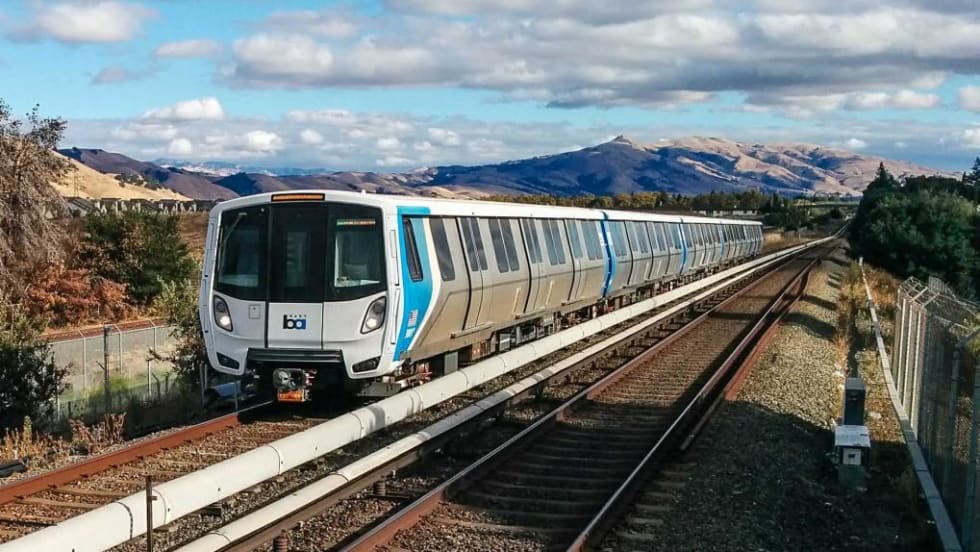
Powering trains with solar panels and giving free transit passes to kids were some ways to improve transportation and mobility put together by Curbed. Photo: Denver RTD
1 min to read
Powering trains with solar panels and giving free transit passes to kids were some ways to improve transportation and mobility put together by Curbed. Photo: Denver RTD
Powering trains with solar panels, giving free transit passes to kids, providing bike parking, and becoming a member of a transportation management program, are some of the 101 ways to improve transportation in cities put together by Curbed for its inauguaral Transportation Week.
The website looked to cities around the world for inspiration and sought feedback from urban thinkers.
Ad Loading...
Touted as "small things that can make a big impact," the list is divided up into actionable categories including, What You Can Do; What Businesses Can Do; What Your Neighborhood Can Do; What Your City Can Do; and What Your Government Can Do.
From signing up for an autonomous vehicle program (No. 1) to looking to the future, which focuses on the development of Hyperloop systems (No. 101), the list compiles cool ideas for improving transportation and mobility.
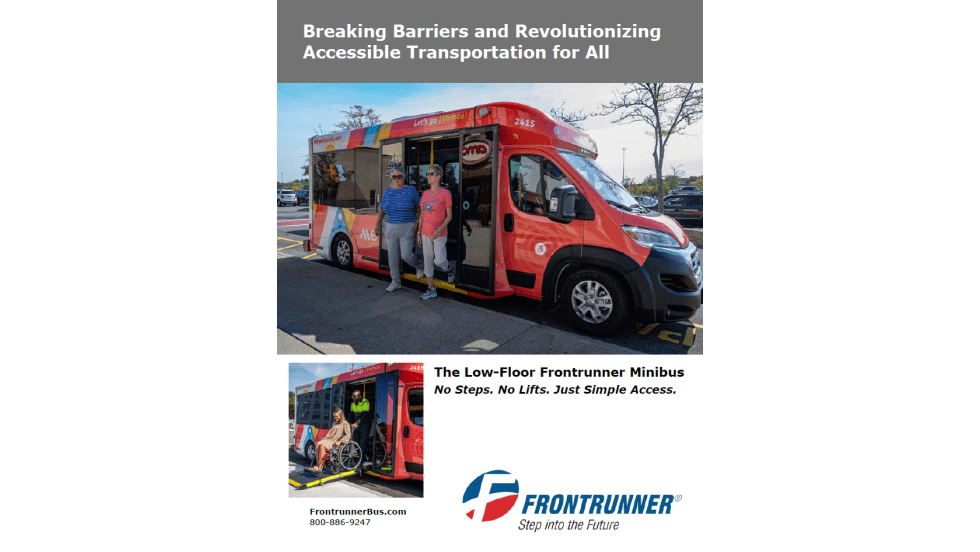
Accessible transit isn’t a feature—it’s a responsibility. This whitepaper explores how the Low-Floor Frontrunner is redefining mobility with a breakthrough design that removes barriers, empowers riders, and delivers measurable operational advantages for agencies. Discover why this next generation minibus is setting a new standard for inclusive transportation.
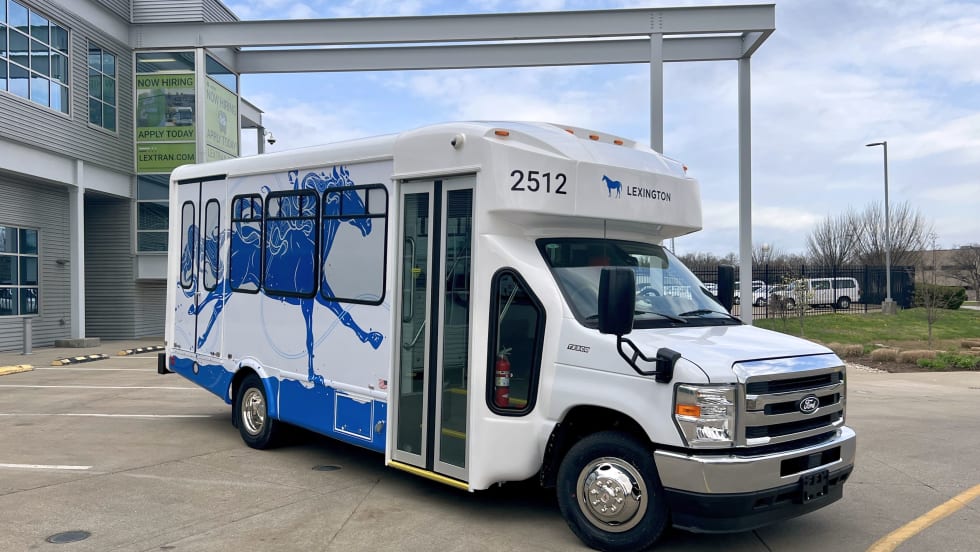
LexRide connects key destinations, including Downtown Lexington, the Distillery District, and the Warehouse Block/National Avenue area, making it easier to explore without worrying about parking, traffic, or multiple rideshare trips.
Sustainability Partners’ Arnold Albiar discusses how a service-based approach is helping airports and public agencies deploy and manage electric fleets more efficiently.
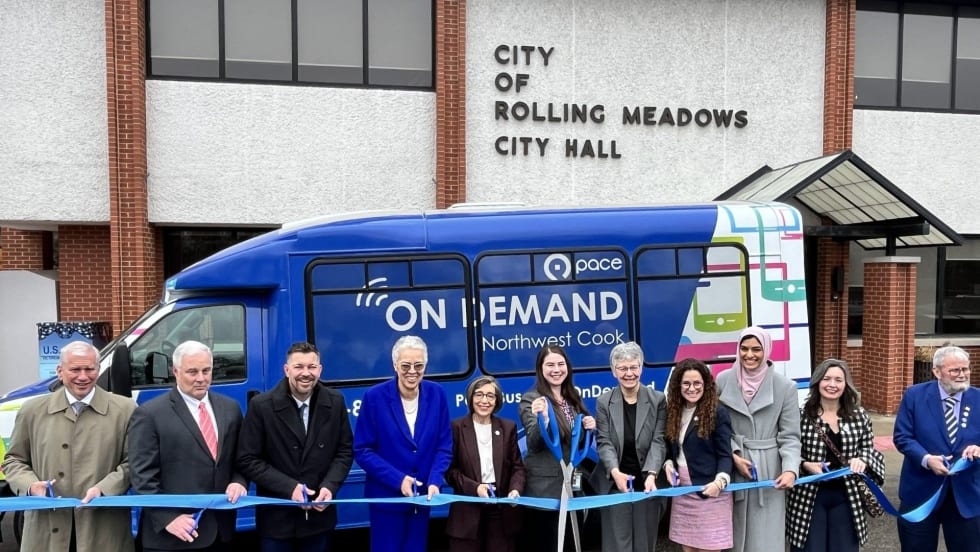
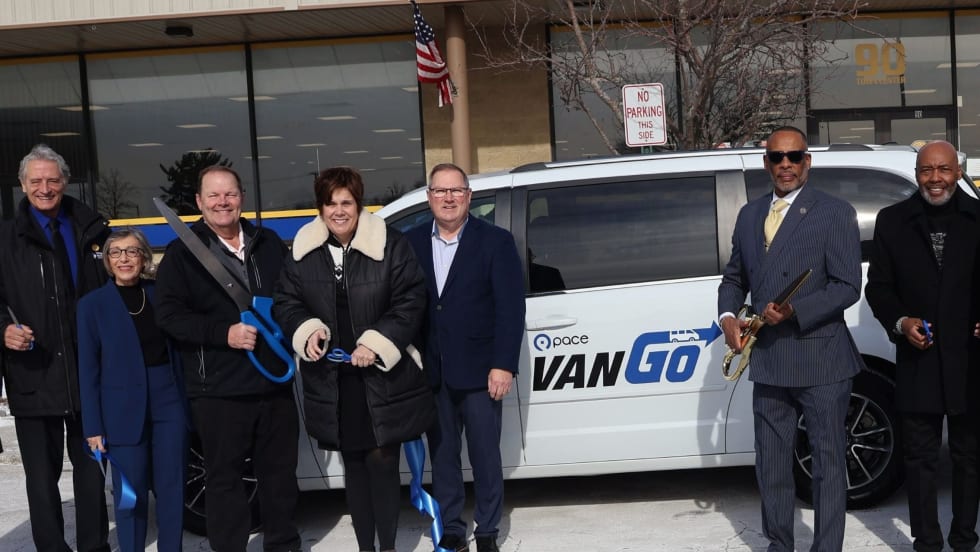
The expanded service builds on Pace’s growing On Demand network and is intended to improve access to destinations such as medical appointments, schools, shopping, employment centers and connections to the regional transit system.
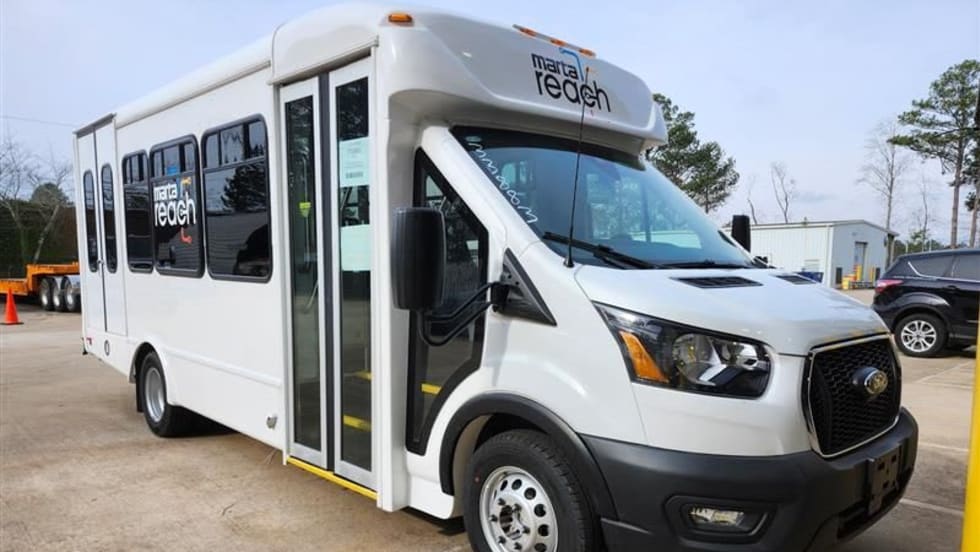
An important part of the authority’s NextGen Bus Network, MARTA Reach will bring transit service directly to the rider’s location and offer a seamless link to the broader rail and bus system.
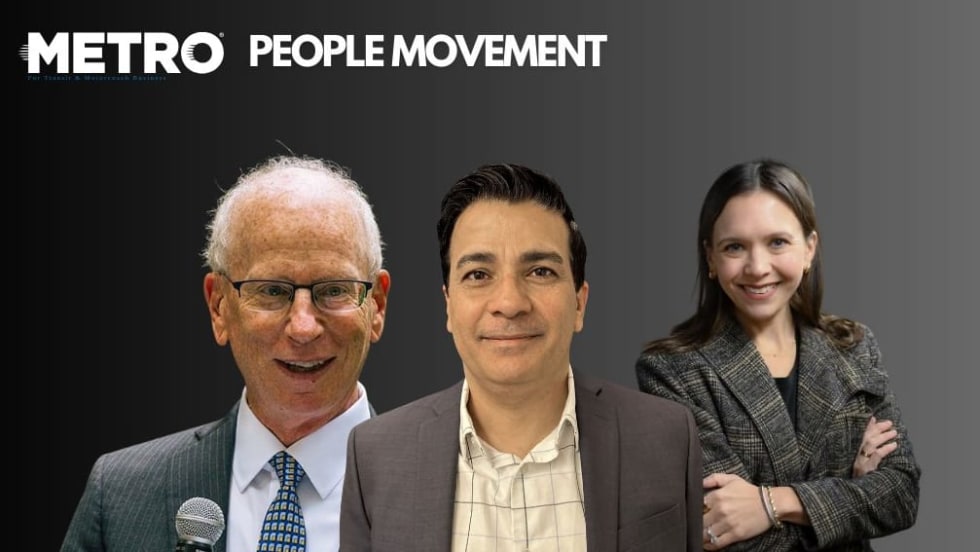
In this edition, we cover recent appointments and announcements at HDR, NCTD, STV, and more, showcasing the individuals helping to shape the future of transportation.
The service is a flexible, reservation-based transit service designed to close the first- and last-mile gaps and connect riders to employment for just $5 per day.