



N.Y. MTA to pilot electric bus program in December 2017
Testing is intended to provide the agency and electric bus manufacturers with actionable data on what works best in New York’s metropolitan environment.

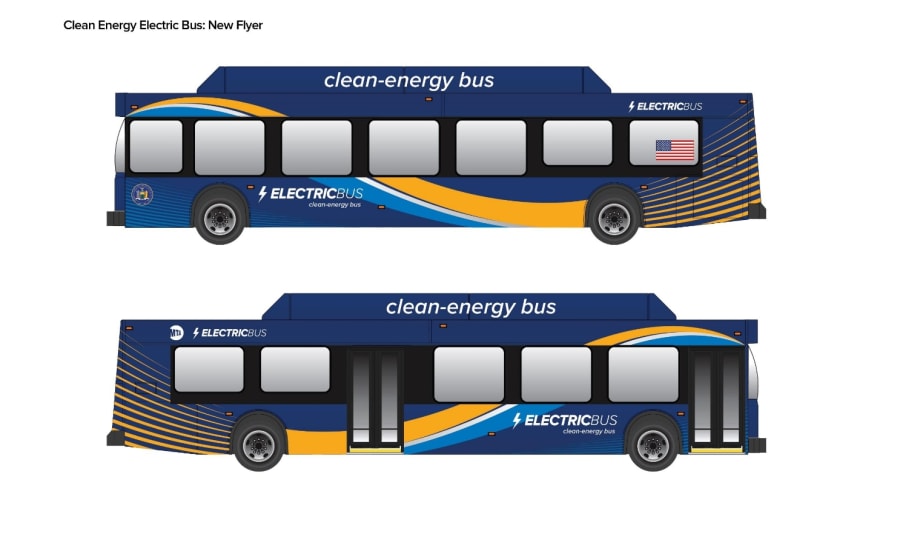
Rendering of New Flyer electric bus

The New York MTA is beginning an electric bus pilot program that will launch with a total of 10 buses in December 2017. As part of the new pilot, the MTA has secured board approval to lease the first five electric buses. A lease for an additional five buses will be presented to the MTA Board later this year.
The pilot program will test the performance of these electric buses in New York City and evaluate the results to determine future orders of all-electric buses.
The pilot program is intended to provide the MTA and manufacturers of electric buses with actionable data on what works best in New York’s metropolitan environment. The MTA will use the results from the pilot to refine and develop bus specifications for future electric bus procurements to ensure buses are fully able to meet the rigors of operating in New York City. As a result, the initial lease and evaluation of buses does not eliminate any other builders from future competitive procurements.
Selecting Manufacturers & Leasing Electric Buses
After a study of best practices from systems across the U.S. and around the world, the MTA has identified two vendors to manufacture a total of 10 electric buses, which will be leased for test and evaluation over a period of three years in the New York City operating environment. The first of those vendors, Proterra, was selected to provide overnight charging electric buses, which will be operated on routes including the B39 and B32 in Brooklyn.
The lease of an additional five buses from a second vendor, New Flyer, with en-route opportunity charging, will be presented to the board later this year. The New Flyer buses will operate on the M42 bus route in Manhattan. These contracts are subject to MTA Board approval as well as review and approval by the Office of the New York State Comptroller.

Charging Stations
The $4 million, three-year lease for the Proterra buses includes six depot charging stations, which will be installed in the Grand Avenue Depot in Maspeth, Queens, where the buses will be recharged overnight. The first leg of the pilot will also include one "en-route" charging station, which will be located at Williamsburg Bridge Plaza in Brooklyn, and be used to extend the range of the buses by quickly recharging without having to return to the depot. The plaza is the hub for nine routes in Brooklyn. These routes could also be used to evaluate all-electric bus service over the course of the three-year pilot.
Best Practices Review
In preparation for the study the MTA conducted a review of global best practices for electric buses. The process included a review of reports from systems in Europe, Asia, and South America; involvement in industry groups such as the Electric Power Research Institute, the Society of Automotive Engineers, and the American Public Transportation Association; in-person visits and consultations with transportation authorities in London, Chicago, Philadelphia, Los Angeles, and Montreal; and testing and inspections of buses from a variety of suppliers.
Future Electric Bus Procurements
The pilot program is intended to provide the MTA and manufacturers of electric buses with actionable data on what works best in New York’s metropolitan environment. The MTA will use the results from the pilot to refine and develop bus specifications for future electric bus procurements to ensure buses are fully able to meet the rigors of operating in New York City. As a result, the initial lease and evaluation of buses does not eliminate any other builders from future competitive procurements.
More Bus
ENC to Deliver Three Clean Diesel Buses to Canada's York Region Transit
Since 2005, City View and ENC have supplied nearly 90 E-Z Rider II buses to YRT.
Read More →
Frontrunner Bus Group Expands with New Massachusetts Headquarters
The significantly larger facility will provide the infrastructure needed to support the company’s growing workforce, advanced technologies, and expanding product line.
Read More →
Joshua Schank on Transportation Innovation, Risk, and the Future of Mobility
In this edition of METROspectives, Joshua Schank discusses lessons from launching LA Metro’s Office of Extraordinary Innovation, the challenges of advancing new mobility technologies, and much more.
Read More →
Reinventing Fleet Maintenance with Real-time Visibility and AI
Transit leaders need to know what needs fixing, where to look, who is responsible, when work is completed, and what it costs without having to chase information across disconnected systems.
Read More →
SamTrans Sets Priorities for Potential Connect Bay Area Revenue
The board-approved framework allocates future funding to maintaining service, rider improvements, equity initiatives, and infrastructure repairs.
Read More →
When Routine Fails: How Public Transit Must Adapt for the World Cup
The 2026 FIFA World Cup will test transit agencies’ ability to manage unpredictable travel patterns, making real-time data and operational flexibility critical to moving millions of visitors efficiently.
Read More →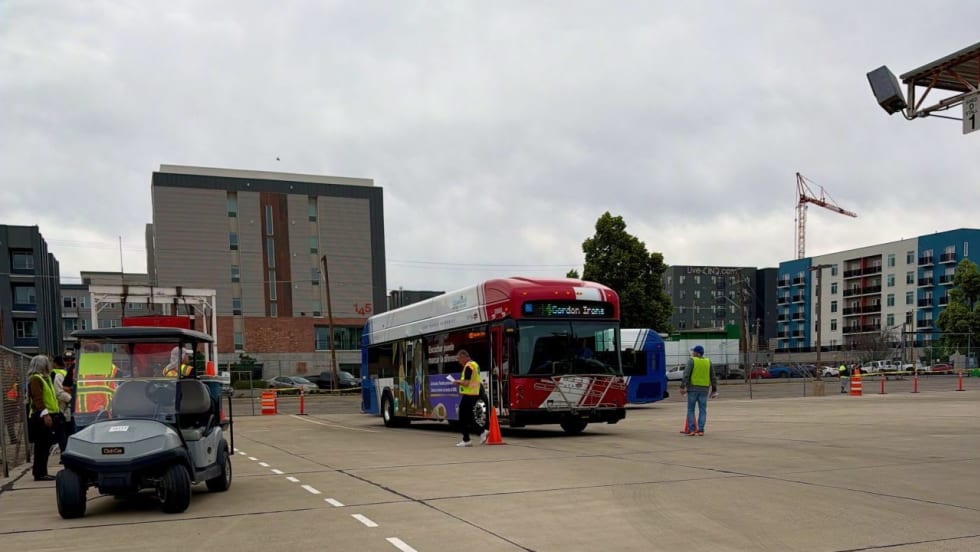
Photo Highlights from APTA's 2026 Mobility Conference
The photo gallery captures scenes from the conference, including the International Bus Roadeo, exhibit hall activities, the Bus Showcase, and much more.
Read More →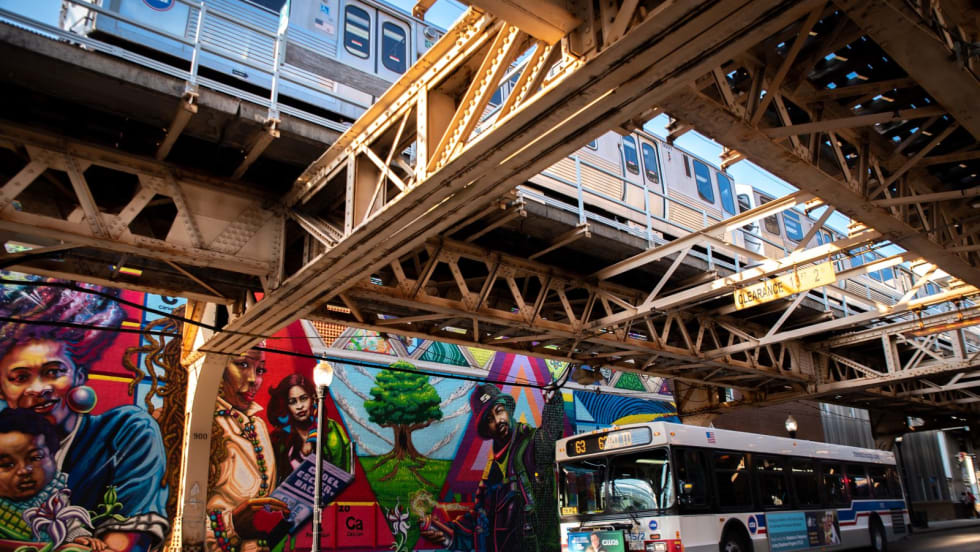
Chicago's NITA Act Moves Into Next Phase as Service Improvements Begin
Rider-focused improvements will begin rolling out across the system immediately as CTA, Metra, and Pace increase service this summer in the six-county region.
Read More →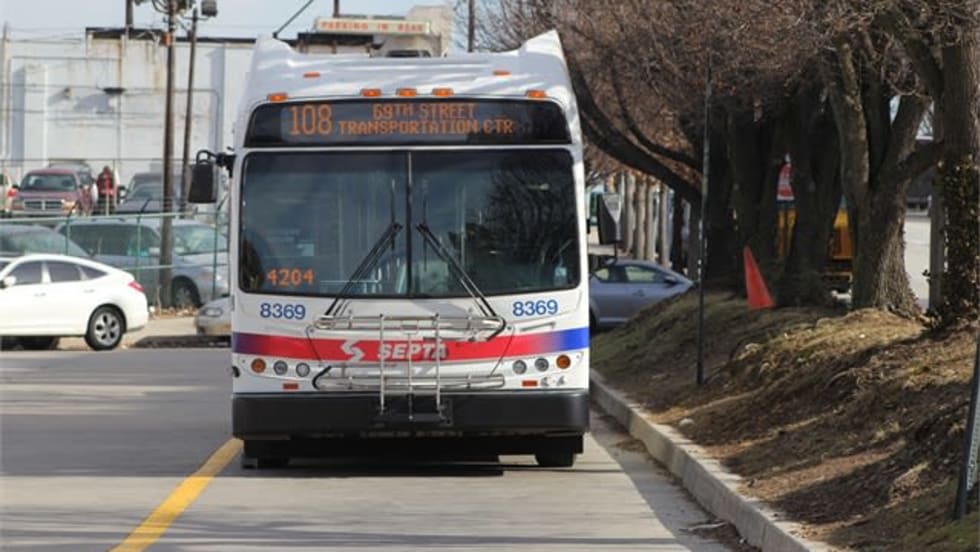
Philadelphia's SEPTA Approves Annual Transit Service Plan
Between 2021 and 2024, SEPTA held more than 200 public meetings — including 144 in-person sessions — throughout the SEPTA service region.
Read More →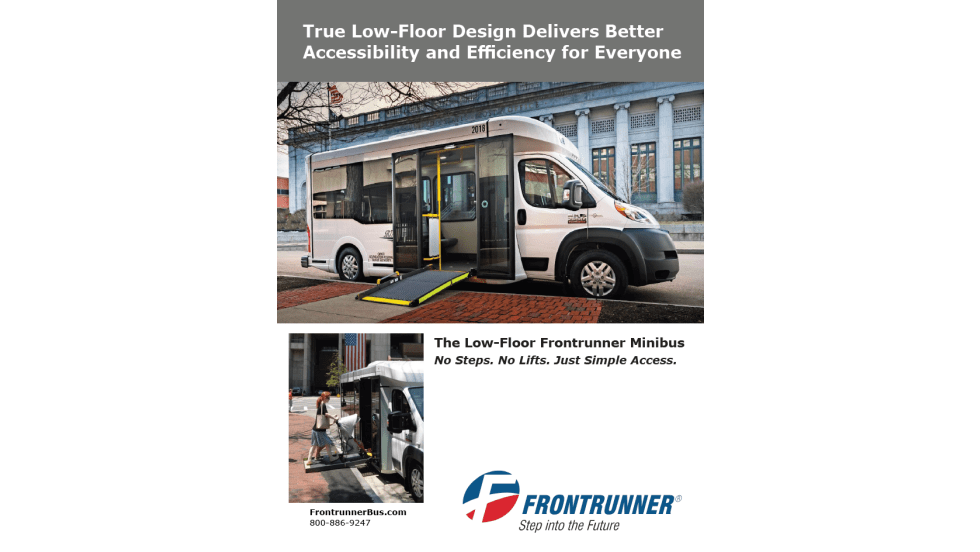
A True Low-Floor Minibus Design Delivers Better Accessibility and Efficiency for Everyone
As transit demands evolve, so should your fleet. Download the whitepaper to see how the Low-Floor Frontrunner Minibus compares to traditional options.
Read More →