Public awareness campaign launched ahead of Baltimore bus revamp
MTA is taking steps to ensure transit riders are fully aware of the upcoming changes by dispatching “transit teams” who will provide riders with the most up-to-date information.
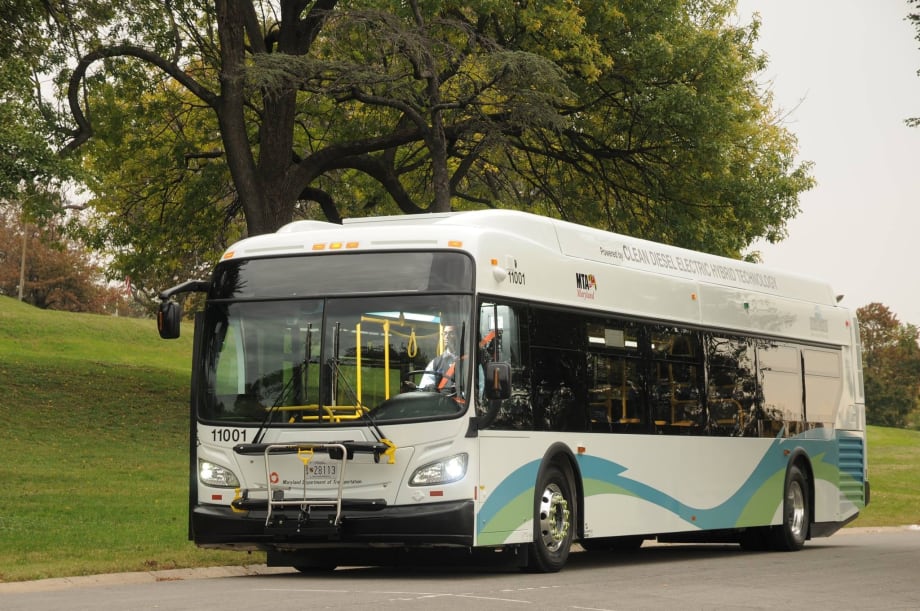
With Gov. Larry Hogan’s $135 million bus system overhaul, dubbed BaltimoreLink, starting service on Sunday, June 18, the Maryland Transit Administration (MTA) is kicking off a public awareness campaign throughout the Baltimore region.
BaltimoreLink is designed to eliminate inefficiency and long waits in the bus system, and reduce a bottleneck of bus routes converging downtown by shortening and consolidating them into 12 shorter, high-frequency lines known as CityLink.
Ad Loading...
MTA is taking steps to ensure transit riders are fully aware of the upcoming changes by dispatching “transit teams” who will provide riders with the most up-to-date information.
“This transformative plan is another great example of our long-term commitment to the future of the Baltimore region by providing an innovative transit network to better connect Marylanders to jobs, education, and health care,” said Gov. Hogan.
“Starting this week, our MTA team will be on board buses and in communities throughout our service area to talk with our customers about BaltimoreLink and answer any questions they may have,” said MTA Administrator/CEO Paul Comfort. “We want to ensure that our riders know what to expect as a result of BaltimoreLink improvements.”
Key features of this round of public education include:
BaltimoreLink Info Bus: MTA will deploy the BaltimoreLink Info Bus on all current MTA routes and pick up riders for free. On board the bus, route experts will talk with passengers about how the new BaltimoreLink system will affect their trip, improve their commute to work, and enable them to reach places they need to go for shopping, community resources, medical services, and many other local amenities.
BaltimoreLink Ambassadors: MTA transit teams will be available at important bus stops, on board select bus routes, and at key transit centers to answer questions and promote awareness of the service changes.
Community Travel Training: MTA will partner with the Center for Mobility Equity to provide comprehensive training for senior riders, persons with disabilities, and students on how to use the new BaltimoreLink system safely and independently.
In Part 1, Blandon shares his journey from the U.S. Marines to a leadership role in public transit, along with insights on mentorship and professional growth within the industry.
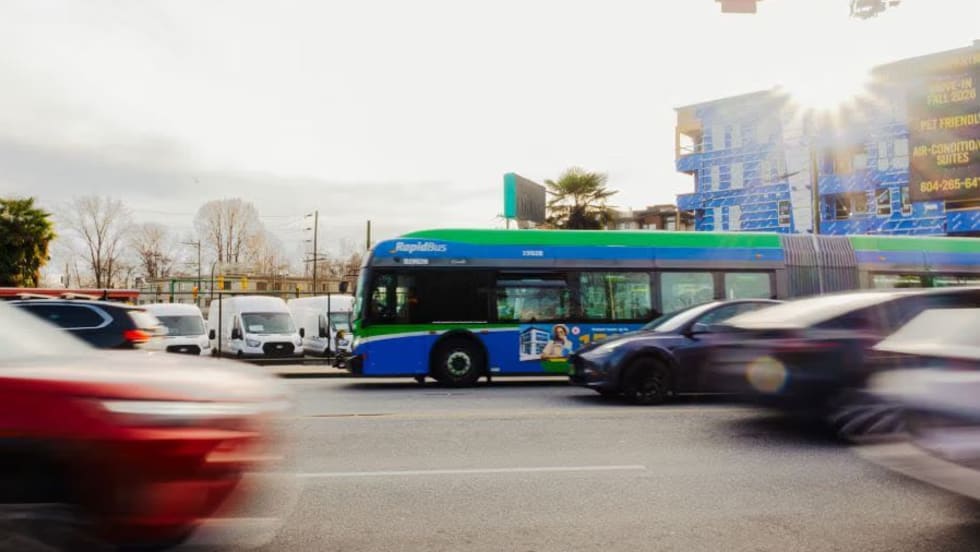
Funded through the 2025 Investment Plan, the new R2 Marine–Willingdon RapidBus is expected to begin service in September, more than three months ahead of schedule.
Complete Parts features new branding with a new logo, a new contact telephone number, a dedicated order desk, enhanced processes and inventory, all designed to provide the parts bus operations need.
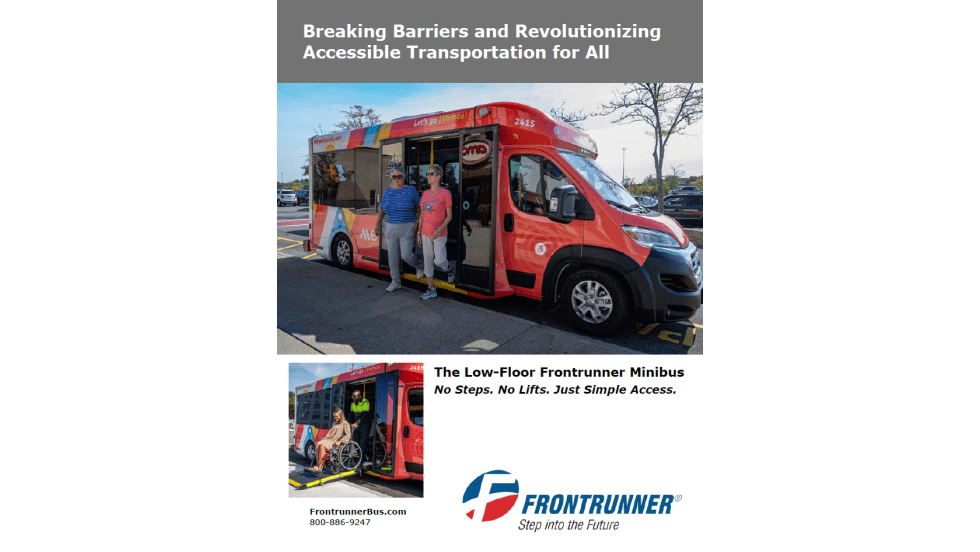
Accessible transit isn’t a feature—it’s a responsibility. This whitepaper explores how the Low-Floor Frontrunner is redefining mobility with a breakthrough design that removes barriers, empowers riders, and delivers measurable operational advantages for agencies. Discover why this next generation minibus is setting a new standard for inclusive transportation.
SEPTA was awarded $43 million in competitive grant funding from the FTA's FY25 Low and No Emission and Bus and Bus Facilities grant programs to support this procurement.
In part 1 of a two-part conversation, AC Transit’s director of maintenance joins co-hosts Alex Roman and Mark Hollenbeck to discuss his journey from the U.S. Marines to public transit and the role mentorship plays in developing the next generation of industry leaders.
When construction is complete, battery-electric buses will operate from the Arborway facility on Day One, providing cleaner, quieter, and more reliable service for riders, the MBTA said. After completion, the old facility will be demolished, and the land will be made available for redevelopment.
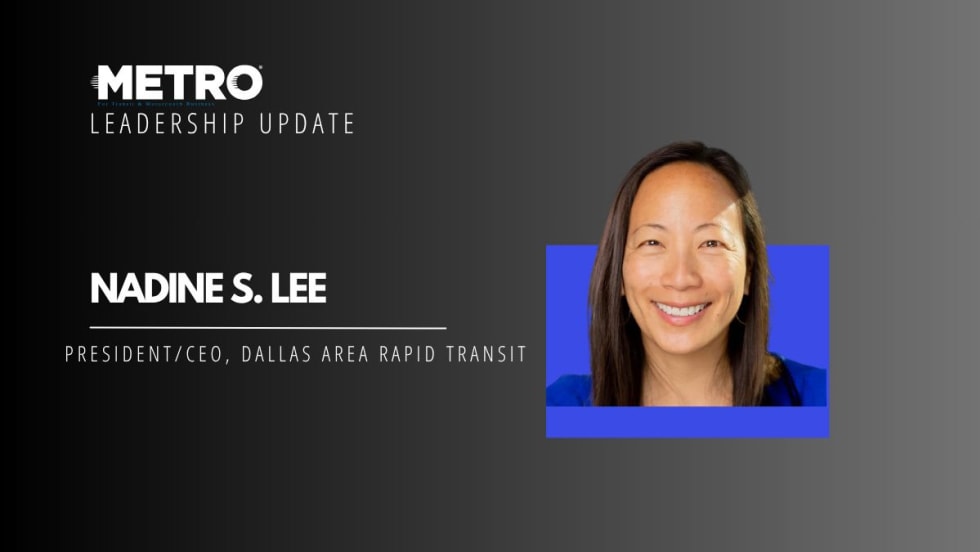
Nadine S. Lee, who has served as president/CEO since July 2021, said the decision comes after careful reflection on the agency’s progress and its path forward.
In this conversation, TBC’s Executive Director Ed Redfern, President Corey Aldridge, and Washington Representative Joel Rubin outline the coalition’s key policy priorities, the challenges facing transit agencies, and how industry stakeholders can work together to strengthen the voice of bus transit at the federal level.