Alstom consortium to upgrade signaling system for Italian line
The project, which will take two-and-a-half years to be completed, will allow the operator to manage the circulation of trains safely and in accordance with the latest regulations governing computerised interlocking systems.
Alstom, as the leader of a consortium, has been commissioned by the Italian railway network (Gruppo FS) to upgrade the Milano Centrale-Milano Smistamento–Monza–Chiasso line. Alstom’s share of this contract is worth approximately $22.8 million.
The company will install Atlas 200 its European Traffic Management System (ERTMS) level 2 solution, including its latest-generation, multi-station, computerized interlocking system, Alstom’s Smartlock 400 GP system on the line. The line forms part of corridor A (Genoa-Rotterdam) of the European network interoperable corridors, and will be the first non-high-speed railway line in Italy to be entirely managed by a level 2 ERTMS system.
“As a result of the project, which includes the installation of a new-generation product, the line’s already high level of safety will be further increased,” declared David Cannafoglia, VP, Alstom TIS South Europe and director, Bologna site. “Furthermore, the ERTMS-2 system, which is being implemented on conventional lines for the first time in Italy, will facilitate the work of train drivers. Traffic management on the whole line will be easier and more efficient for the operational centre.”
The project, which will take two-and-a-half years to be completed, will allow the operator to manage the circulation of trains safely and in accordance with the latest regulations governing computerised interlocking systems. Passengers will not only benefit from the greater safety, but also from the greater punctuality of the trains.
The project will be managed by Alstom’s Italian sites: the center of excellence in Bologna and the R&D centre in Bari, which will collaborate with Charleroi site in Belgium.
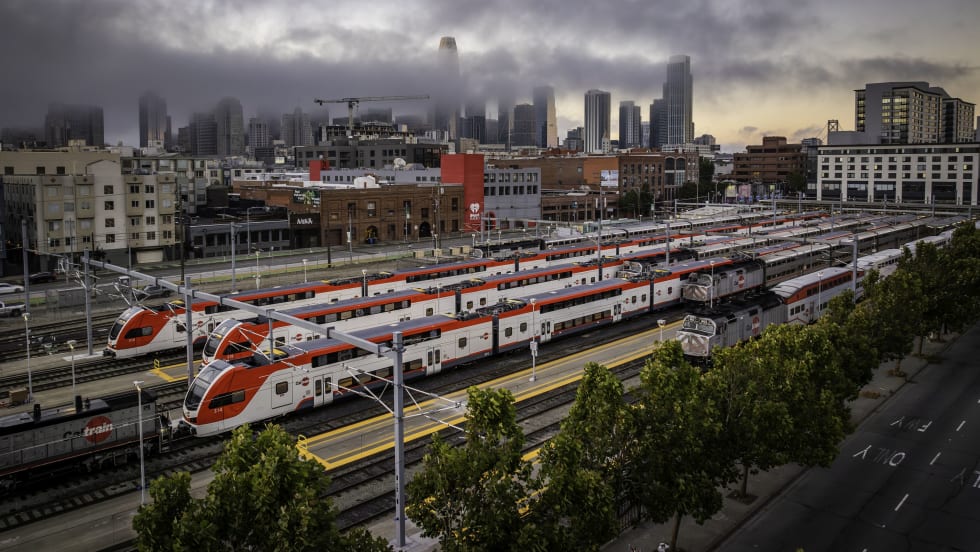
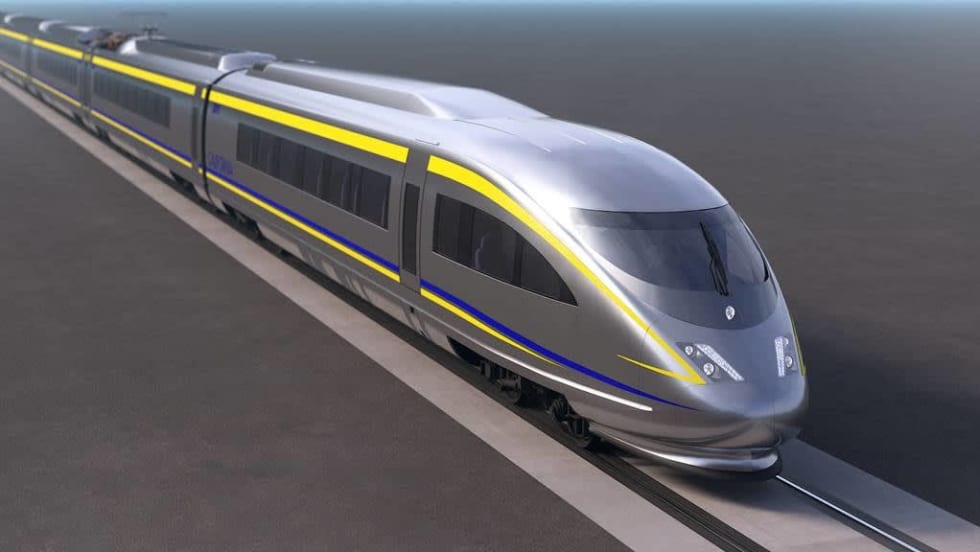
The Peninsula Corridor Joint Powers Board recently met for a budget workshop, during which staff outlined the significant service reductions Caltrain could be forced to make without new external funding.
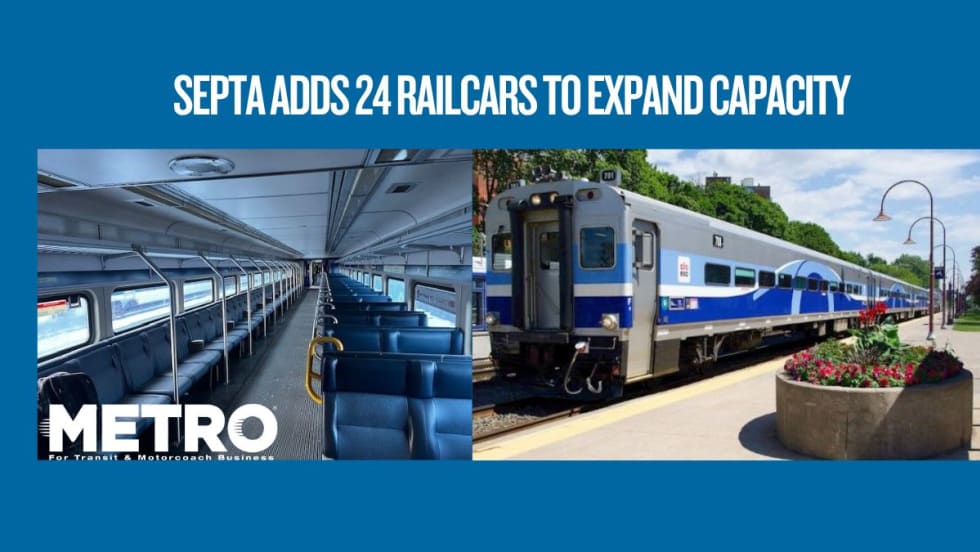
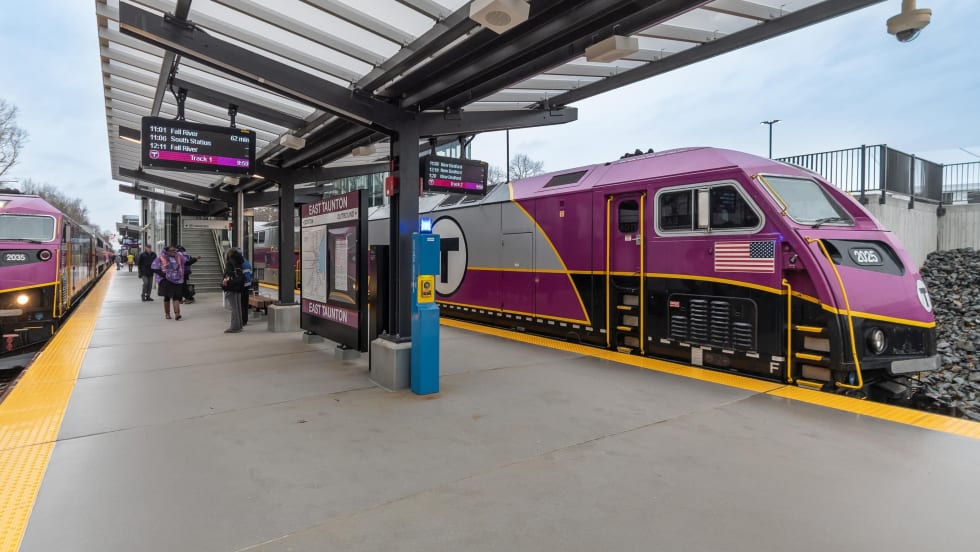
Funding for the purchase of the railcars comes from the nearly $220 million in additional capital dollars Gov. Josh Shapiro allocated in November 2025 to support urgent safety upgrades and infrastructure improvements.
With major events and increased travel expected across the state this summer, the Administration is focused on making sure people have a reliable, affordable alternative to driving so we can reduce congestion, support daily commuters, and keep Massachusetts moving.
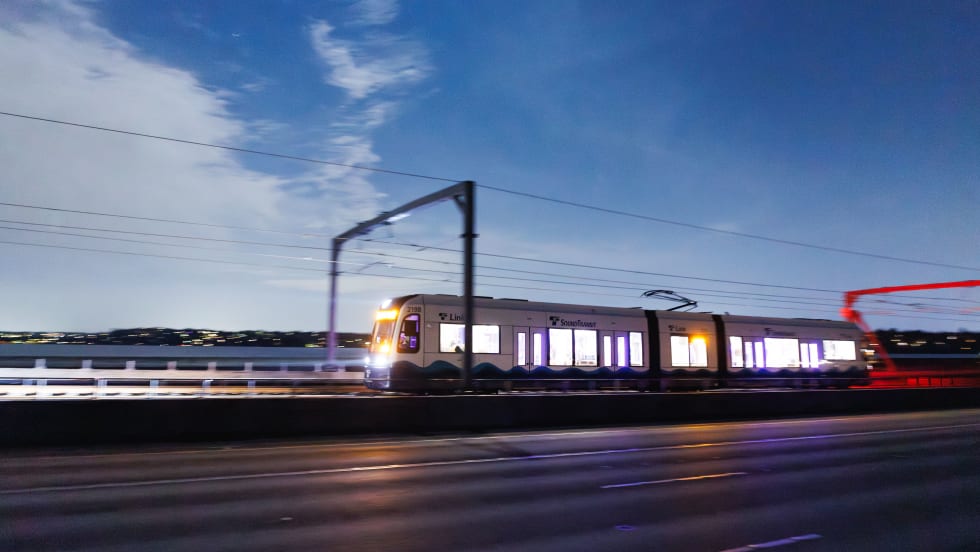
The final seven-mile segment of the 2 Line includes new stations at Mercer Island and Judkins Park and connects to the 1 Line at the International District/Chinatown Station. The Link light rail system now spans 63 miles and includes 50 stations.
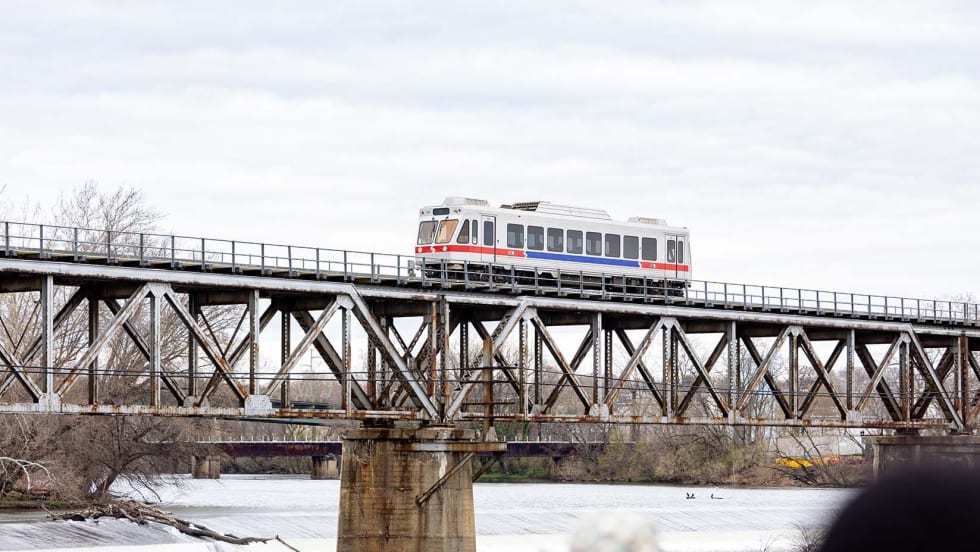
From March 29 through May 9, shuttle buses will replace train service between Bridgeport Station and Norristown Transit Center. Train service will operate as normal between Bridgeport Station and 69th Street Transit Center.
Nadine S. Lee, who has served as president/CEO since July 2021, said the decision comes after careful reflection on the agency’s progress and its path forward.
In this edition of Biz Briefs, we highlight the latest developments shaping the future of mobility — from manufacturers and technology providers to transit agencies and motorcoach service operators.