



Denver RTD launches 'Dumb Ways to Die' safety campaign
A key component of the campaign is the Dumbs Ways to Die three-minute animated music video featuring 21 cartoon characters who deliver important safety messages in an unusual manner.

Denver RTD

Denver's Regional Transportation District (RTD) launched a new safety campaign on Jan. 21. A key component of the campaign is the Dumbs Ways to Die three-minute animated music video featuring 21 cartoon characters who deliver important safety messages in an unusual manner.
RTD is partnering with Metro Trains Melbourne in Australia, where the Dumb Ways to Die video has already proven to be a success, resulting in more than 75 million pledges worldwide from people committed to being safe around trains. Additionally, the Dumb Ways to Die video currently has nearly 119 million views on YouTube.
In the video, animated characters are shown making dangerous choices, like petting a rattlesnake, with tragic results, including the final characters exhibiting unsafe behaviors around trains.

In 2012, Melbourne, Australia’s Metro Trains launched Dumb Ways to Die, a creative safety awareness campaign. The campaign pairs cute colorful cartoons with humorous and ridiculous death scenarios — ultimately highlighting acts of stupidity around trains. The end goal is to use humor to have a serious conversation about safety. The campaign brought global attention to the topic of train safety through song, video, and game.
Now for the first time in the U.S., RTD is bringing the "Dumb Ways" campaign to its customers to educate, entertain, and create conversation about public safety around buses and trains.

During their campaign, Metro received 75 million pledges worldwide from people committed to being safe around trains.
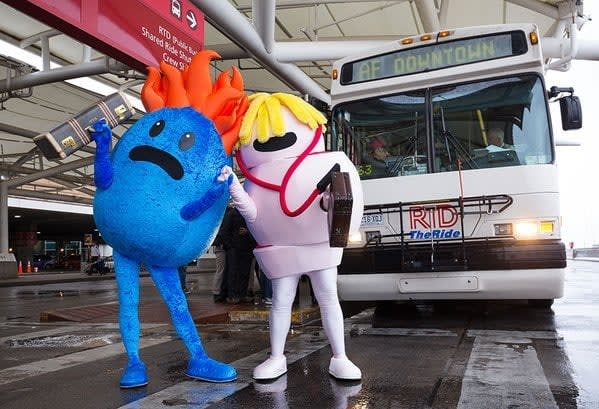
As a part of the launch, Union Station was covered in graphics of the characters and costumed mascots from Australia made an appearance, while RTD staff were on hand encouraging people to sign a safety pledge and handing out safety information and giveaways.
For more information about the campaign, visit http://www.rtd-denver.com/safety.shtml.
More Security and Safety
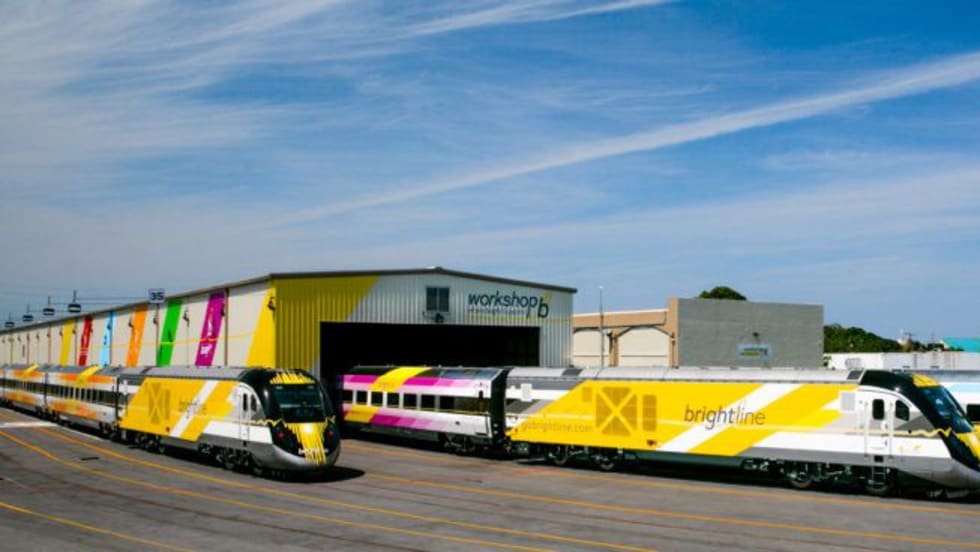
DOT: Brightline Corridor Incidents Fall 30% Following Federal Safety Upgrades
Safety improvements funded through a $25 million federal investment are credited with reducing trespassing and train-vehicle collisions along the Brightline Florida corridor.
Read More →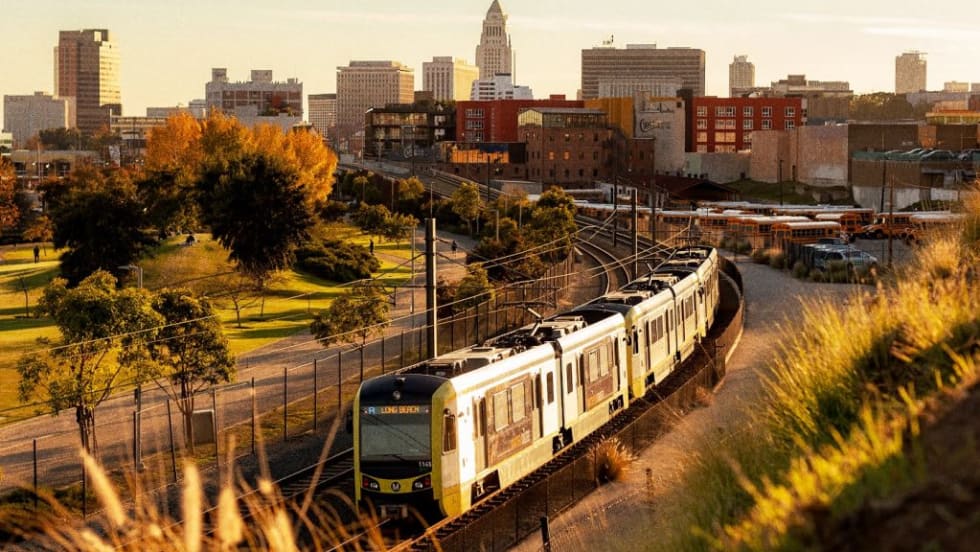
LA Metro Sworn Officer Recruitment Draws 950 Applications on First Day
The California agency moves safety into its next phase, recruiting officers to help shape a transit-focused, community-centered force.
Read More →
FTA Plans Family-Friendly Transit Scorecard for Agencies Nationwide
The family-friendly transit dashboard is part of a broader effort by the FTA and U.S. Department of Transportation to increase transparency, accountability, and service quality across the nation's public transportation systems, said officials.
Read More →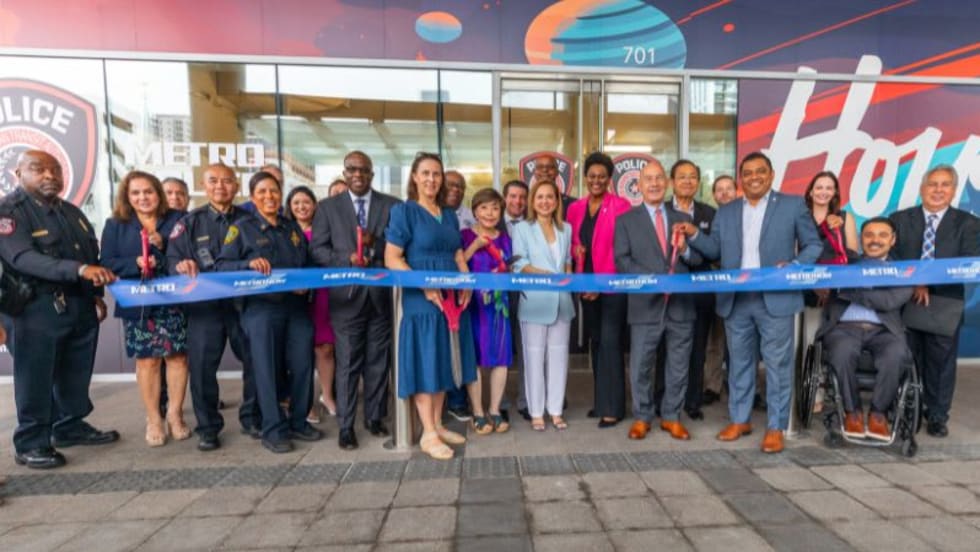
New Public Safety Hub Opens in Downtown Houston
The substation strengthens METRO Police presence in an area where transit activity, pedestrian movement, and visitor flow converge.
Read More →
SamTrans Sets Priorities for Potential Connect Bay Area Revenue
The board-approved framework allocates future funding to maintaining service, rider improvements, equity initiatives, and infrastructure repairs.
Read More →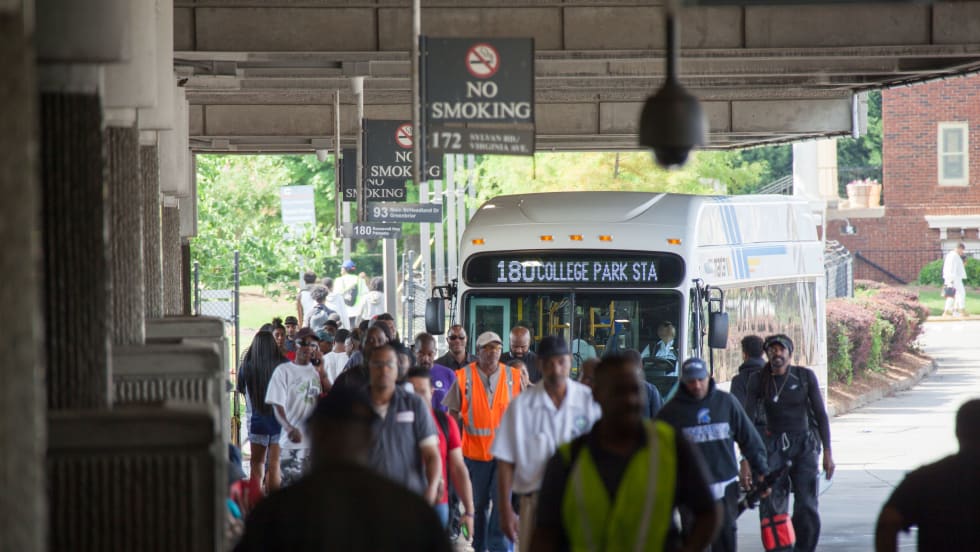
Federal Transit Officials Launch MARTA Safety Probe
FTA has given MARTA 15 days to provide records on crime prevention, fare evasion enforcement, and security funding as part of a broader safety investigation.
Read More →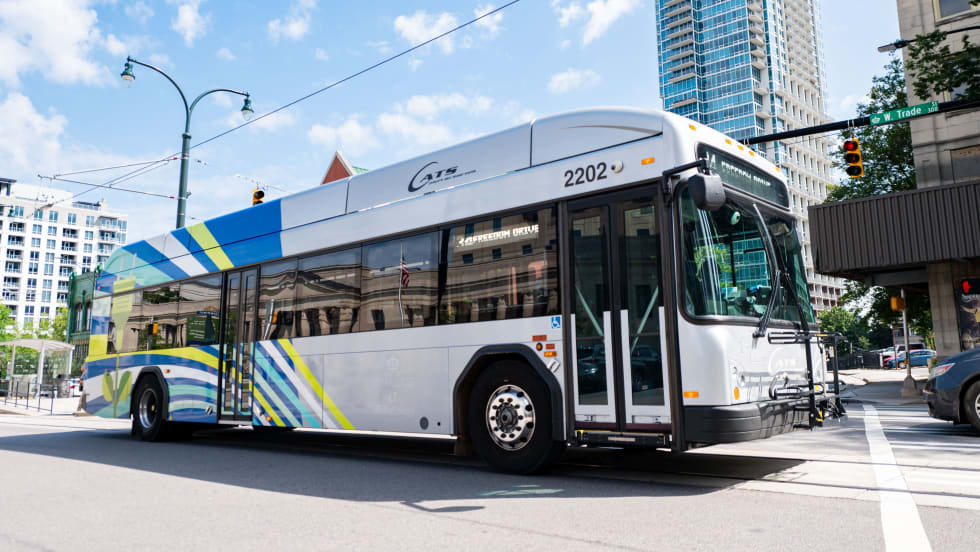
Strategic Safety Measures at CATS Lead to Drop in Transit Crime
Under the leadership of the CATS Chief Safety and Security Officer, the organization has marked a pivotal transformation.
Read More →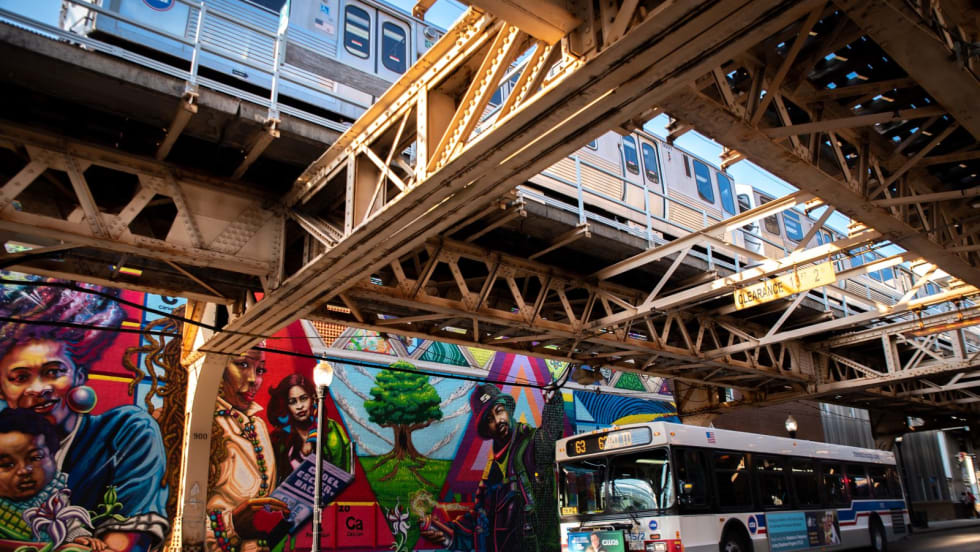
Chicago's NITA Act Moves Into Next Phase as Service Improvements Begin
Rider-focused improvements will begin rolling out across the system immediately as CTA, Metra, and Pace increase service this summer in the six-county region.
Read More →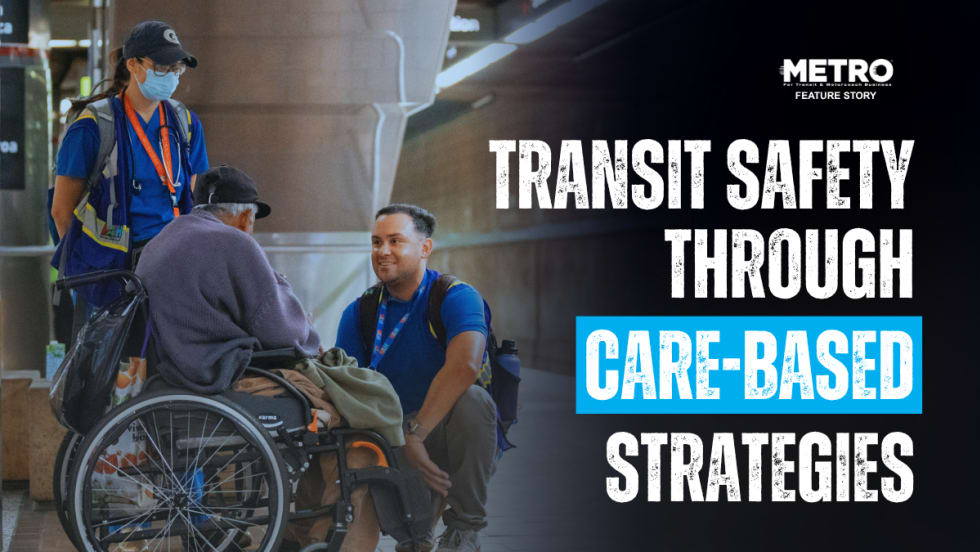
How Transit Agencies Are Evolving Enforcement-Only Models With Care-Based Safety Strategies
Transit agencies are redefining safety with care-based response models. See how leaders are improving trust and operations.
Read More →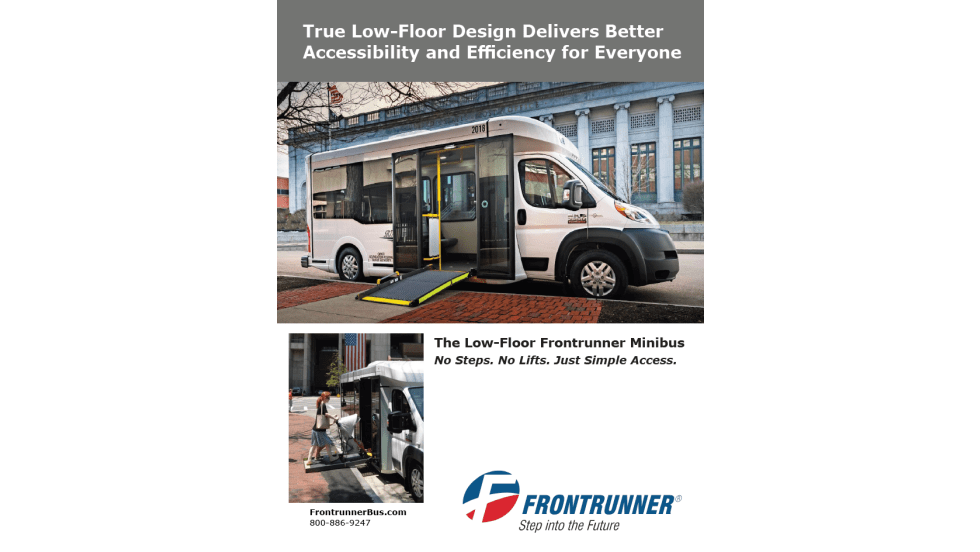
Low-Floor vs. High-Floor Cutaway vs. Modified Van: How 3 Accessible Minibus Designs Compare
As transit demands evolve, so should your fleet. Download the whitepaper to see how the Low-Floor Frontrunner Minibus compares to traditional options.
Read More →