



Report assesses StarMetro's radial-to-grid system move
The research seeks to understand the effects of they agency's service restructuring on the transit agency and its performance as well as its impact on the community.

Researchers at the Mineta Transportation Institute (MTI) just completed an analysis of the issues and preliminary outcomes surrounding Tallahassee, Fla.-based StarMetro’s decision to restructure its bus network from a radial system to a grid system. The report could be useful for transit agencies or others contemplating a similar move.
“Analyzing the Effects of Transit Network Change in a Decentralized, Small-to-Mid-Sized U.S. Metropolitan Area on Agency Performance and Riders: A Case Study of Tallahassee, Florida” is available for free download.
The research, led by Principal Investigator Dr. Jeffrey Brown, seeks to understand the effects of the service restructuring on the transit agency and its performance; the effects of the service restructuring on transit riders and the larger community; and the roles, influence, and attitudes of important local stakeholders who engaged in the restructuring debate and shaped the restructuring itself.
“StarMetro changed its bus network in July 2011 from a radial to a grid system because local officials and agency leaders believed would better serve the dispersed local pattern of population and employment,” said Dr. Brown. “This major service change occurred literally overnight, but it followed several years of public discussion and debate about the future of public transit in the community. The change has been embraced by some people and opposed by others, which is expected given the dramatic and unprecedented system adjustments.”
Although the changes are still new, noted Dr. Brown, the research report’s short-term, or preliminary, results still offer important lessons to transit agencies, local officials, and transportation researchers regarding the consequences of major transit service changes for agencies and the community.
For example, overall ridership and productivity are lower than before the restructuring due to the short timeframe for rider adjustments and longer-than-anticipated headway. However, new ridership has appeared in previously unserved or underserved corridors and neighborhoods.
The restructuring also resulted in longer walks to bus stops because stops were removed from many neighborhoods and relocated to major roads. Overall, transit travel times are shorter due to more direct routing. No particular neighborhoods or community groups disproportionately benefited from or were harmed by the change.
A key takeaway from the study is that restructuring from a radial to a decentralized transit system can increase accessibility, if done right, but such a change requires careful attention to community concerns about route changes, stop locations, headways, access and safety.
In addition, a longer time horizon is needed to see the results of a major service restructuring such as this. The net result is a modest decline in ridership and in productivity to date. Nevertheless, most local observers feel that the changes represent a clear step forward for transit’s future in the community.
More Bus

Joshua Schank on Transportation Innovation, Risk, and the Future of Mobility
In this edition of METROspectives, Joshua Schank discusses lessons from launching LA Metro’s Office of Extraordinary Innovation, the challenges of advancing new mobility technologies, and much more.
Read More →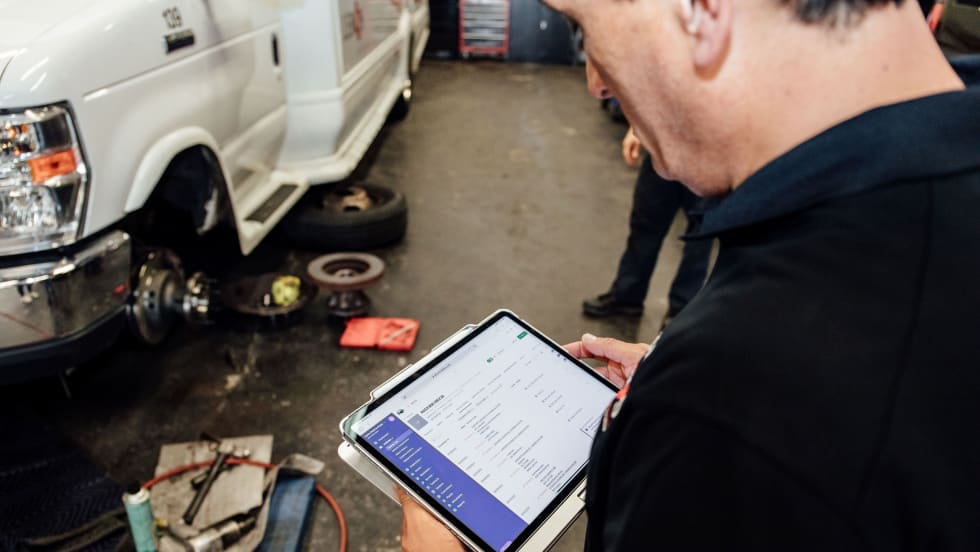
Reinventing Fleet Maintenance with Real-time Visibility and AI
Transit leaders need to know what needs fixing, where to look, who is responsible, when work is completed, and what it costs without having to chase information across disconnected systems.
Read More →
SamTrans Sets Priorities for Potential Connect Bay Area Revenue
The board-approved framework allocates future funding to maintaining service, rider improvements, equity initiatives, and infrastructure repairs.
Read More →
When Routine Fails: How Public Transit Must Adapt for the World Cup
The 2026 FIFA World Cup will test transit agencies’ ability to manage unpredictable travel patterns, making real-time data and operational flexibility critical to moving millions of visitors efficiently.
Read More →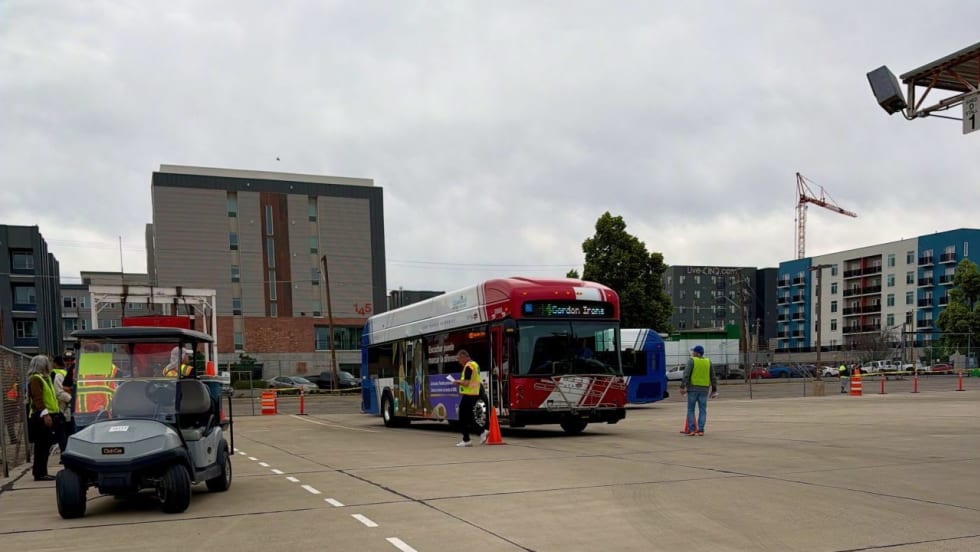
Photo Highlights from APTA's 2026 Mobility Conference
The photo gallery captures scenes from the conference, including the International Bus Roadeo, exhibit hall activities, the Bus Showcase, and much more.
Read More →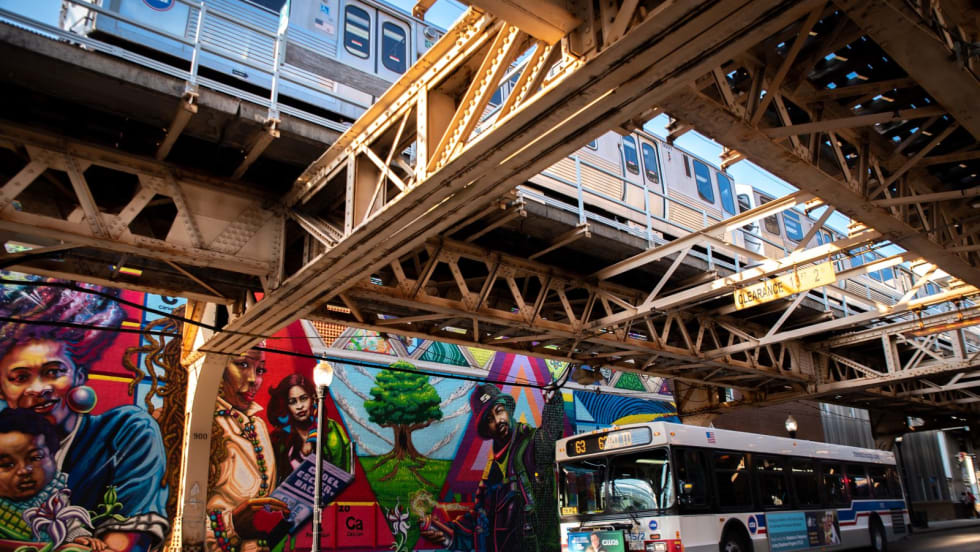
Chicago's NITA Act Moves Into Next Phase as Service Improvements Begin
Rider-focused improvements will begin rolling out across the system immediately as CTA, Metra, and Pace increase service this summer in the six-county region.
Read More →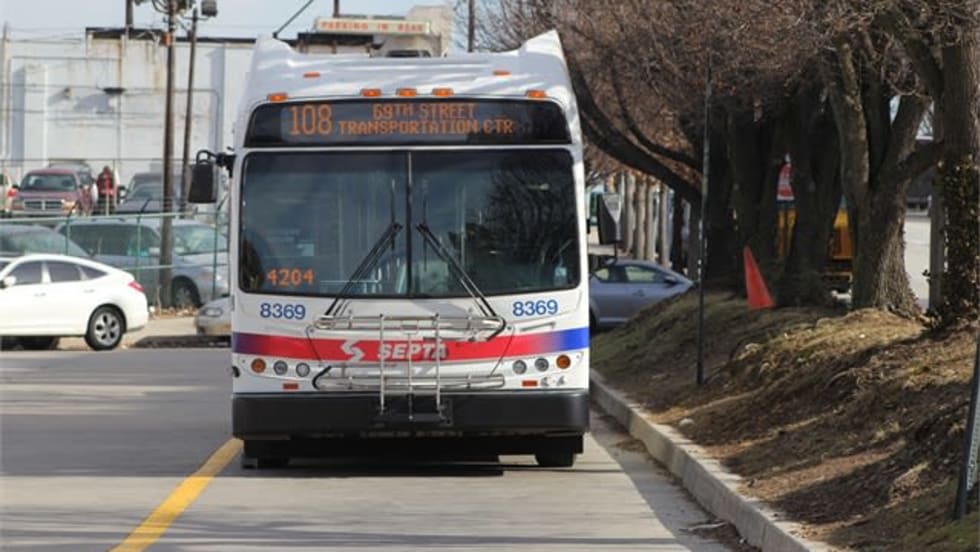
Philadelphia's SEPTA Approves Annual Transit Service Plan
Between 2021 and 2024, SEPTA held more than 200 public meetings — including 144 in-person sessions — throughout the SEPTA service region.
Read More →
A True Low-Floor Minibus Design Delivers Better Accessibility and Efficiency for Everyone
As transit demands evolve, so should your fleet. Download the whitepaper to see how the Low-Floor Frontrunner Minibus compares to traditional options.
Read More →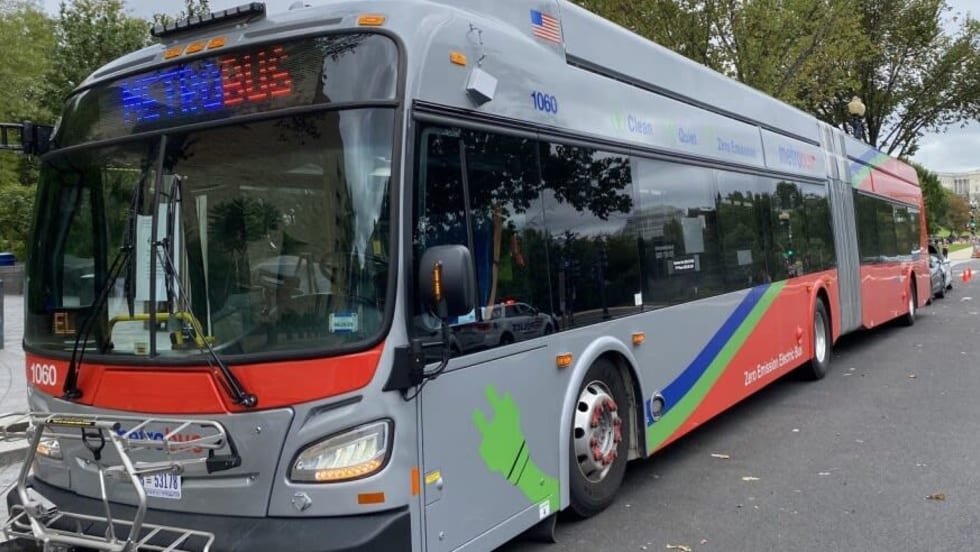
WMATA Debuts 'Fares Pay for Service' Awareness Campaign
The campaign was highlighted during a media event at the Paul S. Sarbanes Transit Center in Silver Spring, where WMATA’s GM/CEO Randy Clarke joined Metro Transit Police officers, WMATA management team, board members, and staff to expand fare enforcement and customer education efforts on Metro Bus routes throughout the region.
Read More →
Biz Briefs: Foothill Gold Line Award, Matawan Contract, and More
From strategic partnerships to acquisitions and service expansions, the industry continues to evolve at a rapid pace. Find out all the latest here.
Read More →