



DART to debut first of 300 interactive digital kiosks
Are also equipped with high-resolution cameras, increasing the video-monitoring presence for the DART Police Department.

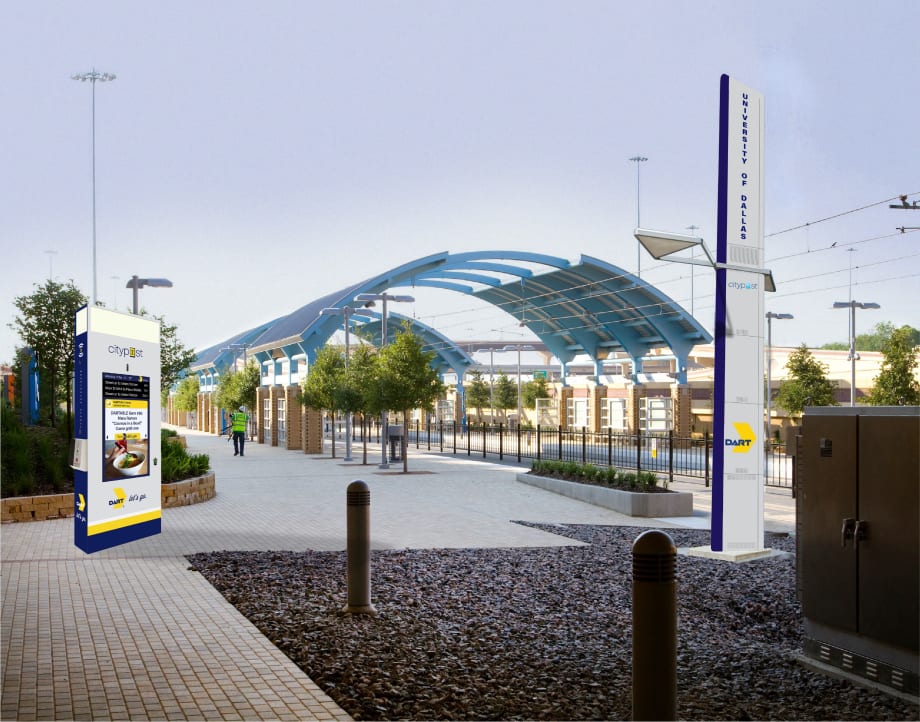
In addition to technological advancements, the interactive digital kiosks provide DART riders with new opportunities to engage with community partners, local merchants and local events.
DART
In addition to technological advancements, the interactive digital kiosks provide DART riders with new opportunities to engage with community partners, local merchants and local events.
DART
In its continued commitment to developing innovative technologies and services that empower customers and move North Texas forward, Dallas Area Rapid Transit (DART) began installing more than 300 interactive digital kiosks across its service network.
In the largest deployment of its kind by a public transit agency, DART will launch the first interactive kiosks at JB Jackson Jr. Transit Center in Dallas beginning this week.
Features of DART’s new interactive kiosks include:
Real-time transit information to enhance the overall travel experience.
Free, fast and reliable Wi-Fi at DART stations coming this summer.
Enhanced safety with additional cameras and fast connections to DART Police.
Easy access to social services.
Translation in nine different languages.
Interactive guides to find things to do, places to go and deals along the way.
Localized and customized deals from area merchants and partners.
In addition to technological advancements, the interactive digital kiosks provide DART riders with new opportunities to engage with community partners, local merchants and local events.
The kiosks are also equipped with high-resolution cameras, increasing the video-monitoring presence for the DART Police Department, and boosting safety measures across the system and the region.
More Technology

The Business Voice Behind Public Transportation
As chair of APTA’s Business Members Board of Governors, Ray Melleady explains how more than 850 business members are partnering with transit agencies to advance funding, innovation, and industry-wide collaboration.
Read More →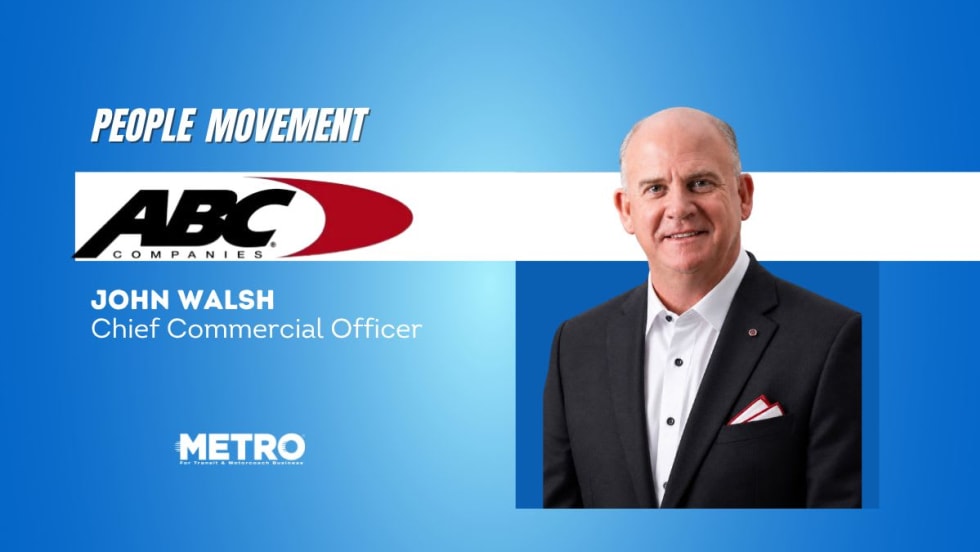
People Movement: ABC Names John Walsh as Chief Commercial Officer
In this edition, METRO also covers recent appointments and announcements at the DART, STV, and more, showcasing the individuals helping to shape the future of transportation.
Read More →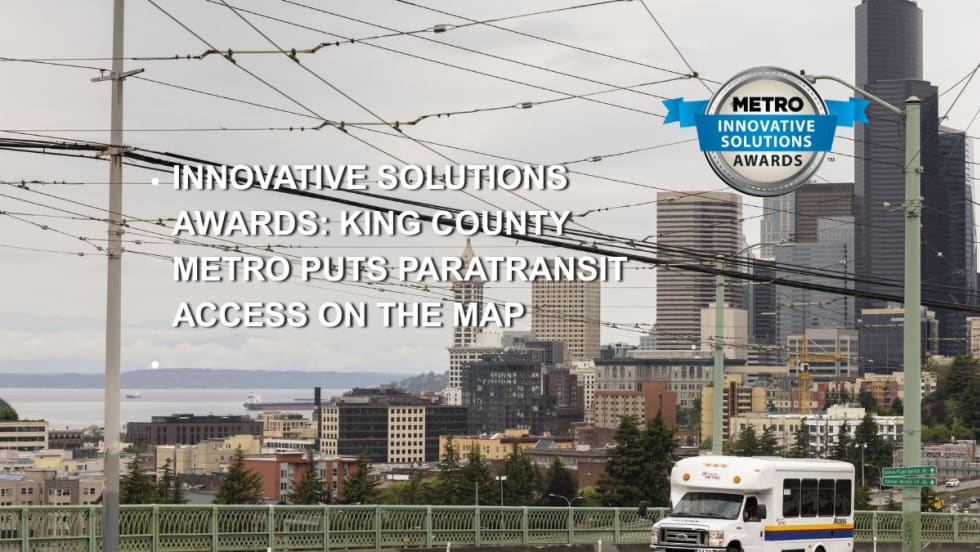
King County Metro Makes ADA Paratransit Easier to Navigate
METRO's Innovative Solutions Award winner replaces complex service-area descriptions with an accessible, interactive map that puts paratransit information directly in customers’ hands.
Read More →
TransDASH Summit Focuses on Measuring What Matters in Transit
Transit agencies unveil a national performance platform designed to benchmark customer experience, safety, community value, and other outcomes.
Read More →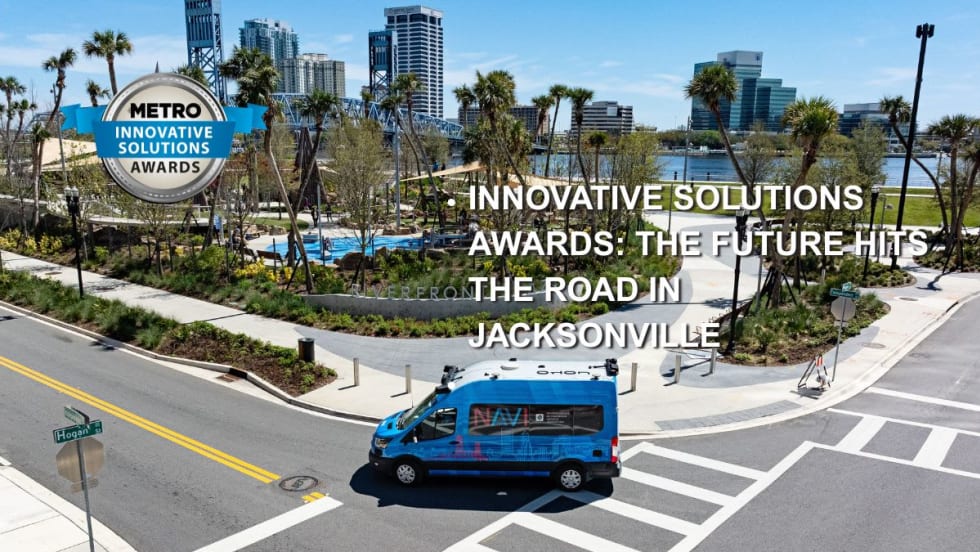
Jacksonville’s NAVI Project Charts a New Course for Autonomous Public Transportation
Through its NAVI program, JTA is showing how autonomous vehicles, intelligent infrastructure, and coordinated operations can work together to deliver everyday public transportation.
Read More →
Biz Briefs: Luminator Marks Milestone and More
From manufacturers and suppliers to transit agencies and motorcoach operators, these updates offer a snapshot of the projects, partnerships and business moves driving the industry forward.
Read More →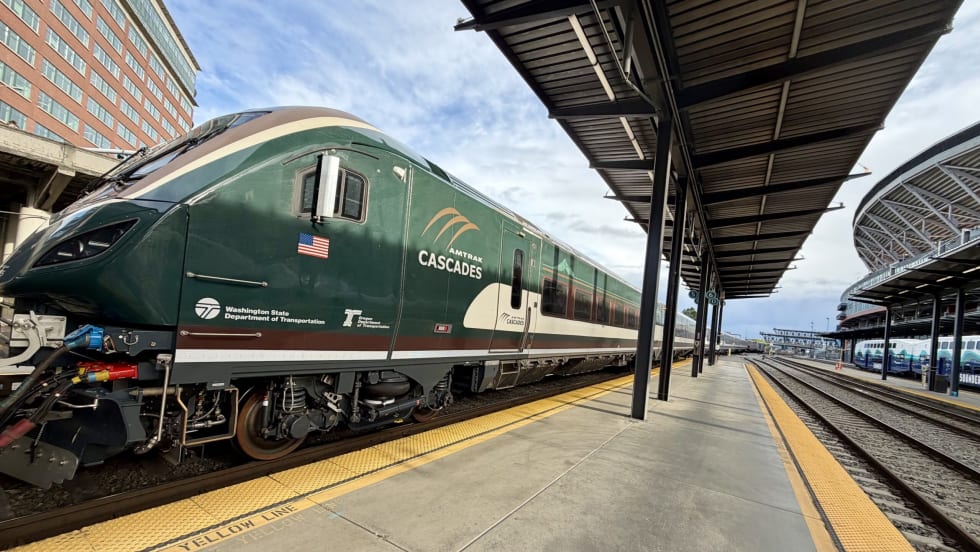
FRA Announces $5.3B in Rail Investments, Including $2B for Amtrak
Funding will support grade-crossing improvements, infrastructure upgrades, and new Amtrak equipment in 23 states.
Read More →
Finding the ‘Happy Medium’: Optimizing Maintenance Without Sacrificing Reliability
The key to maintenance optimization isn’t doing less work—it’s doing the right work at the right time on the right assets.
Read More →
LA Metro, City of West Hollywood, and Partners Advance Smarter Bus Lane Enforcement
The award-winning partnership combines AI-powered detection with human oversight to improve bus reliability, accessibility, and enforcement efficiency.
Read More →
PSTA Modernizes Workforce Management with Digital Bidding System
The award-winning Workforce Transit Modernization project replaced paper bidding with a transparent digital platform, cutting administrative effort while improving access for operators.
Read More →