



CTAA letter urges Congress to include public transit in COVID-19 relief
The rural, small city, specialized, and NEMT operators are experiencing unprecedented challenges in the wake of COVID-19.


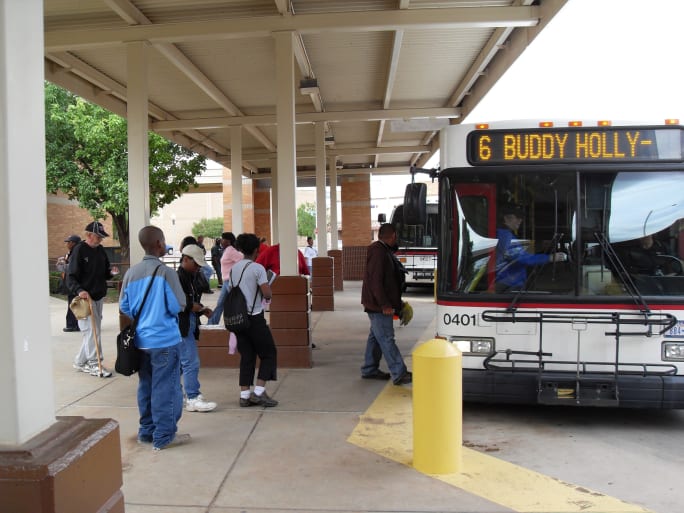
The CTAA wrote the letter on behalf of several transit industries, including rural transit, paratransit, and NEMT providers. McDonald Transit
On Thursday, CTAA Executive Director Scott Bogren wrote a letter to Congress to request funding for various transit providers amidst the COVID-19 pandemic. The letter is below.
I write to you all as senior Congressional Appropriators on behalf of the Community Transportation Association of America’s nearly 1,400 members. As you can well imagine, CTAA’s rural, small city, specialized, and NEMT operators — who collectively serve millions of Americans every day — are experiencing unprecedented challenges in the wake of the COVID-19 pandemic.
As you begin taking up Phase 3 of Coronavirus Relief Legislation, CTAA and its members ask that you consider the following emergency supplemental appropriations as well as a number of critical regulatory clarifications and deadline extensions. These funds and regulatory clarifications will allow CTAA members to (1) recover quickly from massive losses of farebox and contract revenues; (2) afford ongoing cleaning/protection equipment needs and staffing; (3) maintain the economic and physical health of vital front-line employees; and, (4) shift many of their services to life-sustaining dialysis, chemotherapy and other non-emergency medical trips that must continue to occur and adding a significant increase in home-delivered meals, care and prescriptions trips.
For rural and tribal public transit operations funded through Section 5311, we request a $300 million emergency supplemental appropriation to replace lost farebox and contract revenues, lost payroll for vital rural transit front-line employees, and direct cleaning and equipment expenses dealing with the pandemic.
For small-urban transit systems funded through Section 5307 (those providing service in areas of between 50,000 and 200,000 population) we request a $500 million emergency supplemental appropriation to replace lost farebox and contract revenues, lost payroll for vital rural transit frontline employees, and direct cleaning and equipment expenses dealing with the pandemic.
For specialized transit services for older adults and people with disabilities and funded through Section 5310, as well as non-emergency medical transportation services, services for veterans, and other specialized transit operations, we request an emergency supplemental appropriation of approximately $150 million to augment currently appropriated Section 5310 funding in FY 2020, with the specific provision that these supplemental funds be used to cover service contracts and operating assistance, and are not intended for the acquisition of buses, vans, or other rolling stock.
All of these figures are based on data collected from CTAA members as well as discussions with nearly 600 members in a series of Town Hall webinars conducted on March 18, 2020. Our calculations run through the end of the current fiscal year (Sept. 30, 2020).
CTAA is actively collaborating with our partners at the Federal Transit Administration (FTA) to convey a number of temporary regulatory relief and clarifications that many of our members have identified as vital to their response to COVID-19. I am happy to share a full list of these requests. Because so many of our members’ transit programs are state-managed, we also have consulted with our state DOT members in developing this request and in our efforts at regulatory relief.
CTAA members, all across the nation, have long provided cost-effective and efficient community and public transportation to some of the most difficult to serve areas of the country, providing trips for at-risk passenger populations to life-sustaining non-emergency medical appointments. Our rural, tribal, and NEMT members’ transportation services have long allowed older adults and people with disabilities to remain safely in their homes. Our small-urban members provide high volumes of fixed-route transit that dramatically reduces congestion and pollution while increasing mobility in their cities. We will need these systems throughout the current crisis in myriad ways, as well as each to quickly revive full service when the pandemic subsides. Thank you for considering this request in Phase 3 of Coronavirus Response Legislation and I am happy to answer any questions at bogren@ctaa.org or 202.247.1921.
More Bus

New York MTA Plans Largest Bus Fleet Upgrade in More Than a Decade
The agency is seeking manufacturers for 650 new CNG buses to replace aging vehicles, improve reliability, and advance its broader fleet modernization strategy.
Read More →
Building a Flexible Path to Transit Electrification
John Hroncich discusses BAE Systems’ modular and scalable approach, lessons learned from decades of real-world operations, and how agencies can identify electrification strategies that fit their fleets.
Read More →
Bus Tech Talk: Keeping Transit Technicians Ahead of the Technology Curve
LA Metro’s Obed Mejia discusses technician training, evolving maintenance technology, fleet replacement, and strategies for getting the most out of today’s transit fleets.
Read More →
Biz Briefs: RIPTA Unveils New Frontrunners, Clevland RTA Adds New Siemens, and More
In METRO's latest installment, we take a look at recent news from Siemens, Prevost, Dodge, and more partnerships making headlines across the transportation sector.
Read More →
People Movement: Holly Arnold Joins Transdev and More
In this edition, we also cover recent appointments and announcements at Pace, CamTran, MCI, and more, showcasing the individuals helping to shape the future of transportation.
Read More →
The High Cost of Transit Buses: Industry Leaders Look to Procurement Reform
Transit leaders and policymakers examine how standardized bus designs, streamlined procurement, and predictable funding could help agencies stretch budgets and deliver better service.
Read More →
The Business Voice Behind Public Transportation
As chair of APTA’s Business Members Board of Governors, Ray Melleady explains how more than 850 business members are partnering with transit agencies to advance funding, innovation, and industry-wide collaboration.
Read More →
From Surviving to Thriving: Building Stronger Transportation Organizations
Bus Business Consultants founder Brian Dickson shares lessons on leadership, organizational health, and creating options for long-term success in a changing transportation industry.
Read More →
Finding the ‘Happy Medium’: Optimizing Maintenance Without Sacrificing Reliability
The key to maintenance optimization isn’t doing less work—it’s doing the right work at the right time on the right assets.
Read More →
LA Metro, City of West Hollywood, and Partners Advance Smarter Bus Lane Enforcement
The award-winning partnership combines AI-powered detection with human oversight to improve bus reliability, accessibility, and enforcement efficiency.
Read More →