



Passio Introduces Contact Tracing Tool to Combat Pandemic
The new module works with existing passenger identification scanning systems to identify and alert transit operators which passengers may have been exposed to an infected fellow rider.

The program’s reporting system collects rider data from ID scans, letting transit agencies know which other cards were swiped on or off during the same timeframe.
Passio
Passio Technologies announced the addition of their Contact Tracing module to their existing Gateway Solution platform.
According to the company, Contact Tracing, a new module in their flagship Gateway platform works with existing passenger identification scanning systems to identify and alert transit operators on university, municipal, healthcare, residential, and corporate transit systems in which passengers may have been exposed to an infected fellow rider.
“This system can give passengers confidence that if someone was identified as sick or contagious, there would be a plan of action to notify fellow passengers,” said Passio President Mitch Skyer.
The program’s reporting system collects rider data from ID scans, letting transit agencies know which other cards were swiped on or off during the same timeframe. CTO Scott Reiser stated, “Tracing and tracking are key ‘first-line’ tools to help control and eventually beat pandemics.” Not only can the system record simple card information, but it can also keep track of detailed demographic information.
Top benefits to riders include newfound peace of mind, confidence to ride transit, and quick access to information. For Passio clients, the solution offers fast and easy access to information, integrations with additional products like CAD/AVL, the means to communicate with riders, and new reporting trends and analysis opportunities.
The new offering integrates with other Passio solutions to further boost its functionality. The product has even been tested and used in a variety of customer applications.
More Technology

Exploring AI's Role in the Future of Paratransit and On-Demand Transportation
Spare's Kristoffer Vik Hansen discusses evolving rider expectations, the challenges facing transit agencies, and how artificial intelligence could help improve paratransit and on-demand mobility services.

How Rally OurBus Connects Motorcoach Operators with Event Transportation Demand
The company's crowd-powered model uses passenger reservations to shape routes, determine capacity, and create new business opportunities for independent motorcoach operators.

What Transit Maintenance Facilities Should Know About Gas-Detection Placement
Proper gas-detector placement is critical to maintaining safety in transit maintenance facilities, requiring agencies to consider fleet fuel types, ventilation, shop operations, and ongoing equipment maintenance.

People Movement: Metrolink's Kettle Announces Retirement, Feakins to CEO at UZURV, and More
In this edition, we also cover recent appointments and announcements at King County Metro, SilverRide, and more, showcasing the individuals helping to shape the future of transportation.

Imagry, Endera Partner for Automated Buses, Luminator Teams with Avail, and More in Biz Briefs
In METRO's latest installment, we also take a look at recent news from RIDE, Alstom, and more partnerships making headlines across the transportation sector.
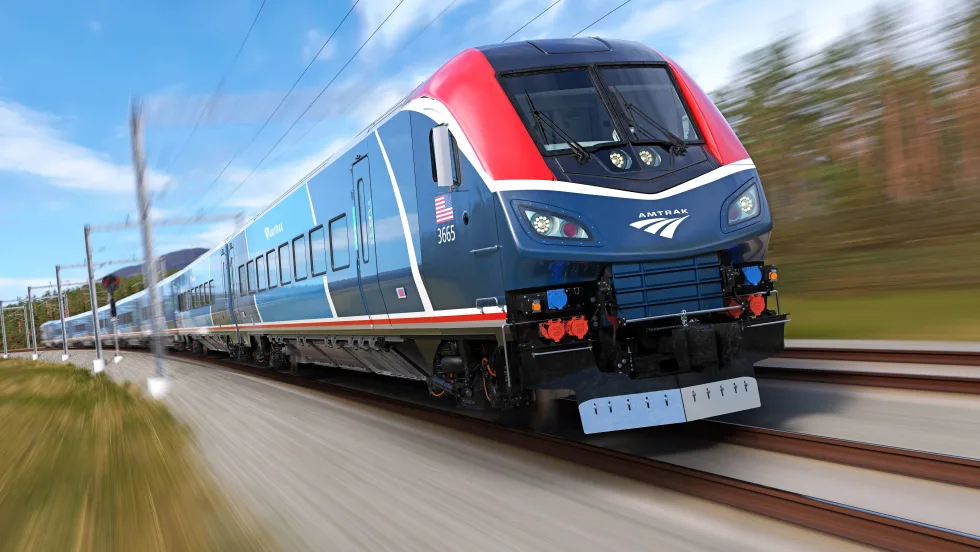
Amtrak Expands Airo Fleet with Eight Higher-Capacity Trainsets
The new 10-car trains, expected to enter service in 2031, will provide about 34% more seating capacity to meet growing demand on the Northeast Corridor.

Improving Transit Safety and Reliability Through AI
Hayden AI’s Chief Growth Officer, Charley Territo, discusses how AI-powered camera enforcement is helping transit agencies keep bus lanes and stops clear, improve accessibility, and move from pilot programs to full-scale deployments.

STraffic Expands North American Presence with Fare Collection Technology
John Moon, Associate Director, Product Strategy at STraffic, discusses the company's growth in North America, its efforts to reduce fare evasion, and more.

Laketran Cuts Fuel Costs, Boosts Efficiency with Propane-Powered Fleet
The Ohio transit agency is using propane-powered vehicles and on-site fueling infrastructure to cut fuel and maintenance costs while meeting growing demand for paratransit services.

Right-Sizing Rural Transit: Lessons from North Grenville’s On-Demand Model
A small municipality shows how flexible service, rider needs, and public accountability can expand mobility with limited resources.