



'N.Y. Green Transit/Green Jobs' Legislation Gaining Steam
One bill requires all new transit bus purchases starting in 2029 to be zero-emission buses, while the second would create contracting incentives for agencies to procure these buses from manufacturers that utilize labor from high-need communities within New York State.

The “Green Transit” component of the proposal would require public transit systems to purchase only zero-emission buses starting in 2029.
NY MTA
One year after New York State enacted monumental climate change legislation, a pair of state legislators are pushing their proposal to reduce carbon emissions in the transportation sector and promote the creation of new, good, climate-friendly jobs.
The proposal, known as “Green Transit, Green Jobs” includes two bills. One bill requires all new transit bus purchases starting in 2029 to be of zero-emission buses (ZEB) and the second would create contracting incentives for public transit agencies to procure these buses from manufacturers that utilize labor from high-need communities within New York State and create good green jobs. The plan has widespread support among environmental advocates, transit advocates, and labor unions throughout the state.
The “Green Transit” component of the proposal (A9046/S7349) would require public transit systems to purchase only zero-emission buses starting in 2029 and would task the New York State Department of Transportation (NYSDOT) with facilitating this conversion. NYSDOT would be explicitly tasked with considering ZEB purchasing in the disbursement of their five-year capital plans and would also help coordinate non-MTA transit agencies on purchasing, installation, and sharing of services. The timeline included in the bill mirrors a commitment the MTA, which is the largest public transit agency in New York, has already made to purchase only electric buses starting in 2029. Other transit agencies, including the Capital District Transportation Authority and Rochester-Genesee Regional Transportation Authority, have already launched pilot initiatives, or are planning to do so shortly.
Gov. Andrew Cuomo echoed similar principles in his 2020 State of the State address, calling for five of the largest upstate and suburban transit systems to also take steps to shift to zero-emission bus fleets.
The anticipated cost of developing necessary ZEB infrastructure, including charging stations along routes and retrofitting bus depots in addition to the purchase of new buses, is expected to be large. However, there are already several funding sources that could be used by transit systems to purchase zero-emission buses, including the Volkswagen Settlement, NYSERDA’s Truck Voucher Incentive Program, and various federal initiatives from the Federal Transit Administration and Environmental Protection Agency.
The “Green Jobs” component of the proposal (A10559/S8548) would require public transit systems to include a best-value contracting framework in their evaluation of procurement contract proposals for the purchase of zero-emission buses and charging equipment. This framework would incentivize contracts to include elements such as an employment plan, consideration of the surrounding community where a facility would be built, and climate change impact mitigation. The New York State Department of Transportation would be tasked with promulgating regulations to formalize the process for meeting the proposed requirement. There is also a quarterly reporting requirement in the first year and annual reporting for all subsequent years.
Similar frameworks have been used in places like Los Angeles and Chicago, resulting in the development of new employment centers that created hundreds of high-quality, unionized jobs. Contracting commitments included elements such as hiring 40% of a factory workforce from traditionally under-represented groups in manufacturing (Los Angeles) and the development of an apprenticeship program that prioritizes low-income workers, people of color, women, returning citizens, and veterans (Chicago).
More Zero Emissions
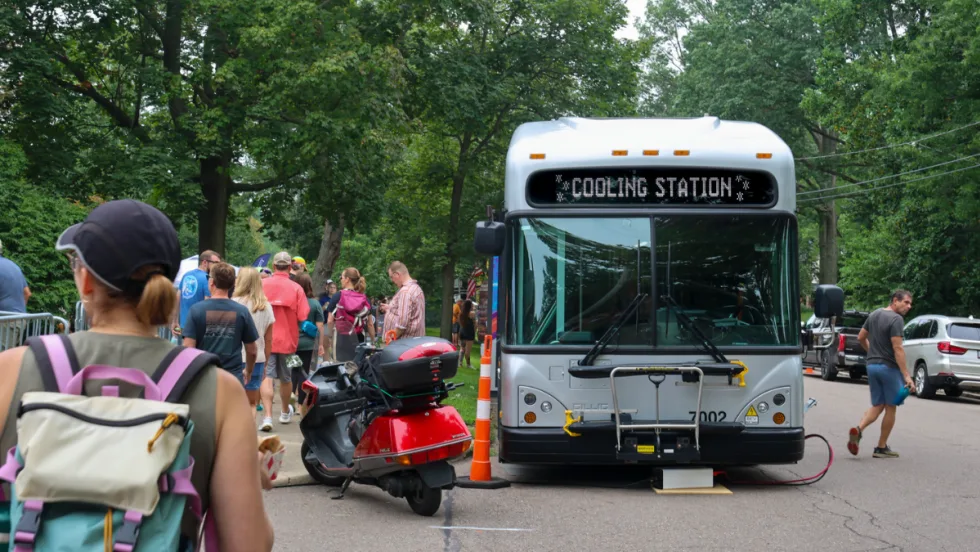
Ohio’s METRO RTA Turns Electric Buses into Mobile Power Sources at PorchROKR
See how three Gillig battery-electric buses powered festival stages while the agency’s new Park & Ride service carried approximately 1,000 attendees, demonstrating another potential use for transit agencies’ electric fleets.
Read More →
CALSTART and Forth Combine to Form Catalyst Mobility
The new name represents a renewed vision for the nonprofit focused on advancing clean, equitable, and affordable transportation solutions that move people and goods.
Read More →
Building a Flexible Path to Transit Electrification
John Hroncich discusses BAE Systems’ modular and scalable approach, lessons learned from decades of real-world operations, and how agencies can identify electrification strategies that fit their fleets.
Read More →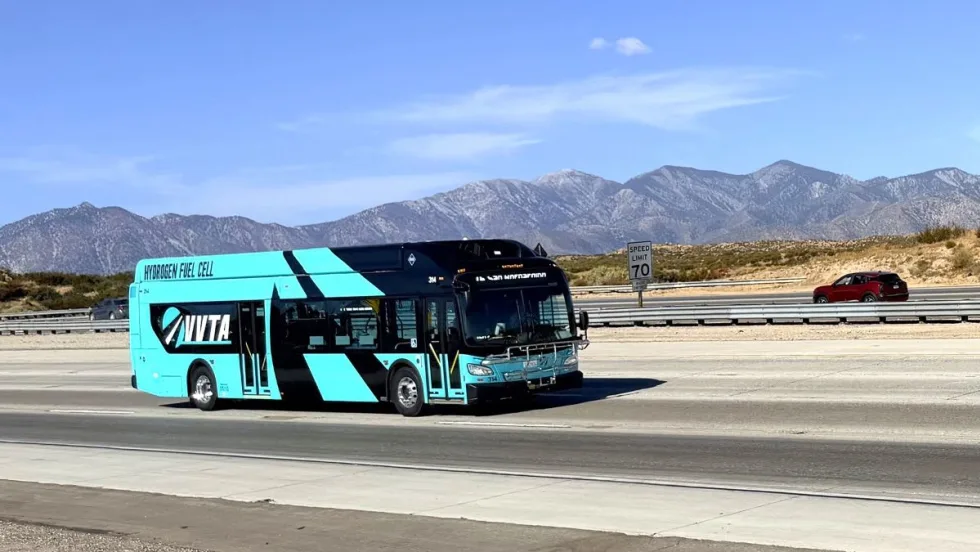
California's VVTA Begins Phased Rollout of Hydrogen Fuel Cell Buses
The agency is introducing 13 zero-emission buses into revenue service while evaluating performance across its urban, rural, and long-distance routes.
Read More →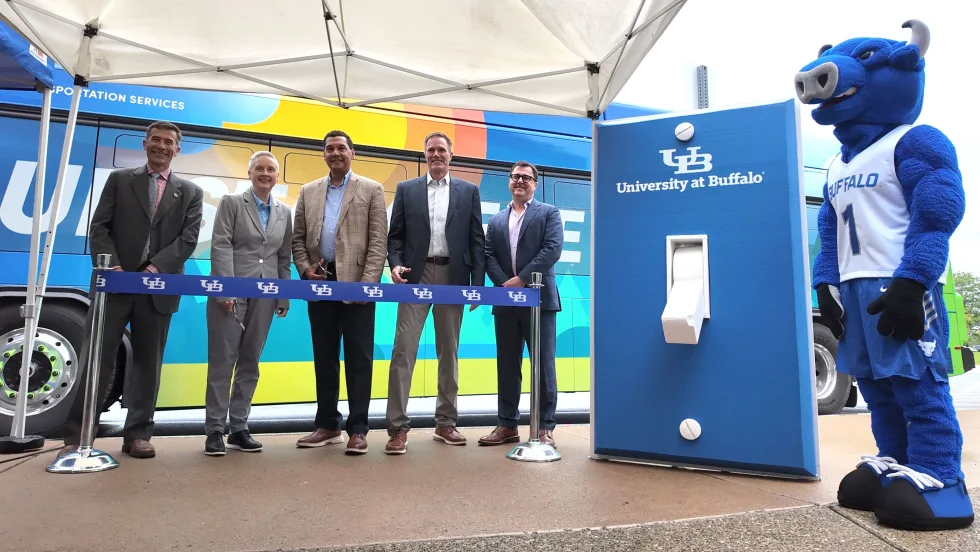
Inside Look: University at Buffalo Puts First 8 Electric Buses Into Stampede Service
UB, transportation solutions provider WeDriveU, and fleet electrification specialist Zenobē marked the deployment in the presence of students, university administrators, and local officials.
Read More →
Biz Briefs: OCTA Taps Clean Energy for Hydrogen Station, Stadler to Supply Via Rail Vehicles, and More
From manufacturers and suppliers to transit agencies and motorcoach operators, these updates offer a snapshot of the projects, partnerships and business moves driving the industry forward.
Read More →
AC Transit’s Cecil Blandon on Building the Next Generation of Transit Maintenance Leaders
The agency’s maintenance chief discusses leadership, workforce development, zero-emission technology, and preparing technicians for the future of public transportation.
Read More →
CTDOT Taps STV for Electric Bus Facility Design
The firm will work with CTDOT and RVT to define the facility layout, operational requirements, and long-term flexibility for RVT’s growing electric fleet.
Read More →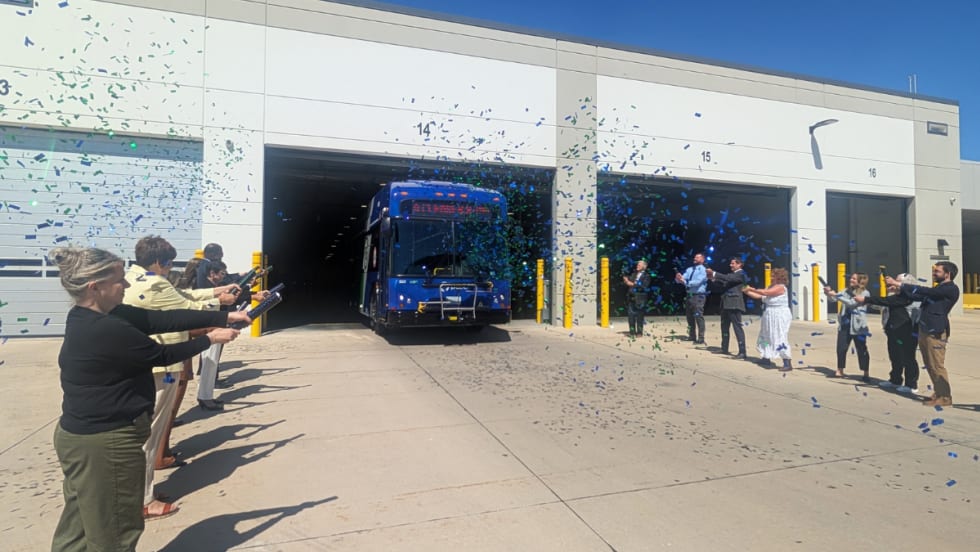
Chicago’s Pace Deploys 24 Hybrid-Electric Buses in Will County
The new buses reduce emissions and fuel consumption while advancing the agency's long-term goal of transitioning to a fully zero-emission fleet.
Read More →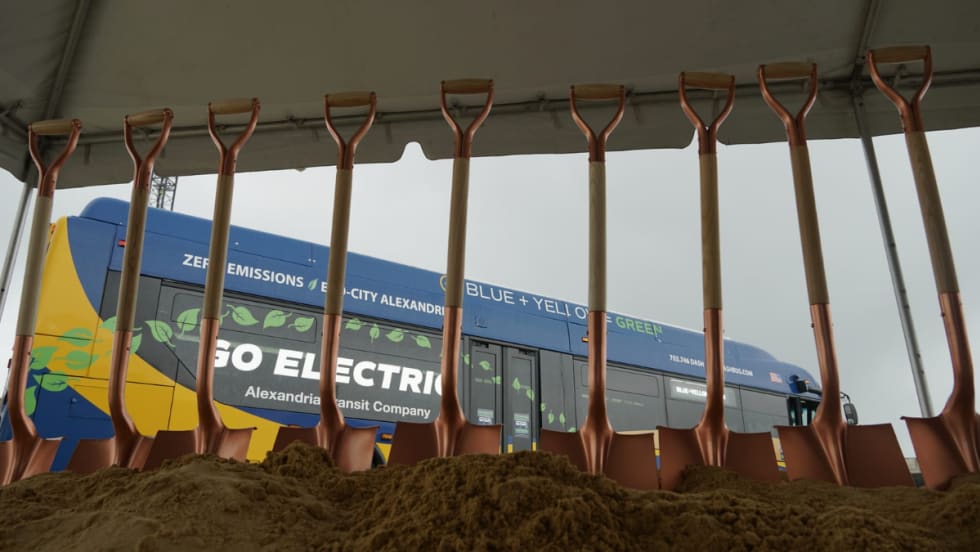
DASH Breaks Ground on First On-Route Electric Bus Chargers in D.C. Region
The fast-charging infrastructure will help extend electric bus range, improve fleet utilization, and support DASH's goal of transitioning to a fully zero-emission fleet.
Read More →