



Houston METRO Selects LAN for Universal Accessibility Initiative
The firm will provide architecture/engineering services for optimizing METRO’s bus routes and upgrading its vast network of bus stops and associated infrastructure.

LAN is providing architecture/engineering services for Houston METRO's Zone 5 and is optimizing the bus routes for all six of the agency's transit zones.
Houston METRO
Houston METRO selected Lockwood, Andrews & Newnam, Inc. (LAN) as one of the firms to provide architecture/engineering services for its Universal Accessibility Initiative.
METRO has prioritized universal accessibility as an agency initiative to commit to public facility environments that can be accessed, understood, and used by all people, regardless of their age, size, ability, or disability. In 2017, the agency began implementing a multi-year project to ensure its bus stops meet or exceed standards laid out in the Americans With Disabilities Act by 2024.
As part of the project, METRO is optimizing bus routes and upgrading its vast network of bus stops and associated infrastructure. The upgrades include sidewalks, wheelchair ramps, and bus shelter foundation improvements. The agency divided the city into six zones and selected a firm to upgrade each zone. LAN is providing architecture/engineering services for Zone 5 and optimizing the bus routes in all zones. Zone 5 is in the southwest part of Houston and is generally bound by IH-10, US-69, SH-6, and IH-45.
“We are looking forward to working with METRO to accomplish its mission and enhance the mobility and connectivity of our city’s communities and businesses,” said Ricky Gonzalez, LAN’s associate and team leader.
More Management

NITA Proposes $5B Operating Budget, $9.7B Capital Program for 2027
The proposed budget includes funding for expanded transit service, safety initiatives, fleet upgrades, and infrastructure improvements across CTA, Metra, and Pace.
Read More →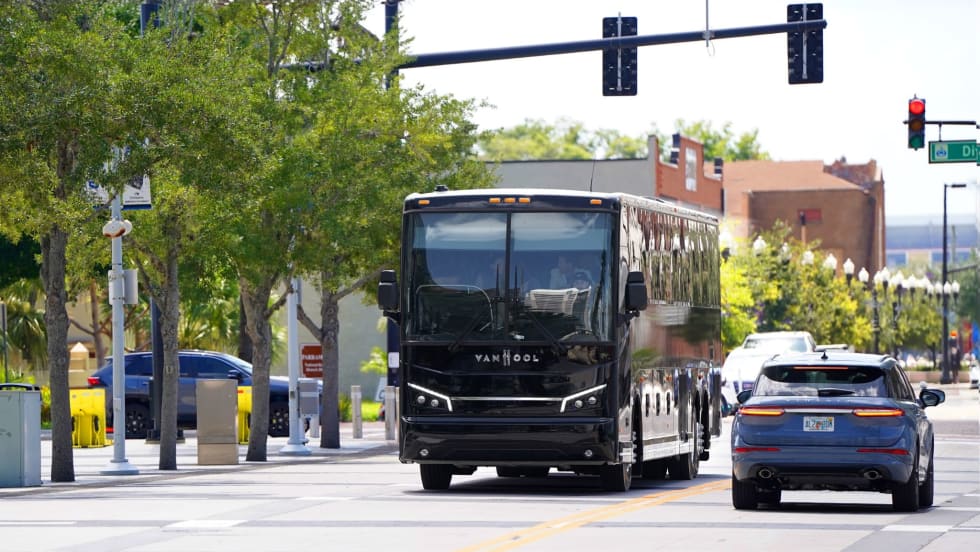
Financing, Fleet Replacement Requires a More Strategic Approach
Executives from ABC Companies and MCI discuss how rising costs, changing market conditions, and post-pandemic challenges are prompting motorcoach operators to rethink financing strategies, fleet replacement cycles, and long-term planning.
Read More →
Bringing Austin’s First Light Rail System to Life
Austin Transit Partnership CEO Greg Canally discusses the city's nearly 10-mile light rail project, its collaborative approach to project delivery, the importance of community engagement, and the milestones ahead as construction approaches in 2027.
Read More →
ETA CEO John Maglio on Transit Technology, Innovation, and Building Agency Trust
ETA founder and CEO John Maglio explores the evolution of transit technology, the importance of reliable systems, and how stronger partnerships can help agencies improve operations and the passenger experience.
Read More →
Metra Draft Plan Outlines Costs, Service Improvements for Regional Rail
The Systemwide Network Plan identifies infrastructure needs and potential investments to expand all-day, bidirectional rail service across the Chicago region.
Read More →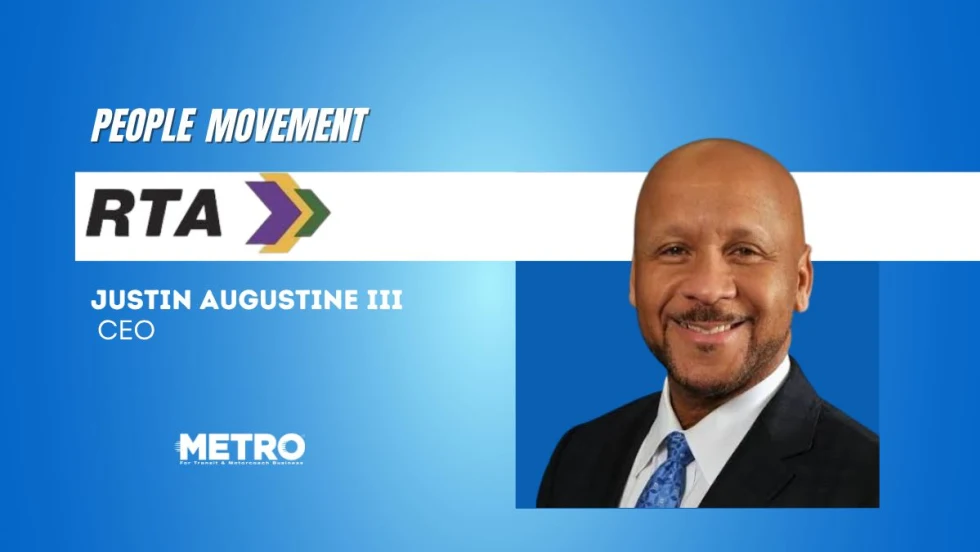
New Orleans RTA Names Augustine III as New CEO
In this edition, we also spotlight recent personnel moves at HDR, PATH, STV, and more, highlighting the people taking on new roles across the transportation industry.
Read More →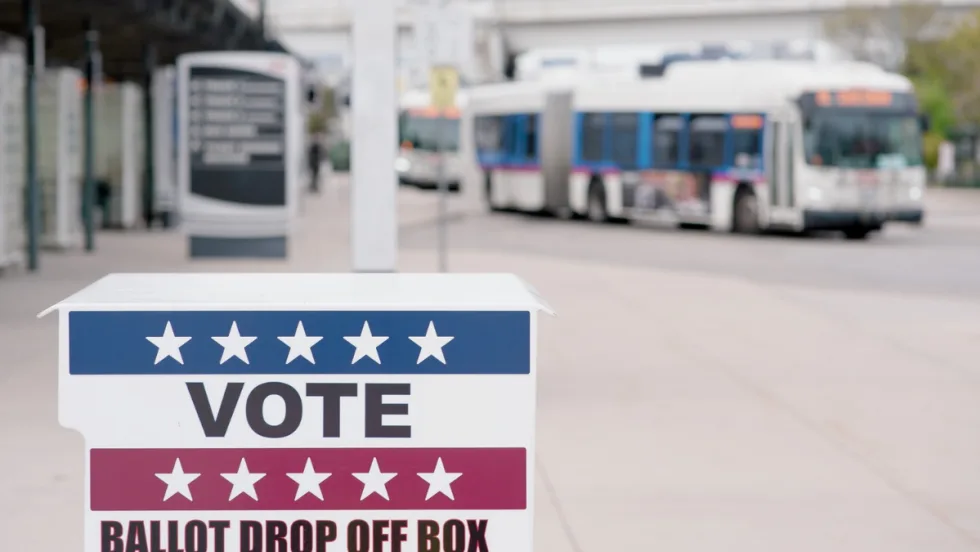
How Transit Agencies Are Using Free Rides to Improve Voting Access
Transit agencies are using fare-free service, trip-planning tools, and targeted rides to improve voting access. See what other agencies can learn from these efforts.
Read More →
Caltrain’s Electrification Drives a New Era of Ridership Growth
The railroad’s shift to electric service has brought more frequent trains, stronger customer satisfaction, and increased ridership, earning it APTA’s Outstanding Public Transportation System award.
Read More →
Chicago, Charlotte Transit Agencies Expand Rider Support Programs
CTA launched crisis intervention teams as CATS prepares to deploy fare ambassadors, expanding customer assistance and security efforts across both systems.
Read More →
New York MTA Launches Historic $1.9B Signal, Track Modernization Project
Funded in part by congestion pricing revenue, the project will replace nearly century-old signals along the A and C lines in Brooklyn and Queens.
Read More →