



New Study Shows America’s Roads Might Not Be Ready for A Return to the Office
As millions of Americans are preparing to return to offices and downtown business districts since the COVID-19 pandemic began, the study ranked the cities where commuters may encounter fewer problems and where headaches may be the worst.
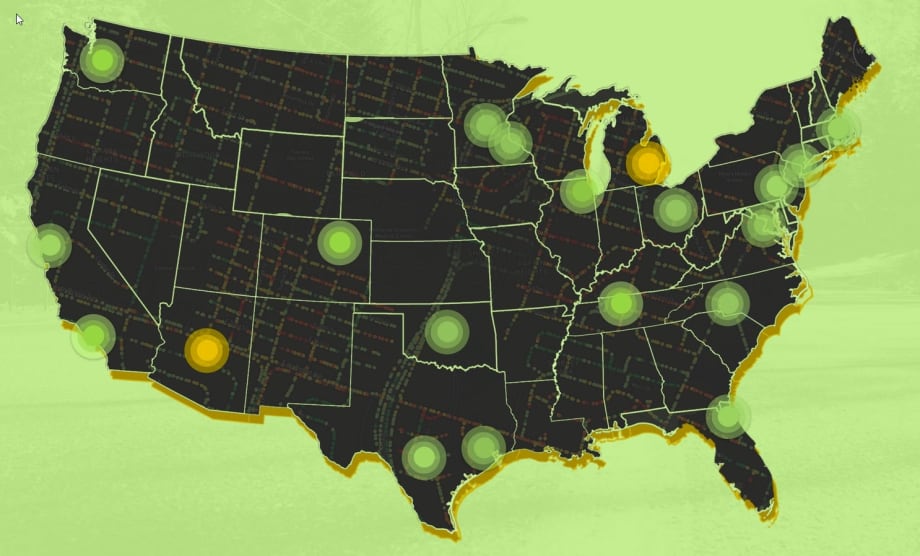
Screenshot via U.S. Chamber of Commerce Foundation and RoadBotics.
The U.S. Chamber of Commerce Foundation and Pittsburgh-based tech startup RoadBotics released a new study, which used artificial intelligence (AI) to assess roadway conditions in 20 of the nation’s major metropolitan areas. As millions of Americans are preparing to return to offices and downtown business districts since the COVID-19 pandemic began, the study ranked the cities where commuters may encounter fewer problems and where headaches may be the worst.
“Stronger roadway systems get people to jobs, connect businesses to markets, and serve major economic arteries,” said Michael Carney, sr. VP, emerging issues, at the U.S. Chamber of Commerce Foundation. “This innovative look at America’s roadways highlights the urgent need to improve infrastructure in some of the nation’s most dynamic metropolitan areas, and why keeping our roadways in a state of good repair is critical as the economy picks up steam.”
The study assessed 75 miles of roadway in 20 cities selected to represent a cross section of major metropolitan areas. Philadelphia’s roadways ranked best for road infrastructure, followed by Jacksonville, Fla., and New York City. Other populous and congested cities like Washington and Los Angeles ranked 10th and 17th, respectively. Sprawling Houston ranked 13th, and Phoenix tied with Detroit for worst of the areas studied at 19th.
According to TRIP, a national transportation research nonprofit, driving on roads in need of repair costs every driver about $600 a year, and the bill to fix the nation’s roads grows higher the longer we defer infrastructure investments. The challenge with monitoring the state of infrastructure is twofold.
Roadway networks are massive and require countless hours for people to physically observe and assess conditions.
For the 20-city survey, RoadBotics gathered visual data from smartphone cameras mounted to the windshields of vehicles and used AI to analyze it. The collected videos of the pavement identified surface distresses like potholes and cracks and repeated this analysis for the next section until it generated a high-definition map of a sample of the road system. The practice not only accelerates the road assessment process, but also provides actionable data that can be used to inform other infrastructure decisions.
As America gears up for one of its largest infrastructure investments to date, technology-enabled private sector innovation can play a key role in addressing our most critical needs, while eliminating wasteful spending by allowing government agencies to better manage transportation staff, road improvement projects, and the overall cost of assessment.
The study adds to the growing body of research demonstrating the critical connection between infrastructure investments and economic health. The ability to safely and efficiently transport goods and services directly impacts America’s ability to grow and compete. Poorly maintained roads threaten our nation’s business community, already hard hit by pandemic losses. As Americans return to offices and downtowns, and as businesses enter a new phase of recovery, one thing is clear: infrastructure investment has never been more important.
To see the full report and 20-city ranking, click here.
More Security and Safety

Transit Agencies Highlight Safety Gains at National Summit
Leaders from 15 major transit systems shared crime-reduction results and safety initiatives while discussing the role of continued federal support.
Read More →
DART Launches Major Security, Fare Enforcement Initiative
The 90-day demonstration will deploy coordinated security teams at five light rail stations while testing controlled access and gathering data to guide future investments.
Read More →
RTD Launches NextRide App to Consolidate Trip Planning, Fares, Security Reporting
The app expands on RTD’s existing NextRide web application and allows customers to view real-time vehicle locations and service alerts, purchase and store digital fares, and access customer support.
Read More →
TAPTCO Updates OSHA Compliance Training for Transit Maintenance Operations
The revamped program addresses 26 OSHA standards for maintenance facilities, with TAPTCO pointing to training, documentation, and everyday shop hazards as continuing challenges for transit operations.
Read More →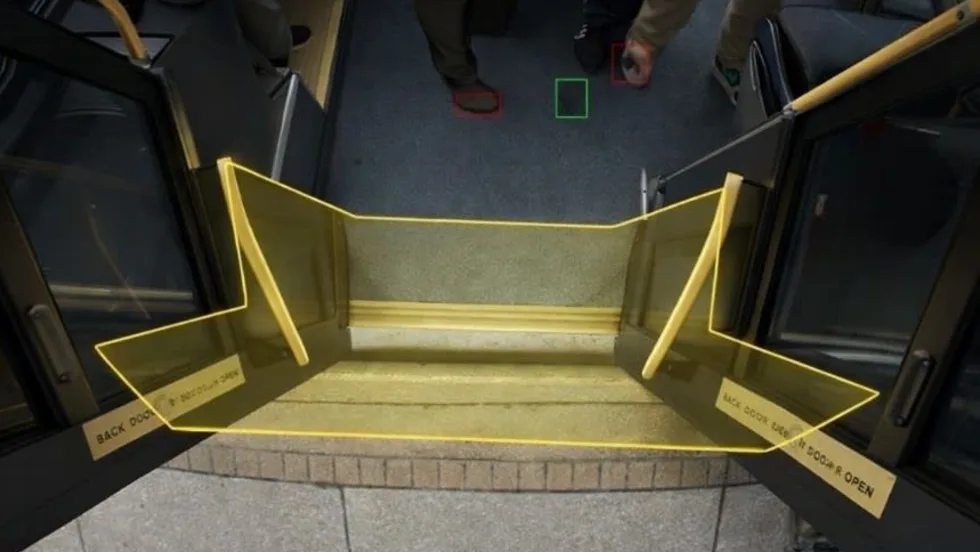
How VaporVision Adds Value to Transit Door Systems
Wabtec engineers explain how the system improves doorway detection, strengthens diagnostics and gives transit agencies and OEMs greater operating flexibility.
Read More →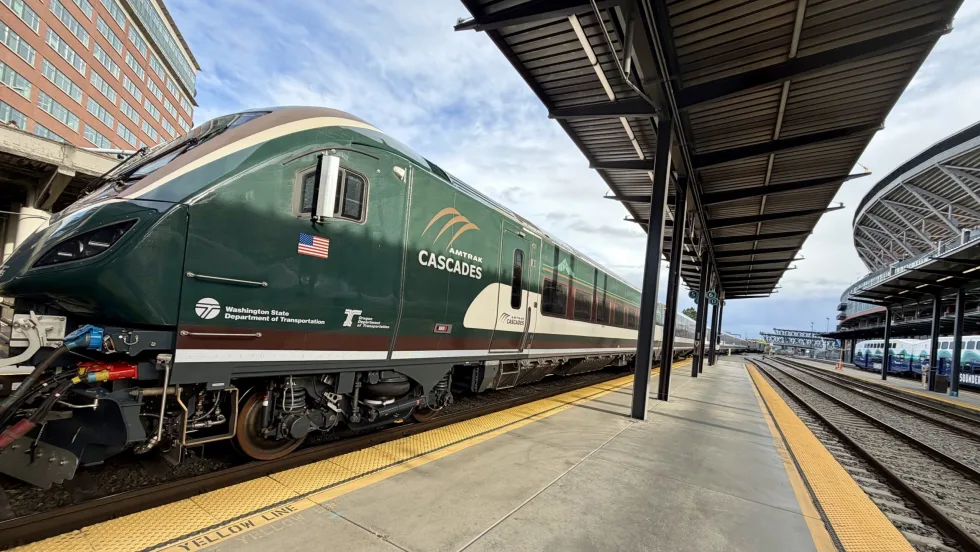
FRA Announces $5.3B in Rail Investments, Including $2B for Amtrak
Funding will support grade-crossing improvements, infrastructure upgrades, and new Amtrak equipment in 23 states.
Read More →
Chicago, Maryland Expand Non-Law-Enforcement Safety, Rider Support
The CTA and MTA are launching new programs aimed at de-escalation, crisis response, rider assistance, and greater transparency.
Read More →
LA Metro, City of West Hollywood, and Partners Advance Smarter Bus Lane Enforcement
The award-winning partnership combines AI-powered detection with human oversight to improve bus reliability, accessibility, and enforcement efficiency.
Read More →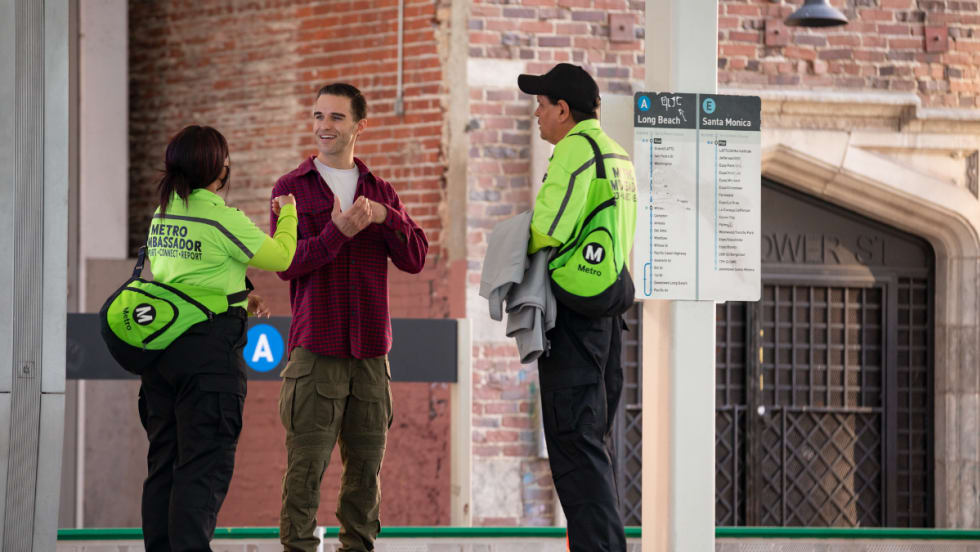
LA Metro Reports 57% Decline in Homelessness on Transit System Since 2024
The agency's latest homelessness count offers new data on how care-based services and cross-sector partnerships can complement traditional transit security strategies.
Read More →
FTA Launches 'Transit Moves America' Dashboard to Highlight Agency Safety and Performance
The online dashboard transforms National Transit Database information into a public-facing resource that allows users to compare transit agencies on key operational and safety metrics.
Read More →