



Related: ZF Bringing Automatic Transmission to North America
ZF Acquires Bestmile’s Technology
ZF acquires Bestmile’s technology, set to build the commercial vehicle industry’s first Mobility Orchestration Platform.
by Staff
November 5, 2021
Customers will now also gain access to ZF’s extensive Aftermarket solutions and fleet service network, including roadside assistance, workshops, and distribution partners.
Photo: ZF
2 min to read
ZF announced that it has acquired Bestmile’s technology, which signals a step towards launching the commercial vehicle industry’s first Mobility Orchestration Platform. This platform will advance ZF’s “Next Generation Mobility” strategy, and it will help operators realize ambitions for Transportation as a Service (TaaS) and Mobility as a Service (MaaS) for all types of mobility applications and vehicles.
“The transportation eco-system is rapidly changing, with OEMs and fleet operators facing numerous challenges — from competitive pressures to regulatory changes — as they increasingly digitalize and adopt autonomous, connected and electric mobility technologies,” said Dr. Christian Brenneke, SVP, Product Engineering with ZF’s Commercial Vehicle Control Systems division. “This pace and diversity of applications has fragmented the transportation industry, creating digital silos, greater complexity and operational inefficiency for fleet management.”
ZF’s Orchestration platform will provide real-time coordination and management of goods and people transportation on a large scale.
“By incorporating Bestmile’s technology into our Next Generation Mobility strategy, ZF will provide an Orchestration Platform that optimizes the information feeds, complex operational processes and stringent controls required to build and support connected transportation ecosystems,” said Brenneke.
ZF will leverage Bestmile’s capabilities and developments will introduce a fully automatic, KPI-based planning, routing, scheduling, and dispatching solution based on connectivity between onboard technology, fleet optimization, and artificial intelligence.
This platform will help fleets significantly improve their operational efficiency, sustainability, safety, and cargo security. It will also help facilitate fully autonomous mobility and cargo transportation within automated, multi-platform supply chains, and logistics networks.
“Based on this platform, ZF will open a gateway to enable higher levels of automation and connectivity between diverse mobility and transportation system providers and stakeholders, including cargo, shipping and commercial transportation supply chains. The platform also supports on-demand mobility providers by orchestrating every vehicle in a fleet in real time,” said Brenneke.
Customers will now also gain access to ZF’s extensive Aftermarket solutions and fleet service network, including roadside assistance, workshops, and distribution partners.
“My team and I are delighted to become part of ZF and take the next steps towards optimizing cargo and people mobility," said Dr. Marco Laumanns, former CTO of Bestmile. "Our focus has always been to offer fleet operators a one-stop solution for orchestration technology to enable the smart, shared, electric, and autonomous mobility of the future already, today. With ZF’s innovation and strong technology leadership across the full range of transportation platforms and fleet management solutions, we gain additional thrust towards achieving this vision."
More Technology

ETA CEO John Maglio on Transit Technology, Innovation, and Building Agency Trust
ETA founder and CEO John Maglio explores the evolution of transit technology, the importance of reliable systems, and how stronger partnerships can help agencies improve operations and the passenger experience.
Read More →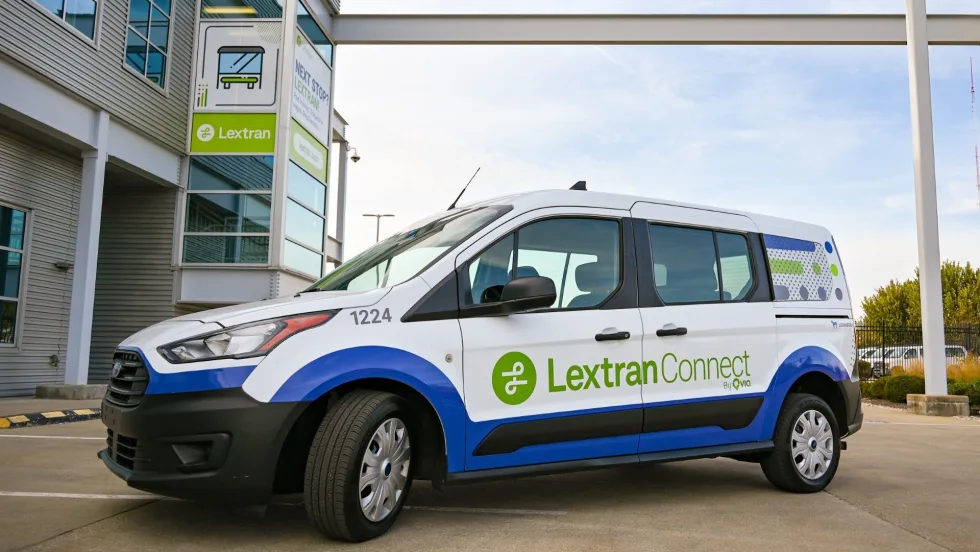
Lextran, Via Team for On Demand, HDR to Work on Twin Cities BRT, and More
In METRO's latest installment, we also take a look at recent news from Keolis, Complete Coach Works, Anchor Transportation, and more partnerships making headlines across the transportation sector.
Read More →
Caltrain’s Electrification Drives a New Era of Ridership Growth
The railroad’s shift to electric service has brought more frequent trains, stronger customer satisfaction, and increased ridership, earning it APTA’s Outstanding Public Transportation System award.
Read More →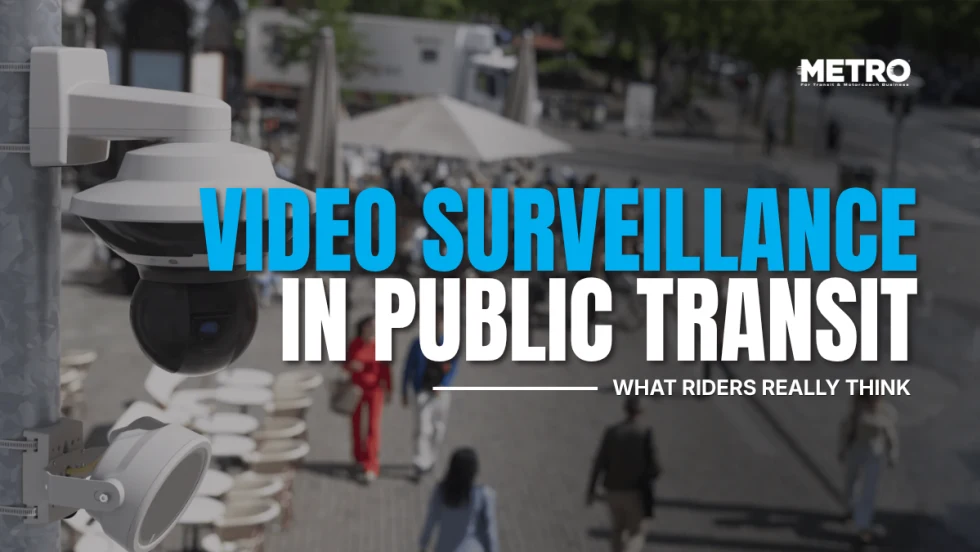
Video Surveillance in Public Transit: What Riders Really Think
As video surveillance gains public acceptance, new research from Axis Communications reveals what transit riders expect from agencies when it comes to safety, privacy, and AI.
Read More →
New York MTA Launches Historic $1.9B Signal, Track Modernization Project
Funded in part by congestion pricing revenue, the project will replace nearly century-old signals along the A and C lines in Brooklyn and Queens.
Read More →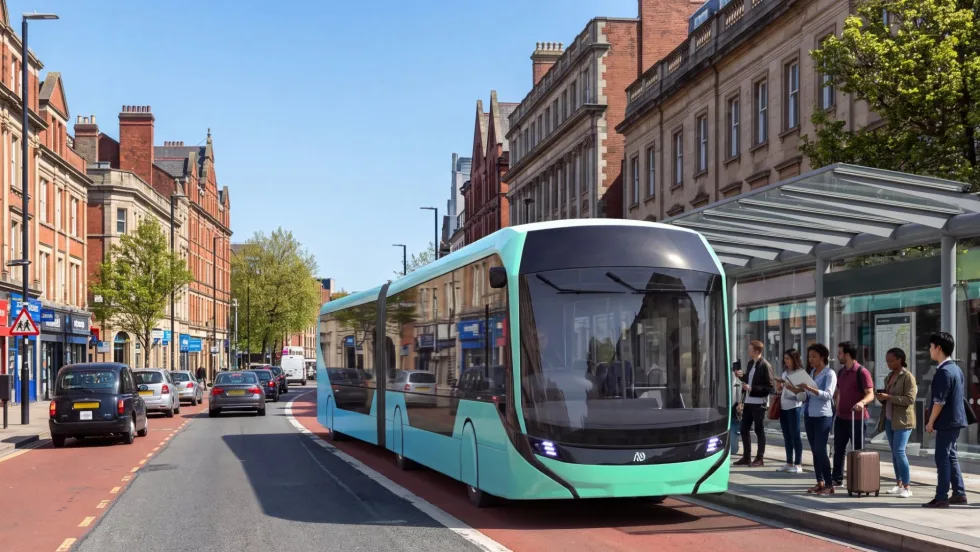
Biz Briefs: New Electric Offering from Alexander Dennis/Volvo, Transdev in Boston, and More
In METRO's latest installment, we also take a look at recent news from STV, WSP, Prevost, and more partnerships making headlines across the transportation sector.
Read More →
Roman Cornell on ABC Companies’ Evolution and the Future of Passenger Transportation
The company’s CEO discusses carrying forward a third-generation family legacy, ABC’s continued evolution in passenger transportation, support for increasingly complex fleets, and how technology and continued investment could help operators improve uptime.
Read More →
ETA CEO John Maglio on Transit Technology, Innovation, and Building Agency Trust
ETA founder and CEO John Maglio explores the evolution of transit technology, the importance of reliable systems, and how stronger partnerships can help agencies improve operations and the passenger experience.
Read More →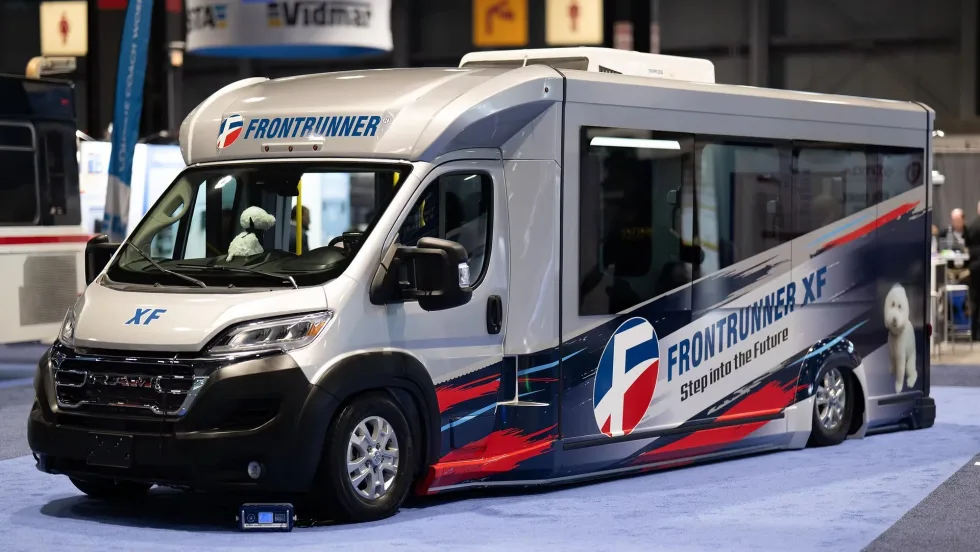
Frontrunner Bus Group Introduces XF Low-Floor Bus with Enhanced Accessibility
The new mid-sized bus features a full flat-floor design, eight-inch curbside step-in height, and zero-entry rear ramp to improve passenger access and operational flexibility.
Read More →
Building a Flexible Path to Transit Electrification with BAE's John Hroncich
John Hroncich discusses BAE Systems’ modular and scalable approach, lessons learned from decades of real-world operations, and how agencies can identify electrification strategies that fit their fleets.
Read More →