



MBTA Taps Intersection for Digital Information Kiosks
The network of digital information kiosks and bus shelters will bring the latest technology and real-time transit information to more riders across the region.

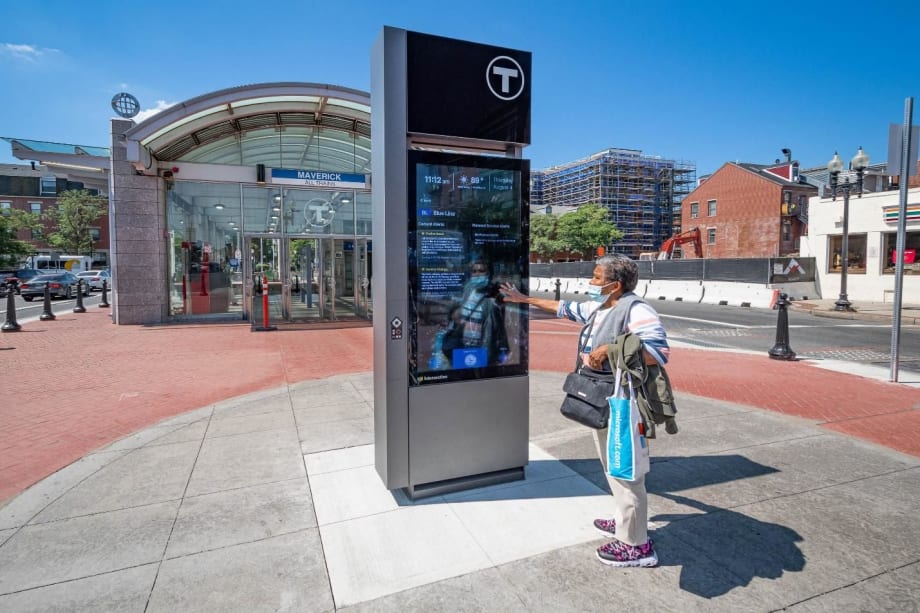
The installation is part of an ongoing co-investment between the MBTA and Intersection, an out of home media company, to enhance customer amenities at MBTA bus stops.
MBTA/Intersection
The Massachusetts Bay Transportation Authority (MBTA) announced the installation of its first interactive Information Kiosk, part of a state-of-the-art, street furniture network across the Greater Boston region.
The installation is part of an ongoing co-investment between the MBTA and Intersection, an out of home media company, to enhance customer amenities at MBTA bus stops. The network of digital information kiosks and bus shelters will bring the latest technology and real-time transit information to more riders across the region.
“We’re very excited to bring this creative and interactive technology to riders, especially real-time information displays to our bus riders,” said MBTA GM Steve Poftak. “Real-time information at bus stops is something our bus riders have long requested, and these displays and bus shelters join our growing collection of modern digital enhancements that improve the customer experience.”
The first digital information kiosk was launched at Maverick station in June.
Through the Street Furniture Program, the MBTA and Intersection are looking to:
Expand access to real-time information at bus stops.
Grow the bus shelter and street furniture network.
Provide sustainable maintenance to the street furniture network supported by advertising.
The first kiosk was launched at East Boston’s Maverick station in June and has since empowered transit riders and pedestrians with real-time trip planning tools like subway and bus departure times, service alerts, wayfinding resources, and local area information. The expanding network will be funded by advertising revenue and will provide local businesses and large brands with an opportunity to advertise throughout the dynamic Boston metro region. More kiosks will launch across the region in the coming months with bus shelters arriving in 2023.
The deployment is part of a seven-year contract with Intersection, which has the exclusive rights to manage all static and digital advertising for MBTA’s bus shelters and street furniture fleet across the Boston area.
More Technology
Exploring AI's Role in the Future of Paratransit and On-Demand Transportation
Spare's Kristoffer Vik Hansen discusses evolving rider expectations, the challenges facing transit agencies, and how artificial intelligence could help improve paratransit and on-demand mobility services.
How Rally OurBus Connects Motorcoach Operators with Event Transportation Demand
The company's crowd-powered model uses passenger reservations to shape routes, determine capacity, and create new business opportunities for independent motorcoach operators.

What Transit Maintenance Facilities Should Know About Gas-Detection Placement
Proper gas-detector placement is critical to maintaining safety in transit maintenance facilities, requiring agencies to consider fleet fuel types, ventilation, shop operations, and ongoing equipment maintenance.
People Movement: Metrolink's Kettle Announces Retirement, Feakins to CEO at UZURV, and More
In this edition, we also cover recent appointments and announcements at King County Metro, SilverRide, and more, showcasing the individuals helping to shape the future of transportation.

Imagry, Endera Partner for Automated Buses, Luminator Teams with Avail, and More in Biz Briefs
In METRO's latest installment, we also take a look at recent news from RIDE, Alstom, and more partnerships making headlines across the transportation sector.
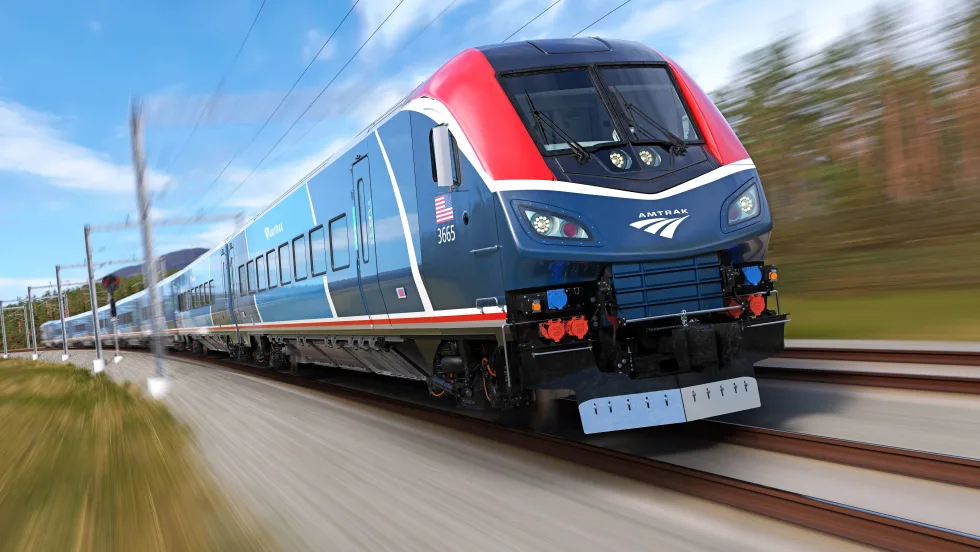
Amtrak Expands Airo Fleet with Eight Higher-Capacity Trainsets
The new 10-car trains, expected to enter service in 2031, will provide about 34% more seating capacity to meet growing demand on the Northeast Corridor.

Improving Transit Safety and Reliability Through AI
Hayden AI’s Chief Growth Officer, Charley Territo, discusses how AI-powered camera enforcement is helping transit agencies keep bus lanes and stops clear, improve accessibility, and move from pilot programs to full-scale deployments.

STraffic Expands North American Presence with Fare Collection Technology
John Moon, Associate Director, Product Strategy at STraffic, discusses the company's growth in North America, its efforts to reduce fare evasion, and more.

Laketran Cuts Fuel Costs, Boosts Efficiency with Propane-Powered Fleet
The Ohio transit agency is using propane-powered vehicles and on-site fueling infrastructure to cut fuel and maintenance costs while meeting growing demand for paratransit services.

Right-Sizing Rural Transit: Lessons from North Grenville’s On-Demand Model
A small municipality shows how flexible service, rider needs, and public accountability can expand mobility with limited resources.