




Fare Enough: RTD Resumes Fare Collection, Continues Transition to MyRide App
STA Launches Connect Fare System
Connect encompasses both physical cards and mobile payments within the eConnect mobile app.
October 4, 2022

Using the INIT fare validators inside STA buses, riders board, tap, scan, and ride.
Photo: STA
2 min to read
Spokane Transit Authority (STA) announced it has launched the Connect fare system, an account-based fare collection system supplied by INIT, according to the agency's news release.
Connect encompasses both physical cards and mobile payments within the eConnect mobile app, delivering electronic fare payments across the Spokane region in Washington State, according to the news release.
STA said the Connect fare system will improve the customer experience by delivering real-time account management, facilitating new payment options, maintaining customer data security, and enabling the use of mobile devices to pay fares.
Riders can take advantage of balance protection and account management by registering their account online. The website and mobile app provide features for riders to add funds, utilize an autoload option, view ride history, and check their current balance. The mobile app allows the rider to create a virtual card (eConnect) and use it to pay their fare using a barcode, according to STA.
Using the INIT fare validators inside STA buses, riders board, tap, scan, and ride.
STA added that the core of the Connect fare system is MOBILEvario, INIT’s back-office fare management, and processing software. MOBILEvario delivers the ability for STA to offer riders a more socially equitable fare payment structure called Fare Capping.
“STA embraces new technology to improve both the customer experience and our operations,” said E. Susan Meyer, STA CEO. “The tap and go feature also makes boarding quicker and keeps our buses and Paratransit vehicles running on time. Connect makes it easier for our customers to ride transit without needing to purchase daily or monthly passes. They can add value on their own terms and with fare capping, they don’t risk paying for rides they may not end up taking.”
Utilizing MOBILEvario, STA will onboard the Universal Transit Access Pass (UTAP) programs that serve the region’s colleges and universities in addition to the City of Spokane and Spokane County employees. Additionally, STA said it has expanded its fare structure with reduced and zero-fare options.
More New Mobility

ENC Unveils ZAVIR Medium-Duty Electric Shuttle
The new ZAVIR brand targets shuttle and paratransit operations with battery-electric and range-extended electric vehicle options.
Read More →
Public Transit Conference Returning to GFX in 2027, Call for Papers Now Open
The Call for Papers is now open, allowing transit agency professionals and industry experts to help shape the PTC educational program by submitting session ideas for consideration.
Read More →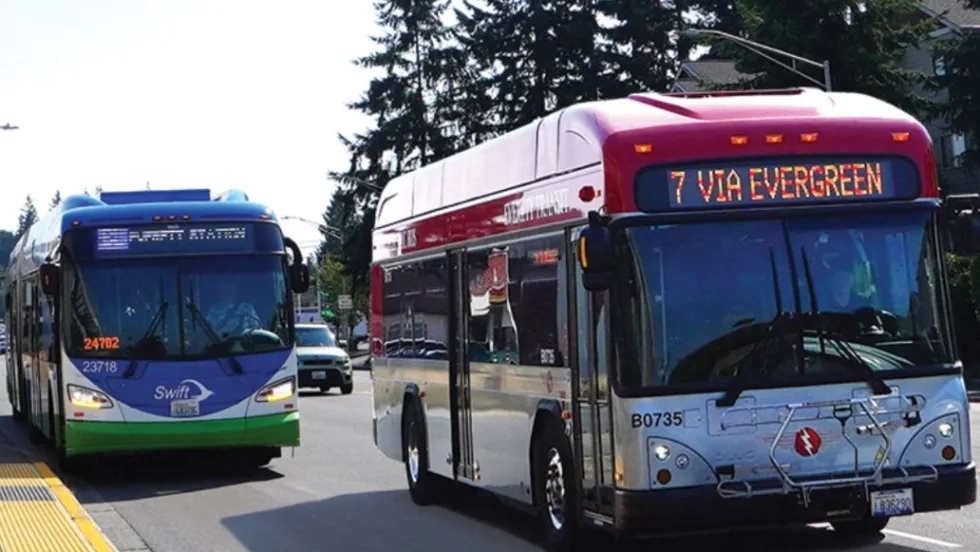
Everett Transit, Community Transit Outline Consolidation Agreement
The proposed agreement calls for a 50% increase in bus service in Everett, a new microtransit zone, continued paratransit service, and the transfer of Everett Transit operations to Community Transit.
Read More →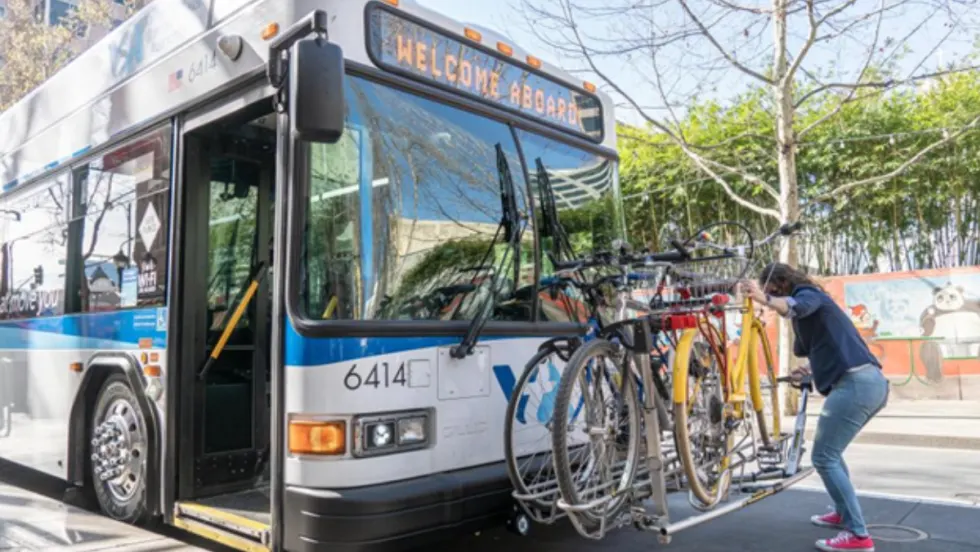
What Multimodal Data Can Tell Transit Agencies About Rider Demand
See how bike-on-bus data is giving transit agencies new insight into rider demand, capacity constraints, and gaps in first- and last-mile connections.
Read More →
From Hardware to Digital Partner: Luminator Charts Its Next Chapter
CEO Magnus Friberg discusses Luminator’s shift toward becoming a digital partner, the growing importance of software and interoperability, and how AI can help agencies improve operations and passenger experience.
Read More →
Biz Briefs: Alstom Lands Canadian Contract, LYT to Supply California TSP, and More
In METRO's latest installment, we take a look at recent news from Complete Coach Works, Beep, FlixBus, and more partnerships making headlines across the transportation sector.
Read More →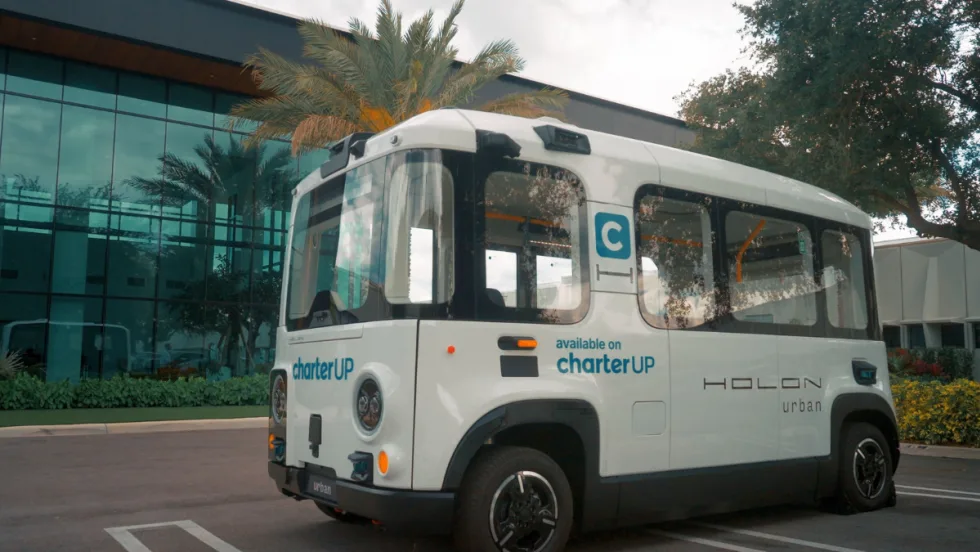
CharterUP’s Armir Harris on Technology, AI, and the Future of Group Mobility
In a recent episode of METROspectives, CharterUP Founder/CEO Armir Harris discussed the company’s evolution from an online charter bus marketplace into a technology platform supporting public- and private-sector mobility and much more.
Read More →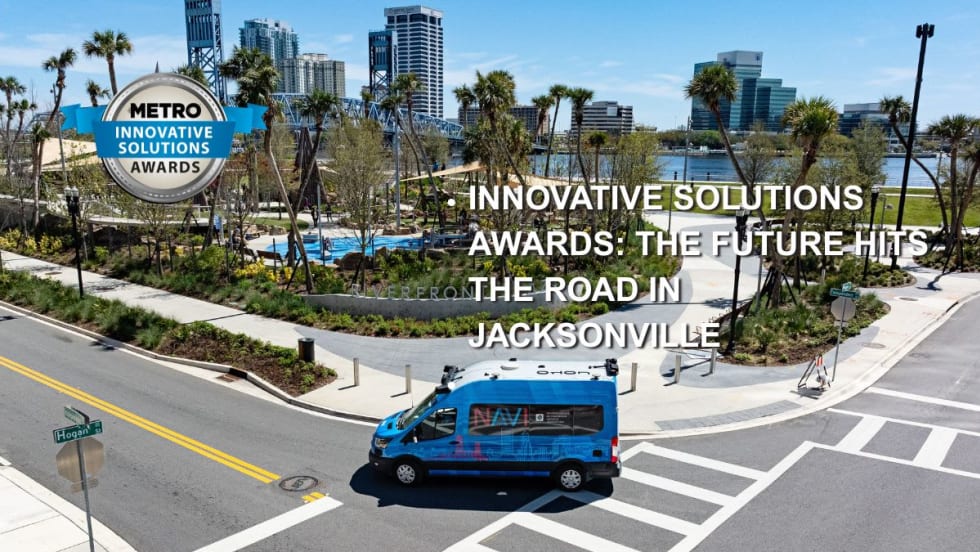
Jacksonville’s NAVI Project Charts a New Course for Autonomous Public Transportation
Through its NAVI program, JTA is showing how autonomous vehicles, intelligent infrastructure, and coordinated operations can work together to deliver everyday public transportation.
Read More →
Biz Briefs: Luminator Marks Milestone and More
From manufacturers and suppliers to transit agencies and motorcoach operators, these updates offer a snapshot of the projects, partnerships and business moves driving the industry forward.
Read More →
New Tricks for Old Bureaucracies: Joshua Schank on Making Transit Innovation Stick
Former LA Metro Chief Innovation Officer Joshua Schank discusses why good ideas aren't enough, how transit agencies can overcome resistance to change, and why today's challenges demand more innovation.
Read More →