




Last Quarter: St. Louis Metro Notes Progress for Safer Transit System
MetroLink Task Force Report Shows Continued Progress in Q3
The MetroLink Task Force Incident Report for Quarter 3 has been released, showing the benefits of a greater security presence.
January 5, 2023
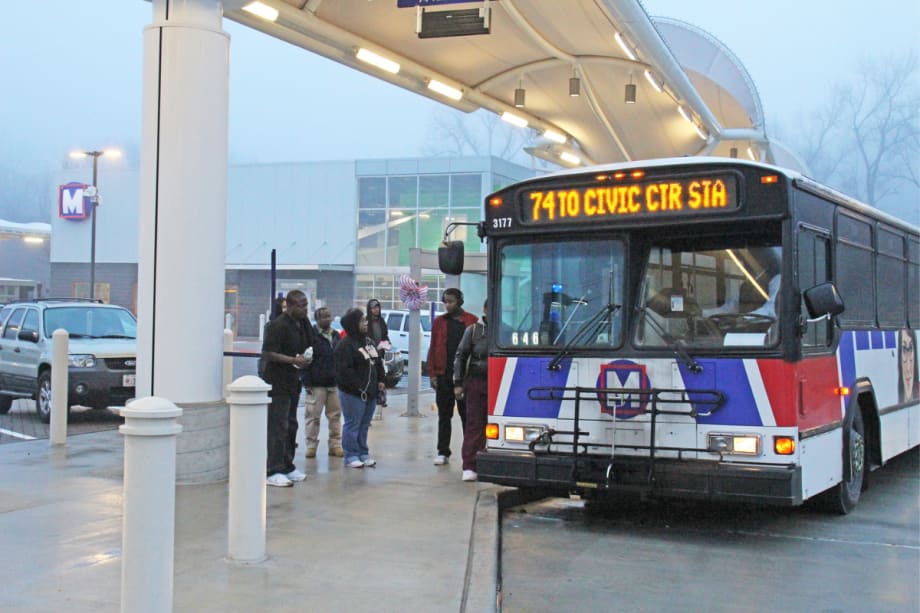
Operators of the Metro Transit system and its law enforcement partners at St. Louis County Police, St. Louis Metropolitan Police and St. Clair County Sheriff’s Department, and its contracted security partners at Allied Universal continue to work together to provide a proactive approach to policing.
Photo: St. Louis Metro
3 min to read
The MetroLink Task Force Incident Report for Quarter 3 (July – September 2022) was recently released and it indicates that greater security presence across the entire Metro Transit system is continuing to create a safer transit environment for public transit customers in the St. Louis region, according to Metro Transit's news release.
Operators of the Metro Transit system and its law enforcement partners at St. Louis County Police, St. Louis Metropolitan Police and St. Clair County Sheriff’s Department, and its contracted security partners at Allied Universal continue to work together to provide a proactive approach to policing. This approach has resulted in an increased number of incidents being addressed this year over last year, according to the report.
This proactive approach is contributing to increased MetroLink ridership, with boardings up another 7% from Quarter 2 of 2022 to Quarter 3 of 2022.
Proactive policing deters crime, reduces disorder, reduces fear of crime, or remedies specific concerns in a given area, through police efforts that occur before a crime is committed. The shared commitment to this proven approach is translating into a majority (62%) of incident reports on the MetroLink system being self-initiated and generated by Metro Transit’s police partners.
This alternative community policing approach also includes creating a safer, more secure transit environment by incorporating mental health and drug treatment resources on the Metro Transit system through a partnership with Chestnut Health Systems.
In addition, law enforcement partners and the contracted security team support and endorse Metro Transit’s Rider Code of Conduct.
“The effectiveness of proactive policing comes from its ability to deter crime as our law enforcement partners take action prior to a crime being committed, allowing riders to feel safer while on the MetroLink,” said Kevin Scott, GM of security at Bi-State Development. “With more secondary officers assisting full-time police officers and deputies, as well as Metro Transit Security Specialists and contracted Allied Universal security officers assigned to MetroLink, we have the right team in place to continue to ensure the positive trends continue.”
A total of 178 incidents were reported in the third quarter, consistent with the 177 reported in Quarter 2 and up from 153 reported in Quarter 3 of 2021. Incidents per MetroLink boardings during Quarter 3 also were on par with Quarter 2 at 10 per 100,000 boardings (.0001). Nearly a third (28%) of Task Force incidents were warrant arrests, helping to remove known offenders from the system.
Security will be further bolstered after gated entrances are added to all 38 MetroLink stations on the light rail system as part of a $52 million Secure Platform Plan. More than $10 million in private funding has been committed to the project, which also has the support of St. Louis Mayor Tishaura Jones, St. Louis County Executive Sam Page, and St. Clair County Board Chairman Mark Kern.
All three local government entities help fund Metro Transit operations through sales tax collections. HNTB is currently working on the design of the new access gates, with construction expected to begin in 2023. It is expected to take 24 to 30 months to complete the project once it is underway.
“The progress we’re seeing with each quarterly Task Force Report is being driven by the continued collaboration between Metro Transit and its dedicated partners as we work in tandem to deliver a safe transit system and serve our growing customer base,” said Taulby Roach, Bi-State Development president/CEO.
More Security and Safety

Transit Agencies Highlight Safety Gains at National Summit
Leaders from 15 major transit systems shared crime-reduction results and safety initiatives while discussing the role of continued federal support.
Read More →
DART Launches Major Security, Fare Enforcement Initiative
The 90-day demonstration will deploy coordinated security teams at five light rail stations while testing controlled access and gathering data to guide future investments.
Read More →
RTD Launches NextRide App to Consolidate Trip Planning, Fares, Security Reporting
The app expands on RTD’s existing NextRide web application and allows customers to view real-time vehicle locations and service alerts, purchase and store digital fares, and access customer support.
Read More →

TAPTCO Updates OSHA Compliance Training for Transit Maintenance Operations
The revamped program addresses 26 OSHA standards for maintenance facilities, with TAPTCO pointing to training, documentation, and everyday shop hazards as continuing challenges for transit operations.
Read More →
Sponsored•August 18, 2026
How VaporVision Adds Value to Transit Door Systems
Wabtec engineers explain how the system improves doorway detection, strengthens diagnostics and gives transit agencies and OEMs greater operating flexibility.
Read More →
FRA Announces $5.3B in Rail Investments, Including $2B for Amtrak
Funding will support grade-crossing improvements, infrastructure upgrades, and new Amtrak equipment in 23 states.
Read More →
Chicago, Maryland Expand Non-Law-Enforcement Safety, Rider Support
The CTA and MTA are launching new programs aimed at de-escalation, crisis response, rider assistance, and greater transparency.
Read More →
LA Metro, City of West Hollywood, and Partners Advance Smarter Bus Lane Enforcement
The award-winning partnership combines AI-powered detection with human oversight to improve bus reliability, accessibility, and enforcement efficiency.
Read More →
LA Metro Reports 57% Decline in Homelessness on Transit System Since 2024
The agency's latest homelessness count offers new data on how care-based services and cross-sector partnerships can complement traditional transit security strategies.
Read More →
FTA Launches 'Transit Moves America' Dashboard to Highlight Agency Safety and Performance
The online dashboard transforms National Transit Database information into a public-facing resource that allows users to compare transit agencies on key operational and safety metrics.
Read More →