How Motorcoach Operators Can Be Prepared for Hurricane Season
(Based on insights from Brian Dickson, Bus Business Consultants)
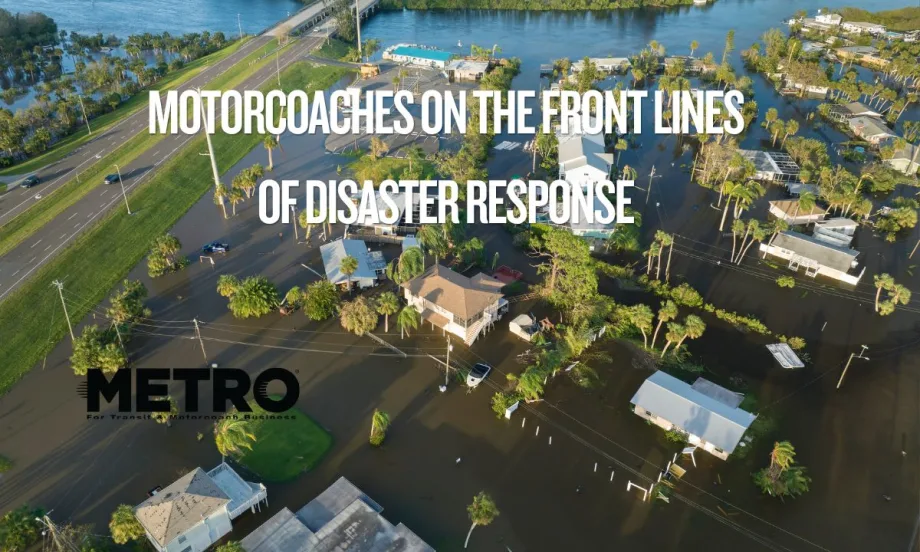
From June through November, hurricane season puts transportation operators along the Gulf and Atlantic coasts to the test.
Storm surges, flooding, and high winds can disrupt operations, damage fleets, and threaten the safety of employees and passengers. While forecasting has improved, resilience ultimately depends on preparation and execution.
For ground transportation providers, an effective hurricane plan centers on a few critical areas:
Leadership & Coordination
Establish a clear chain of command with a designated preparedness coordinator and, if applicable, regional leads. Develop escalation protocols, conduct pre-season reviews, and run tabletop exercises. Activate an operations hub several days before landfall and maintain 24/7 oversight throughout the event.
Facility Readiness
Prepare facilities well before the season by addressing vulnerabilities, securing loose items, and ensuring generators and critical systems are operational. As storms approach, follow a phased checklist: secure assets, backup systems, protect equipment, and complete final walkthroughs before shutdown.
Supplies & Inventory
Stock essential materials, such as flashlights, batteries, radios, first aid kits, and sandbags, and store them in accessible, waterproof containers. Verify and distribute supplies ahead of the storm and conduct a post-event inventory to identify gaps.
Fleet Protection
Position vehicles strategically in open areas away from hazards, document placements for insurance purposes, and relocate units if flooding is a risk.
Evacuation & Staffing
Plan for early evacuation of non-essential personnel and maintain clear communication and tracking. Identify any storm response team in advance and define roles, logistics, and shelter plans.
Operations & Communication
Align expectations with partners and clients before the season. As storms approach, reduce service to essential operations, secure assets, and maintain consistent communication across all channels using pre-scripted updates when possible.
Fuel & Continuity Planning
Top off fuel supplies in advance, coordinate deliveries, and prioritize vehicles needed for recovery efforts.
Recovery & Lessons Learned
Once conditions allow, assess damage, document losses, and begin restoration. Communicate timelines clearly and conduct a post-event review to refine future response plans.
At its core, hurricane preparedness is about discipline and foresight.
The operators who plan early, communicate clearly, and execute consistently are the best positioned ones to protect their people, assets, and operations when the next storm arrives.