




Read More: Caltrain’s Electric Fleet More Efficient than Expected
California Invests $1 Billion in Transportation Infrastructure
California continues to invest in clean energy, bike lanes, and pedestrian projects with funding through the federal Infrastructure Investment and Jobs Act of 2021 and Senate Bill 1 of 2017.
February 3, 2025

California's recent round of infrastructure investments highlights pedestrian facilities and EV charging.
Photo: Canva
2 min to read
The California Transportation Commission (CTC) allocated $1 billion for projects aimed at tackling mobility challenges and continuing efforts to make the highway system more resilient to climate change.
Of the total investment allocated this month nearly $623 million comes from the federal Infrastructure Investment and Jobs Act (IIJA) of 2021. Another $295 million was made available through Senate Bill 1, the Road Repair and Accountability Act of 2017.
Funded Projects
Projects approved include, $15 million for the installation of electric charging infrastructure for electric buses at San Mateo County’s SamTrans system, $9.5 million to help pay for new bike lanes, pedestrian facilities, and other safety upgrades on an 8-mile segment of SR-82 in Santa Clara County, $6 million for the city of Sacramento to build a new light rail station serving Sacramento City College, and $114,000 for service bays needed to maintain a fleet of fuel cell electric buses in Humboldt County.
“These investments will harden the transportation system against the devastating results of extreme weather events,” said Caltrans Director Tony Tavares. “The allocations made today will add to the electric charging infrastructure, increase mobility options for people who walk and bicycle and enhance our goal to improve safety and economic equity for all users.”
Districts that receive funds include District 1 – Eureka receiving $35.9 million, District 2 – Redding receiving $3.17 million, District 4 – Bay Area receiving $252.257 million, District 6 – Fresno receiving $81.23 million, District 9 – Bishop receiving $8.644 million, and District 12 – Orange County receiving $9.624 million.
Benefits of Transit Investments
IIJA is an investment in our nations infrastructure to improve the sustainability and resiliency of the energy, water, broadband, and transportation systems.
So far, California has received nearly $62 billion in federal infrastructure funding. This includes investments to upgrade the state’s roads, bridges, rail, public transit, airports, ports, waterways, and electric vehicle charging. This funding has created more than 170,000 jobs in California.
Senate Bill 1 has invested approximately $5 billion annually toward transportation projects since 2017. It grants a funding split between the state and local agencies. Road projects progress through construction phases more quickly based on the availability of funds, including those partially funded through Senate Bill 1.
More Management
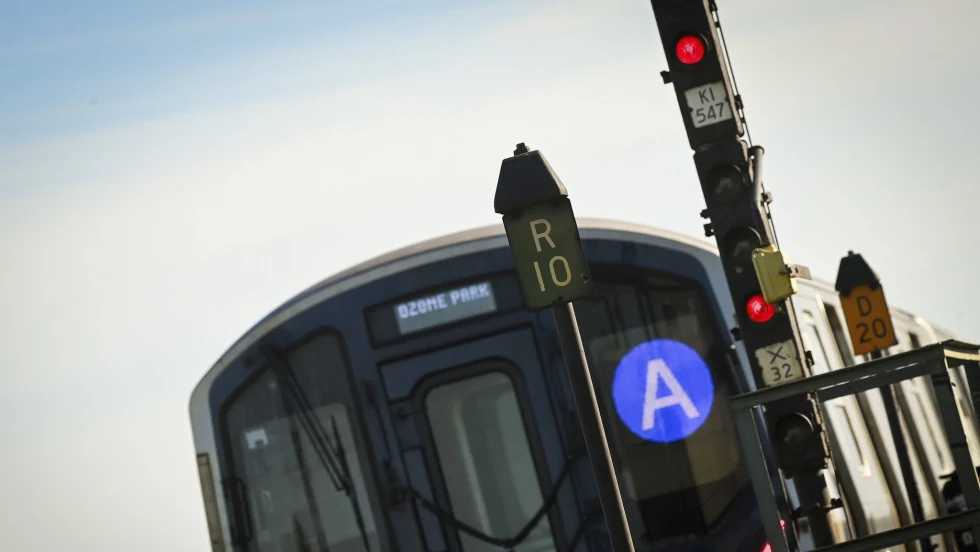
New York MTA Launches Historic $1.9B Signal, Track Modernization Project
Funded in part by congestion pricing revenue, the project will replace nearly century-old signals along the A and C lines in Brooklyn and Queens.
Read More →
Brian Dickson on Building Stronger, More Resilient Transportation Organizations
Bus Business Consultants Founder Brian Dickson discusses the leadership principles, operational discipline, and strategic planning that separate transportation companies positioned for long-term success from those stuck in survival mode.
Read More →
LA Metro Breaks Ground on Vermont BRT Project
The 12.4-mile corridor is projected to serve 66,200 daily riders, reduce travel times by up to 24%, and create the nation's busiest bus rapid transit corridor.
Read More →
Building Stronger Leaders, More Resilient Transit Teams
Dr. Carol Parker Walsh discusses leadership development, employee retention, workplace culture, and preparing transit’s workforce for AI and automation.
Read More →
Roman Cornell on ABC Companies’ Evolution and the Future of Passenger Transportation
The company’s CEO discusses carrying forward a third-generation family legacy, ABC’s continued evolution in passenger transportation, support for increasingly complex fleets, and how technology and continued investment could help operators improve uptime.
Read More →
CATS Launches West Charlotte Microtransit Zone, Expands Transit Services
The new microtransit zone connects residents to key destinations as Charlotte Area Transit System rolls out the first phase of its 2055 Transit System Plan.
Read More →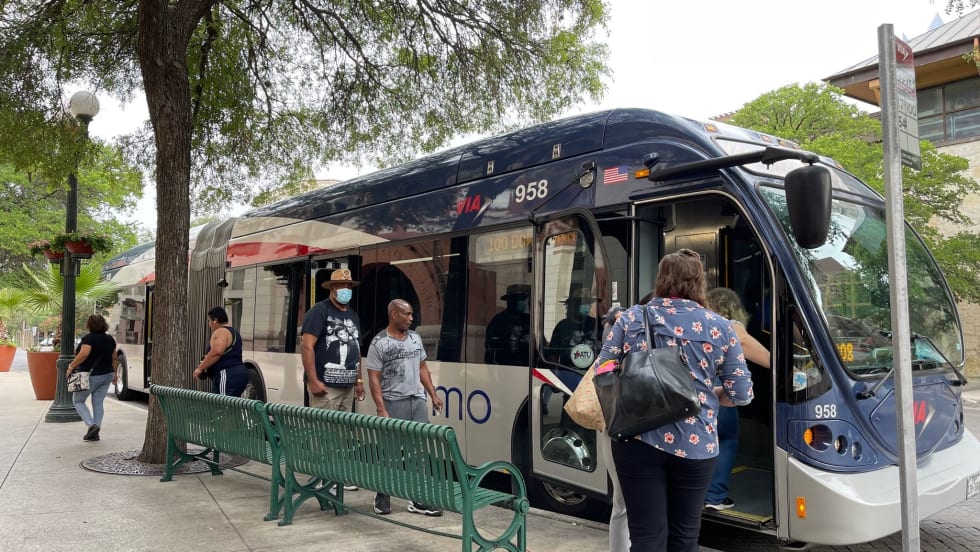
VIA Bus Ridership Grows 10.1% Through August 2026
San Antonio's VIA Metropolitan Transit reported the highest bus ridership growth among major Texas transit systems. Federal Transit Administration data ranked it second among the nation's 50 largest transit systems.
Read More →
CSA Group Releases Climate Resilience Standard for Transit, Passenger Rail
Developed with support from the Standards Council of Canada, CSA D700 guides assessing climate-related risks and planning adaptation measures for transit and passenger rail systems.
Read More →
ETA CEO John Maglio on Transit Technology, Innovation, and Building Agency Trust
ETA founder and CEO John Maglio explores the evolution of transit technology, the importance of reliable systems, and how stronger partnerships can help agencies improve operations and the passenger experience.
Read More →
COTA Launches First Customer Experience Action Plan to Improve Transit Service
The new plan outlines improvements to service reliability, accessibility, communication, and the overall rider experience across Central Ohio's transit system.
Read More →