




Read More: Amtrak, Private Partners Join to Rebuild America’s Railroad, Deliver Infrastructure Investments
Feds to Review California High-Speed Rail Project
With rising cost estimates and delays in completion, the FRA has begun a review of the California High-Speed Rail Project to see if grant obligations are being met.
February 20, 2025
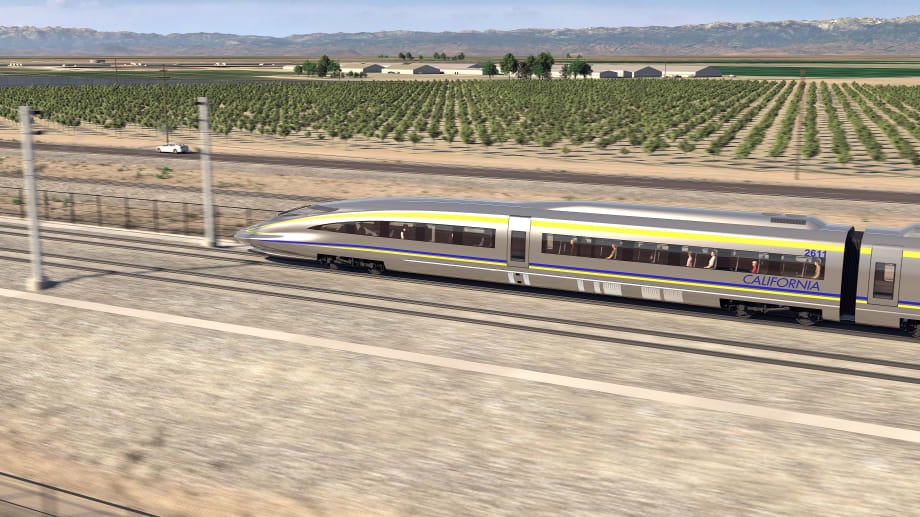
The California High-Speed Rail Authority is under review to determine if they have met the grant obligations agreed to in FRA-administered grants.
Photo: California High-Speed Rail Authority
2 min to read
The California High-Speed Rail Project is being reviewed by the Federal Railroad Administration (FRA) under the direction of Secretary of Transportation Sean P. Duffy.
The review will help determine whether the roughly $4 billion in taxpayer money should remain committed to the proposed project to bring high-speed rail to the California Central Valley between Merced and Bakersfield.
Increasing Costs an Issue
Initially projected for completion by 2020 with a cost of $33 billion, the San Francisco to Los Angeles project has fallen behind those estimations. Currently, the Merced to Bakersfield segment alone is estimated to cost more than the original projection for the entire project.
The latest estimates for the project estimate a cost of $106 billion, more than three times the original estimate.
“For too long, taxpayers have subsidized the massively over-budget and delayed California High-Speed Rail project,” said U.S. Transportation Secretary Sean P. Duffy. “President Trump is right that this project is in dire need of an investigation. That is why I am directing my staff to review and determine whether the CHSRA has followed through on the commitments it made to receive billions of dollars in federal funding. If not, I will have to consider whether that money could be given to deserving infrastructure projects elsewhere in the United States.”
The California High-Speed Rail Office of the Inspector General recently noted that the Merced to Bakersfield segment alone has a funding gap of at least $6.5 billion. The gap remains despite California being due to receive over $4 billion from the Biden administration.
The Inspector General also found that the project has barely a projected ridership of about two million due to its failure to connect California’s larger cities and is unlikely to be completed by 2033.
Project Facing Funding Gap
In March of 2023, the California High-Speed Rail Authority (CHSRA) Peer Review Group evaluated their funding plans and reported an unfunded gap of $92.6 billion to $103.1 billion between estimated costs and known state and federal funding.
The Federal Railroad Administration is investigating the delays and cost overruns through a compliance and performance review.
The Federal Railroad Administration review will examine the CHSRA and the progress made on the Merced to Bakersfield Corridor. The detailed review will also examine the California High-Speed Rail Administration’s compliance with the Federal Railroad Administration grant agreements to determine whether obligations have been fully met.
More Rail
VIA, MBTA Reach Pre-Pandemic Ridership Milestones as Transit Use Climbs
VIA surpasses three million monthly trips for the first time since 2020, while the MBTA tops one million average weekday trips as both agencies report continued ridership growth.

People Movement: Metrolink's Kettle Announces Retirement, Feakins to CEO at UZURV, and More
In this edition, we also cover recent appointments and announcements at King County Metro, SilverRide, and more, showcasing the individuals helping to shape the future of transportation.

How Gen Z's Changing Mobility Habits Are Reshaping Public Transit
As younger generations embrace multimodal mobility over private vehicles, transit agencies can rethink station design, the passenger experience, and public transportation's role in building connected communities.
Amtrak Expands Airo Fleet with Eight Higher-Capacity Trainsets
The new 10-car trains, expected to enter service in 2031, will provide about 34% more seating capacity to meet growing demand on the Northeast Corridor.
APTA Urges FTA to Withdraw Proposed Capital Investment Grants Guidance
The association warns that proposed changes could delay transit projects, reduce federal funding, and create new hurdles for 47 projects currently in the CIG pipeline.

Amtrak, NJ TRANSIT Launch Full Service on New Portal North Bridge
The completion of the two-track bridge over the Hackensack River eliminates a longstanding source of delays for NJ TRANSIT and Amtrak customers. It marks a major milestone for the Gateway Program.
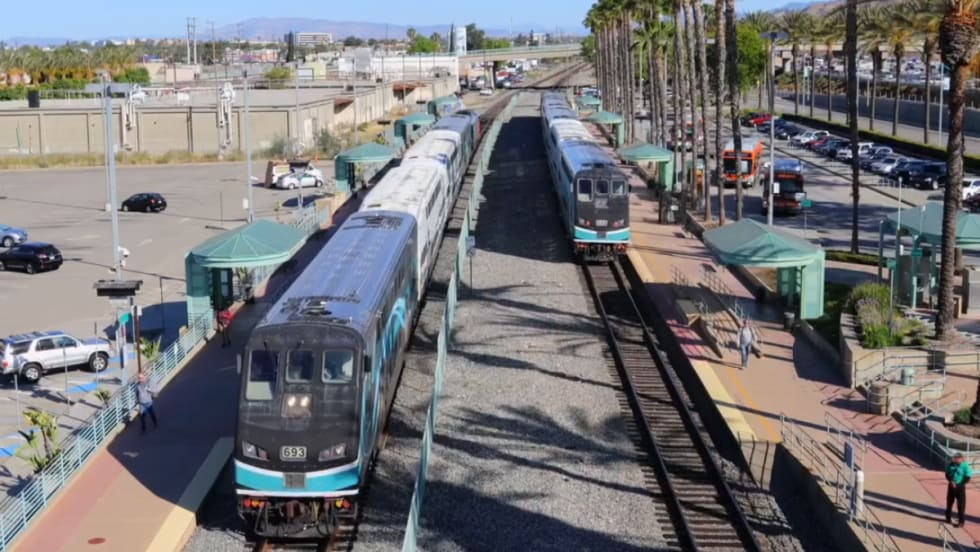
Southern California’s Metrolink Approves $508.8M Budget, Avoids Service Cuts
A $20 million state allocation allows the regional rail agency to maintain existing weekday and weekend service through fiscal year 2028, although longer-term funding challenges remain.
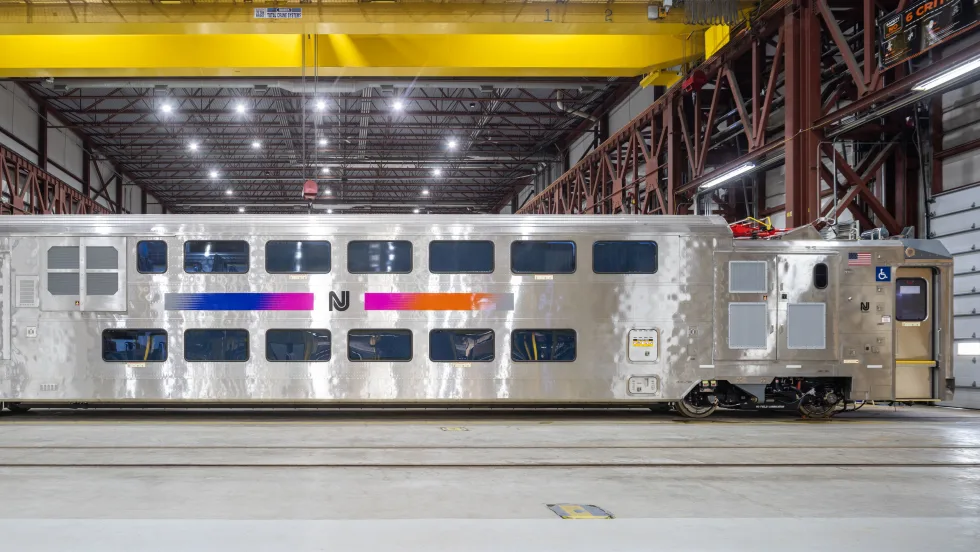
NJ TRANSIT Approves $65.6M for Hudson-Bergen Light Rail Improvements
The funding marks the first phase of a planned $250 million investment over five years to modernize stations, overhaul vehicles, and improve system reliability and passenger safety.
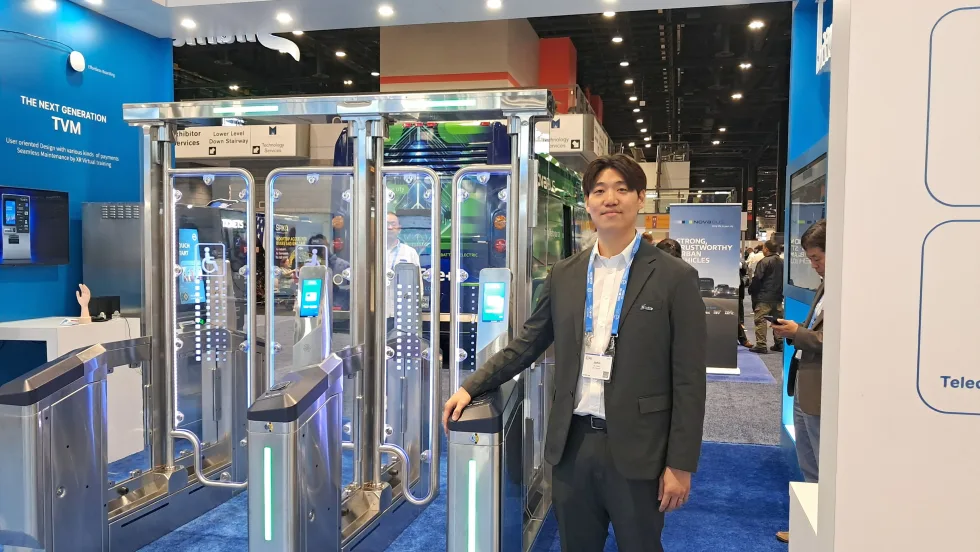
STraffic Expands North American Presence with Fare Collection Technology
John Moon, Associate Director, Product Strategy at STraffic, discusses the company's growth in North America, its efforts to reduce fare evasion, and more.
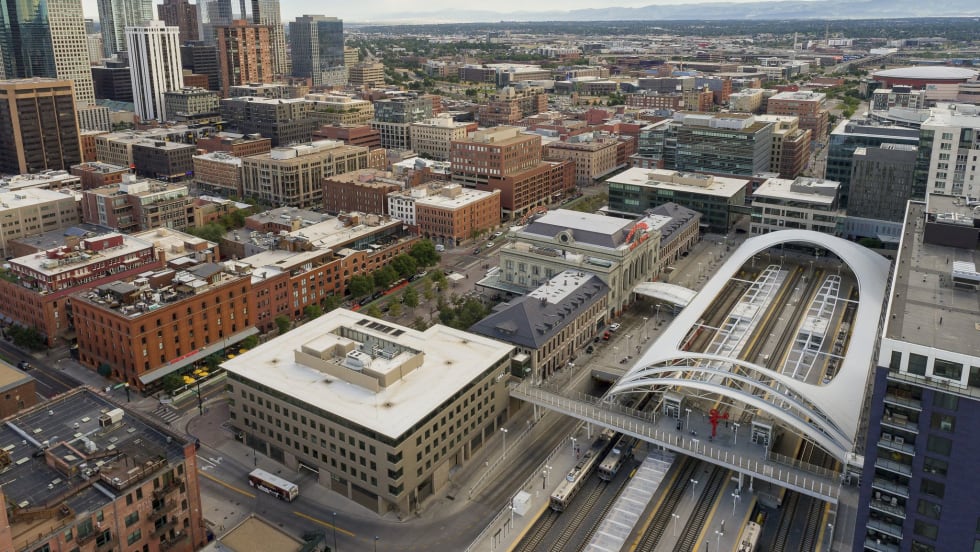
Study: Denver RTD Generates $2.1 Billion in Annual Economic Activity
An economic impact study finds the agency supports approximately 17,500 jobs, delivers $1.6 billion in annual community and mobility benefits, and generates $2.42 in economic value for every dollar invested.