




Read More: New York MTA’s Proposed 2025-2029 Capital Plan Would Contribute Over 70,000 Jobs
Sean Duffy Confirmed as U.S. Secretary of Transportation
Duffy has been confirmed as the 20th U.S. Secretary of Transportation and immediately starts resetting Corporate Average Fuel Economy standards.
January 29, 2025

U.S. Secretary of Transportation Sean Duffy signs his first orders shortly after being sworn into the position.
Photo: U.S. DOT
4 min to read
Sean Duffy has been confirmed as the next U.S. Secretary of Transportation.
The confirmation was made official through a bipartisan vote of 77 to 22, and the American Public Transportation Association (APTA), American Bus Association (ABA), and U.S. High Speed Rail Association (USHER) have released statements congratulating him.
“We look forward to working with Secretary Duffy to ensure that America’s public transit systems remain the backbone of our urban and rural communities and a driver of economic growth and innovation,” said Paul P. Skoutelas, president and CEO of the APTA. “APTA and our more than 1,600 member organizations are committed to working with Secretary Duffy and the Department of Transportation to make a public transportation network that will be the envy of the world, while driving economic growth, creating American jobs, and ensuring the U.S. remains a leader in innovative transportation solutions.”
Duffy’s Career
Secretary Duffy has established a long-standing commitment to transportation policy and infrastructure through his career.
In Congress, he demonstrated an understanding of the challenges and opportunities within the transportation sector.
Duffy comes from Wisconsin and previously represented the state’s seventh district in the U.S. house of representatives from 2011 to 2019.
While in the house, he served as the chairman of the House Financial Services Subcommittee on Oversight and Investigations and was a member of the Subcommittee on Capital Markets and Government-Sponsored Enterprises; the Subcommittee on Financial Institutions and Consumer Credit; and the Subcommittee on Insurance Housing and Community Opportunity.
Before serving in Congress, Duffy was appointed as the Ashland County District Attorney in 2002 where he served three terms.
“Secretary Duffy’s expertise in transportation, infrastructure, and public-private partnerships makes him the right leader at the right time for the Department of Transportation,” said Fred Ferguson, president and CEO of the American Bus Association. “His ability to collaborate with policymakers, industry stakeholders, and communities will be critical to addressing the challenges and opportunities that lie ahead for our nation’s transportation systems.”
USHSR President and CEO Andy Kunz has high hopes for the new Secretary of Transportation, and is ready to work with Secretary Duffy to usher in a new golden age of transportation in America.
“America once led the world in massive projects such as the Transcontinental Railroad, the Interstate Highway System and the Space Program,” said Kunz. “The construction of a nationwide high-speed rail network connecting millions of Americans with 200 mph trains can be our next Moonshot. We stand ready to work with Secretary Duffy to embark on this historic mission to liberate Americans from traffic jams, turbocharge our economy, and build gleaming new transportation infrastructure that is the envy of the world.”
First Action
After being sworn in as the 20th Secretary of the U.S. Department of Transportation (U.S. DOT), Duffy’s first act was signing a memorandum directing staff to start the process of resetting Corporate Average Fuel Economy (CAFÉ) standards.
The memorandum is intended to lower the price of a car for American consumers while also eliminating the electric vehicle mandate.
“We are already hard at work executing the President's vision to usher in a golden age of transportation by taking immediate action to remove government overreach and lower costs for hardworking Americans,” said Duffy. “The memorandum signed today specifically reduces the burdensome and overly restrictive fuel standards that have needlessly driven up the cost of a car in order to push a radical Green New Deal agenda. The American people should not be forced to sacrifice choice and affordability when purchasing a new car.”
The administration believes that, due to the regulations, fuel economy standards have diminished the strength of America’s auto industry. From March 2021 to March 2024 the cost of a car increased by a total of 15.5% from an average of $40,881 to $47,218.
Under current rules, all passenger cars and light trucks must meet a standard of 50.4 miles per gallon in Model Year 2031. The administration believes that this government mandate dramatically increased the average price of new cars.
In addition, in March 2024 of the 275 new-vehicle models available for purchase, only eight had prices below $25,000 while in March 2021 more than 20 vehicles were below $25,000
Grant Pause
This conformation comes after the White House issued a memorandum (M-25-13) that temporarily pauses all federal government grants and loans, including those through the U.S. DOT. The memorandum has since been rescinded by the White House
The memorandum required all federal agencies to identify and review all financial assistance programs to ensure they align with President Trump’s policies and requirements that have been established through executive orders.
The U.S. DOT would have had to determine how to apply these directives to their programs, including the Federal Transit Administration and Federal Railroad Administration grants and loans.
The memorandum was rescinded after U.S. District Judge Loren L. AliKhan ordered a temporary stay of the order until February 3 minutes prior to it taking effect on Tuesday evening.
More Management

STraffic Expands North American Presence with Fare Collection Technology
Deck: John Moon, Associate Director, Product Strategy at STraffic, discusses the company's growth in North America, its efforts to reduce fare evasion, and more.
Read More →
Study: Denver RTD Generates $2.1 Billion in Annual Economic Activity
An economic impact study finds the agency supports approximately 17,500 jobs, delivers $1.6 billion in annual community and mobility benefits, and generates $2.42 in economic value for every dollar invested.
Read More →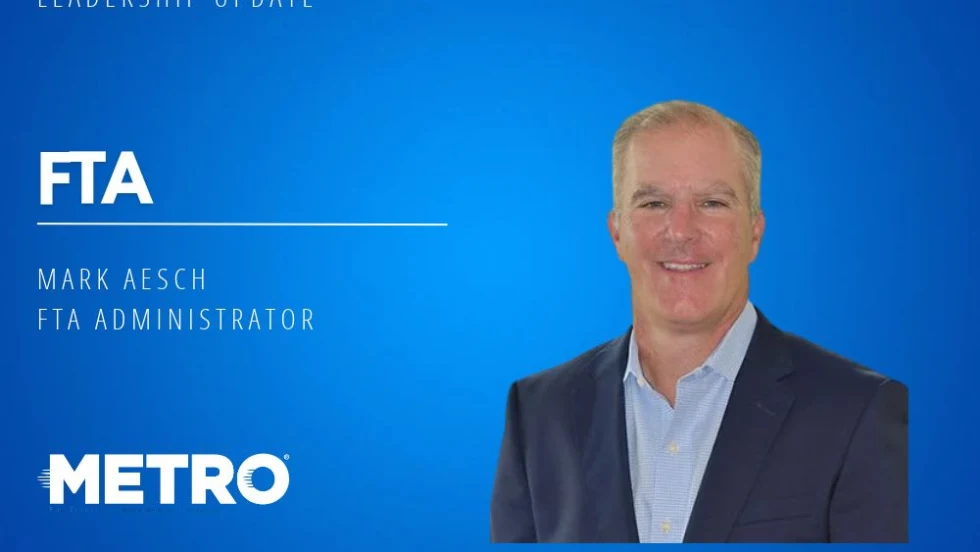
Mark Aesch Nominated to Lead Federal Transit Administration
The former Rochester transit chief and TransPro founder, who has also contributed to METRO Magazine, brings decades of industry experience and a focus on performance, accountability, and financial sustainability to the nomination.
Read More →
Best and Worst U.S. Cities for Public Transportation in 2026
A new analysis of 50 major U.S. urban areas ranks public transit systems based on accessibility, affordability, usefulness, and safety, highlighting where transit performs best and where challenges remain.
Read More →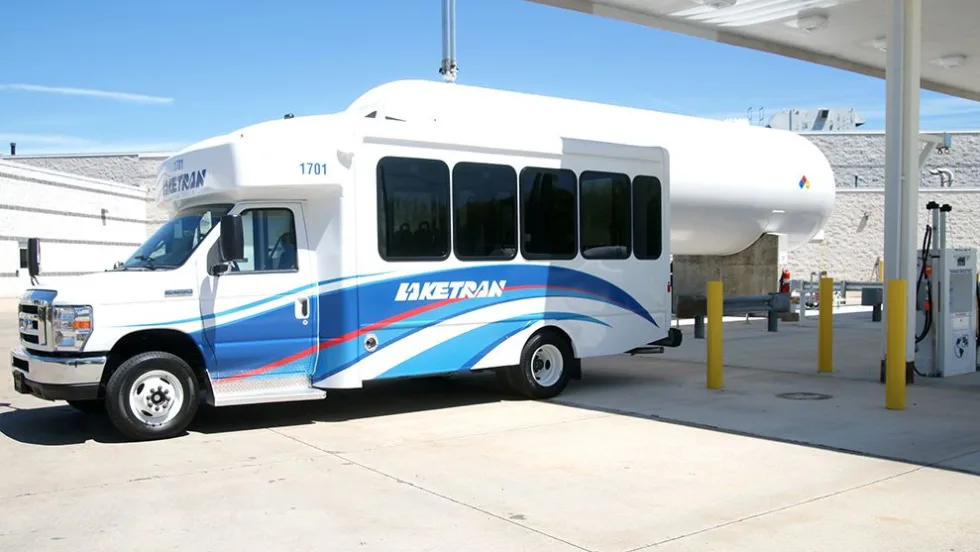
Laketran Cuts Fuel Costs, Boosts Efficiency with Propane-Powered Fleet
The Ohio transit agency is using propane-powered vehicles and on-site fueling infrastructure to cut fuel and maintenance costs while meeting growing demand for paratransit services.
Read More →
Canada’s Public Transit Supports $65.6 Billion in Annual GDP
New research from the Canadian Chamber of Commerce examines transit's economic contributions, including job creation and the financial implications of transportation investment.
Read More →
Pierce Transit Moves to Expand Fleet Following Proposition 1 Approval
The agency authorized the purchase or refurbishment of up to 60 buses to support a 47% service expansion, as voters nationwide approved billions in new transit funding.
Read More →
Right-Sizing Rural Transit: Lessons from North Grenville’s On-Demand Model
A small municipality shows how flexible service, rider needs, and public accountability can expand mobility with limited resources.
Read More →
Transit Ballot Victories Signal Strong Voter Support: What Comes Next?
Voters approved billions in public transportation investments in 2026, giving agencies opportunities to preserve service, expand operations, and strengthen regional connections amid a changing political landscape.
Read More →
Transit Expands Agency Partnerships, Reaching 200 Official App Partners
COO Jake Sion discusses Transit’s growth, the success of its Transit Royale program, and how technology is helping agencies improve the rider experience.
Read More →