



Pennsylvania Transit Agencies Approve Contingency Budgets Amid State Funding Uncertainty
PRT and SEPTA adopt FY26 budgets with deep service cuts and fare hikes unless new state funding is secured.

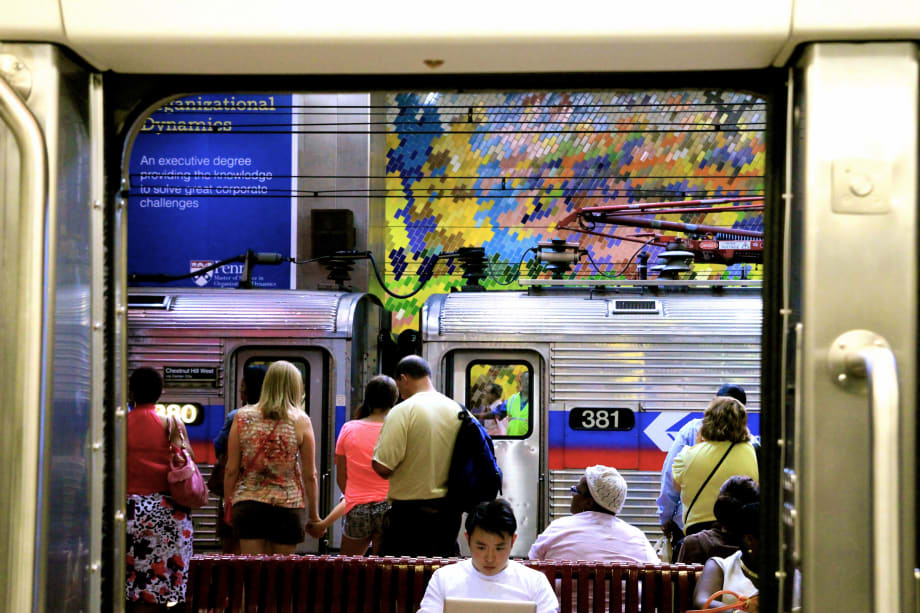
SEPTA service reductions are scheduled to begin August 24 with the elimination of 32 bus routes and a reduction in rail services.
Photo: SEPTA
Pennsylvania's two largest transit agencies, Pittsburgh Regional Transit (PRT) and SEPTA, have adopted their Fiscal Year 2026 budgets despite a growing transit funding crisis.
Both agencies are facing severe service cuts and fare hikes unless the state legislature acts to provide new, sustainable funding before July 1.
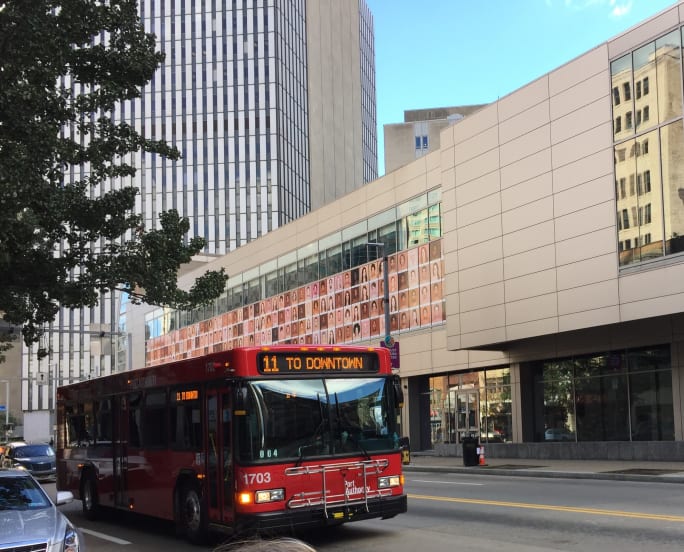
At its recent board meeting, Pittsburgh Regional Transit approved a $539.3 million operating budget and a $187.9 million capital budget for FY26.
Photo: PRT
PRT Passes Budget with Potential Service Cuts and Fare Increases
At its recent board meeting, Pittsburgh Regional Transit approved a $539.3 million operating budget and a $187.9 million capital budget for FY26. The operating plan includes contingencies for a 35% service reduction and a 9.9% fare increase, though PRT officials emphasized these changes are not finalized.
PRT CEO Katharine Kelleman clarified that the budget was designed to meet legal requirements under the Second Class County Port Authority Act, allowing the agency to maintain compliance while retaining flexibility to amend the budget later, depending on state funding outcomes.
“The board is simply giving us a balanced budget within the required deadline,” said Kelleman. “We remain hopeful for a long-term solution to fund public transit.”
Despite fiscal pressure, the capital budget continues to support critical infrastructure needs, including $38 million for new buses, $16.1 million to rehabilitate the Panhandle Bridge, and $15 million for replacing tracks in the Mt. Lebanon Transit Tunnel.
Kelleman thanked board members, state legislators, employees, and riders for their support and reaffirmed PRT’s commitment to working with state leaders to secure reliable, long-term public transit investment.
SEPTA Approves Drastic Cuts, Fare Hike Without New State Funding
On the same day, the SEPTA board voted to approve a FY26 operating budget that includes a 45% cut in transit service and a 21.5% average fare hike to fill a $213 million recurring deficit — moves that agency leaders describe as devastating but necessary without additional state support.
“This is a vote none of us wanted to take,” said SEPTA Board Chair Kenneth E. Lawrence Jr. “To be clear, this does not have to happen — if state lawmakers can reach an agreement to deliver sufficient, new funding for public transit.”
Service reductions are scheduled to begin August 24 with the elimination of 32 bus routes and a reduction in rail services.
On September 1, fares will increase across the board, raising the base fare for Bus and Metro to $2.90, tying New York’s MTA for the highest in the country.
Additional cuts, including eliminating five Regional Rail lines and a 9 p.m. curfew on remaining rail service, will begin January 1.
“This budget will effectively dismantle SEPTA,” GM Scott A. Sauer said. “Once this dismantlement begins, it will be almost impossible to reverse.”
SEPTA cited multiple causes for the shortfall, including the expiration of federal COVID-19 relief funds, rising operating costs, inflation, and growing expenses tied to public safety and homelessness.
Despite aggressive cost-cutting measures — such as freezing management pay, suspending third-party consulting, and generating new revenue from fare increases and parking — SEPTA faces a massive budget gap that only state action can close.
The authority also approved a capital budget that defers $2 billion in projects, notably delaying key accessibility upgrades that would benefit millions of riders.
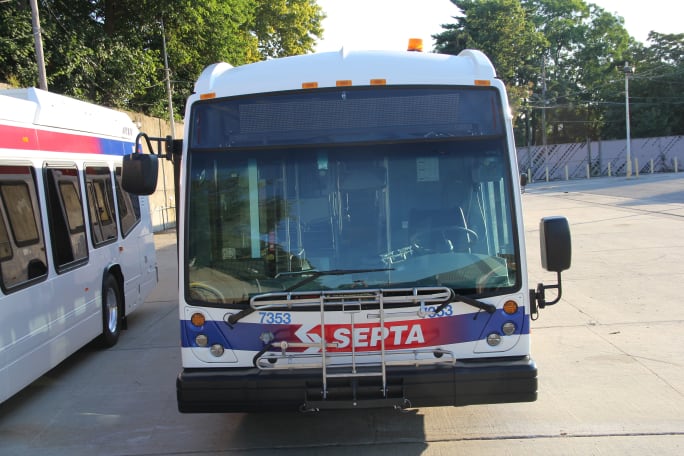
SEPTA cited multiple causes for the shortfall, including the expiration of federal COVID-19 relief funds, rising operating costs, inflation, and growing expenses tied to public safety and homelessness.
Photo: SEPTA
Statewide Stakes and Ongoing Advocacy
Both PRT and SEPTA underscored that the budgets passed are contingency plans.
With Gov. Josh Shapiro’s proposed transit funding package advancing in the Pennsylvania House, negotiations continue in Harrisburg. Transit leaders across the state are urging swift action to avert what could become the most significant service rollback in recent memory.
“Our region’s future depends on transit,” said PRT’s Kelleman.
“The economic and social impacts will be immediate and long-lasting,” added SEPTA’s Sauer.
Without legislative action, riders across Pennsylvania could soon face steep fare increases, reduced mobility, and growing barriers to opportunity.
More Management

METRO Opens Submissions for 2026 Motorcoach Awards
Nominations are now being accepted for METRO Magazine’s Operator of the Year and Innovative Operator of the Year awards.
Read More →
New York MTA Advances Final Contract for Second Avenue Subway Expansion
Contract Four is the largest in the Second Avenue Subway Phase 2 project and includes construction of station infrastructure, tracks, and signals for the subway expansion, MTA officials said. Work on Contract Four will begin in 2027.
Read More →
Transit Agencies Highlight Safety Gains at National Summit
Leaders from 15 major transit systems shared crime-reduction results and safety initiatives while discussing the role of continued federal support.
Read More →

NITA Names New Leadership, Expands Reduced-Fare Program at First Board Meeting
The new regional transit authority appointed its first board chair and interim executive director while extending reduced fares across CTA, Metra, and Pace for eligible riders.
Read More →
Beyond the Checklist: A Structured Approach to Transit Maintenance
Reliability-Centered Maintenance helps transit agencies move beyond routine checklists to focus limited resources on the assets and failures that have the greatest impact on safety, reliability, and service.
Read More →
APTA 2026 Nominating Committee Selects Leadership Slate, Names Chair and Vice Chair Nominees
Leadership changes will help shape the association’s priorities and its representation of the transportation industry during the 2026–2027 term.
Read More →
DART Launches Major Security, Fare Enforcement Initiative
The 90-day demonstration will deploy coordinated security teams at five light rail stations while testing controlled access and gathering data to guide future investments.
Read More →
Advancing Fare Collection Through Technology and Innovation
Learn about delivering 1300 gates at 91 stations while managing fare evasion. Explore the large scale deployment, solution customization and real-world results that affect the region. Prepare for deployment in your region now.
Read More →
Game Day in Motion: Moving Millions During the 2026 World Cup
Between packed transit stations and team motorcoaches, see how agencies and operators across North America tackled the transportation demands of the 2026 FIFA World Cup.
Read More →
Surface Transportation Extension Averts Shutdown, Leaves Transit Funding Gap
The stopgap keeps federal transportation programs moving, but missing advance funding could complicate the transit and rail projects agencies are planning next.
Read More →