



Pittsburgh Regional Transit CEO Urges Lawmakers to Avert Transit Funding Crisis
Pittsburgh Regional Transit faces a funding cliff that could lead to reduced services if the state does not intervene. PRT CEO Katharine Kelleman recently urged local lawmakers to take action.


Pittsburgh Regional Transit may need to reduce services if the state does not provide additional funding to help it overcome the financial cliff.
Photo: METRO/Canva
Pittsburgh Regional Transit (PRT) CEO Katharine Kelleman gave an urgent testimony today before the Pennsylvania Senate Democratic Policy Committee during a hearing on the future of mass Transit in Western Pennsylvania.
Kelleman’s testimony painted a clear and sobering picture of the fiscal cliff facing PRT and transit systems statewide.
PRT faces a structural deficit that could require severe service cuts and fare hikes as soon as February 2026 without state funding.
“Public transit is not a luxury—it’s a necessity,” said Kelleman. “It connects people to jobs, healthcare, education, and opportunity. If we don’t act now, the consequences will ripple across our entire economy and community.”
Changes that Could Come
To maintain current service levels over the next decade, PRT estimates it will need an additional $117 million in annual state funding.
Without the funding, the agency may be forced to:
Cut 35% of its bus and light rail service, including all service after 11 p.m.
Raise fares by 9%, making it one of the most expensive transit systems in the nation.
Scale back ACCESS paratransit service that is relied upon by seniors and people with disabilities.
This is not where any of us want to be, but this is what we will be able to afford," Kelleman said.
Kelleman emphasized that this crisis is not unique to Pittsburgh. Transit agencies across Pennsylvania are or will soon face similar financial cliffs.
Agencies outside of Pennsylvania, such as those based in Chicago, Illinois, are also faced with similar situations.
Transit is foundational to Pennsylvania’s economy, and Kelleman cited that every $1 invested in transit generates $4 in economic returns while also supporting thousands of jobs and local businesses.
“Transit is not and should not be an optional priority—it is a foundational one,” Kelleman concluded. “We cannot afford to let public transit fail. The future of our economy, our communities, and our people depends on it.”
More Management
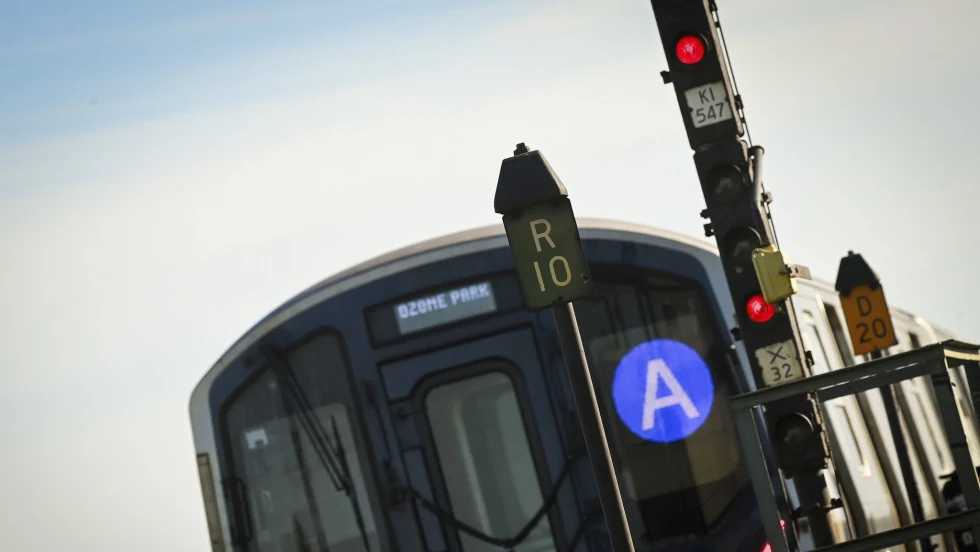
New York MTA Launches Historic $1.9B Signal, Track Modernization Project
Funded in part by congestion pricing revenue, the project will replace nearly century-old signals along the A and C lines in Brooklyn and Queens.
Read More →
Brian Dickson on Building Stronger, More Resilient Transportation Organizations
Bus Business Consultants Founder Brian Dickson discusses the leadership principles, operational discipline, and strategic planning that separate transportation companies positioned for long-term success from those stuck in survival mode.
Read More →
LA Metro Breaks Ground on Vermont BRT Project
The 12.4-mile corridor is projected to serve 66,200 daily riders, reduce travel times by up to 24%, and create the nation's busiest bus rapid transit corridor.
Read More →
Building Stronger Leaders, More Resilient Transit Teams
Dr. Carol Parker Walsh discusses leadership development, employee retention, workplace culture, and preparing transit’s workforce for AI and automation.
Read More →
Roman Cornell on ABC Companies’ Evolution and the Future of Passenger Transportation
The company’s CEO discusses carrying forward a third-generation family legacy, ABC’s continued evolution in passenger transportation, support for increasingly complex fleets, and how technology and continued investment could help operators improve uptime.
Read More →
CATS Launches West Charlotte Microtransit Zone, Expands Transit Services
The new microtransit zone connects residents to key destinations as Charlotte Area Transit System rolls out the first phase of its 2055 Transit System Plan.
Read More →
VIA Bus Ridership Grows 10.1% Through August 2026
San Antonio's VIA Metropolitan Transit reported the highest bus ridership growth among major Texas transit systems. Federal Transit Administration data ranked it second among the nation's 50 largest transit systems.
Read More →
CSA Group Releases Climate Resilience Standard for Transit, Passenger Rail
Developed with support from the Standards Council of Canada, CSA D700 guides assessing climate-related risks and planning adaptation measures for transit and passenger rail systems.
Read More →
ETA CEO John Maglio on Transit Technology, Innovation, and Building Agency Trust
ETA founder and CEO John Maglio explores the evolution of transit technology, the importance of reliable systems, and how stronger partnerships can help agencies improve operations and the passenger experience.
Read More →
COTA Launches First Customer Experience Action Plan to Improve Transit Service
The new plan outlines improvements to service reliability, accessibility, communication, and the overall rider experience across Central Ohio's transit system.
Read More →