




Clear the Way:How Bus Lane Automation Can Improve City Transit
King County and City of Seattle to Increase Metro’s Safety and Security Presence
The $26 million proposal would boost metro security with more officers, safer buses, and SaFE Ambassadors for riders across Seattle and King County.
July 1, 2025
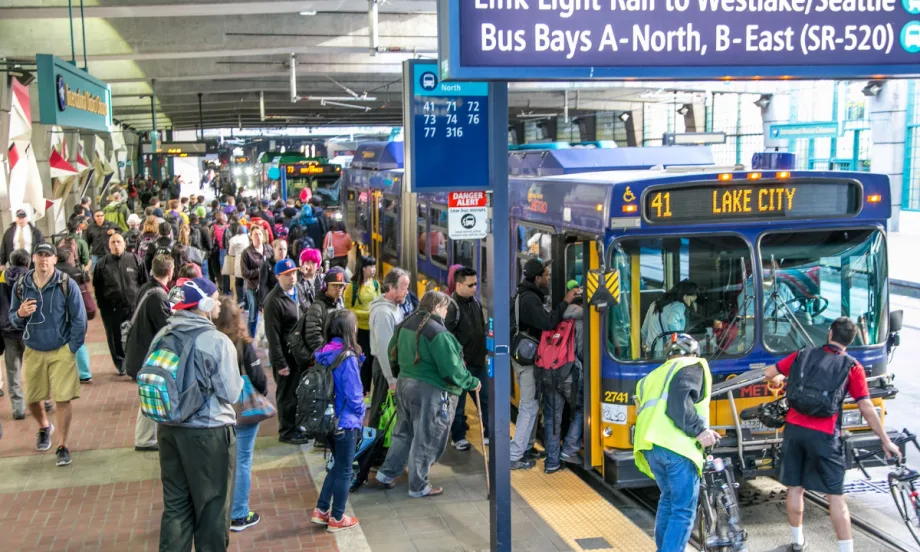
The proposed budget was sent to the King County Council on May 29, including $26.1 million in safety and security investments for King County Metro.
Photo: King County Metro
3 min to read
In an effort to strengthen transit safety and security in King County, Executive Shannon Braddock proposed a 2025 supplemental budget with funding support from the City of Seattle.
The proposed budget was sent to the King County Council on May 29, including $26.1 million in safety and security investments for King County Metro to fund more Transit Police and Transit Security Officers across its regional network. The budget also funds larger and stronger operator safety partitions for all buses.
The City of Seattle will contribute $5 million in voter-approved funding to the agency's transit safety and security efforts in 2025. These investments are from the Seattle Transportation Levy and the Seattle Transit Measure, $2 million of which was championed by City Councilmembers Rob Saka and Dan Strauss in the 2025 City budget process.
“Since 2023, King County Metro has dramatically increased our ridership, adding more than 10 million passengers,” Executive Braddock said. “This supplemental budget will fund more metro transit police and Transit Security Officers to deliver a safe and welcoming environment, which all our customers and employees deserve. In partnership with the City of Seattle, we are also bolstering the successful metro SaFE Ambassadors program to add more locations to support our riders and community members.”
“Safe and reliable public transit is essential to achieving our One Seattle vision for everyone to be able to travel freely and confidently across our city. Transit connects people to essential services, jobs, fun, and each other, but that is only possible if riders and operators are safe,” said Mayor Bruce Harrell.
Adding More Police and Security Officers
If approved, the King County supplemental budget would increase the number of transit police deputies by 10, totaling 89 when fully staffed.
“We don’t have a recruiting problem at Metro Transit Police,” said Metro Transit Major Todd Morrell. “Oftentimes, we are the work site of choice. A recent King County employee survey showed metro deputies were extremely satisfied and happy with their jobs. This will certainly help attract future applicants, which will, in turn, allow us to succeed in our mission of proactive and highly visible patrols that ensure the safety of anyone who rides the bus or streetcar.”
The countywide supplemental budget — supported by resources from the City of Seattle — would also fund the recent increases in the number of transit security officers, which has risen steadily from 60 in 2021 to 220 as of April 2025.
Separate from funding in the county’s supplemental budget, the city also invested $3 million in Seattle Transit Measure funding toward safety and security on Seattle-funded bus routes and the Seattle Streetcar.
In 2025, SDOT had Metro Transit Police begin serving as the streetcar’s primary law enforcement agency, increasing the security presence and creating a consistent rider experience across transit services in Seattle.
Providing Directions and Rider Support
$1 million in SDOT funding from the Seattle Transit Measure was approved to support the SaFE Ambassadors program, which was born of the SaFE Reform work launched in 2021.
SaFE Ambassadors, wearing easy-to-spot blue jackets, answer questions and support riders. Currently deployed in the Central District, Mount Baker, and Renton, the program expanded this year to add more ambassadors to Rainier Valley and the University District, partly thanks to the city’s investments.
“At King County Metro, we’re driven to serve our community members and to be your favorite way to travel,” said King County Metro General Manager Michelle Allison. “We’re appreciative to Executive Braddock, Mayor Harrell, and other leaders and partners for supporting our metro riders and employees.
The King County Council is expected to take final action on Executive Braddock’s proposed supplemental budget next month.
More Management
Castro to Lead RTC of Southern Nevada and More in People Movement
In this edition, we also cover recent appointments and announcements at the STV, MCI, and more, showcasing the individuals helping to shape the future of transportation.
Read More →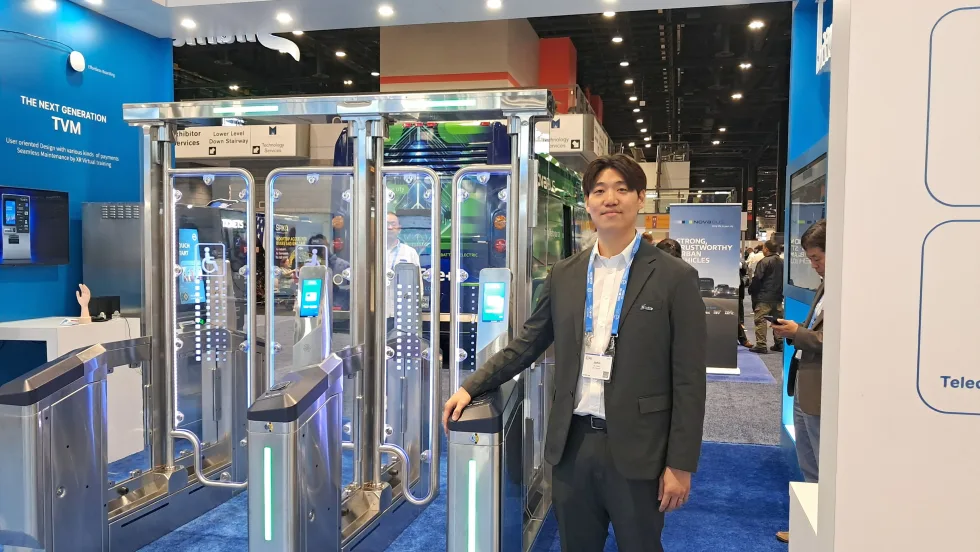
STraffic Expands North American Presence with Fare Collection Technology
John Moon, Associate Director, Product Strategy at STraffic, discusses the company's growth in North America, its efforts to reduce fare evasion, and more.
Read More →
Study: Denver RTD Generates $2.1 Billion in Annual Economic Activity
An economic impact study finds the agency supports approximately 17,500 jobs, delivers $1.6 billion in annual community and mobility benefits, and generates $2.42 in economic value for every dollar invested.
Read More →
Mark Aesch Nominated to Lead Federal Transit Administration
The former Rochester transit chief and TransPro founder, who has also contributed to METRO Magazine, brings decades of industry experience and a focus on performance, accountability, and financial sustainability to the nomination.
Read More →
Best and Worst U.S. Cities for Public Transportation in 2026
A new analysis of 50 major U.S. urban areas ranks public transit systems based on accessibility, affordability, usefulness, and safety, highlighting where transit performs best and where challenges remain.
Read More →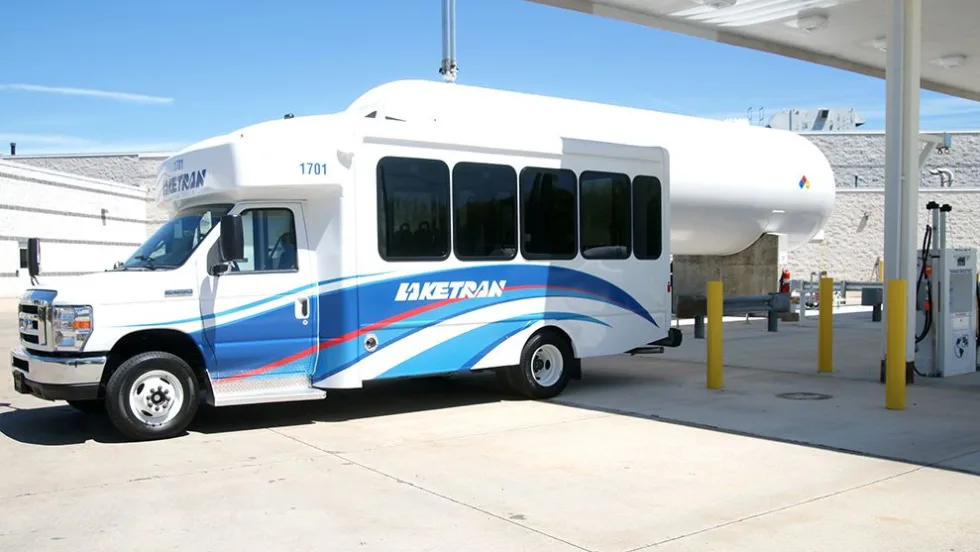
Laketran Cuts Fuel Costs, Boosts Efficiency with Propane-Powered Fleet
The Ohio transit agency is using propane-powered vehicles and on-site fueling infrastructure to cut fuel and maintenance costs while meeting growing demand for paratransit services.
Read More →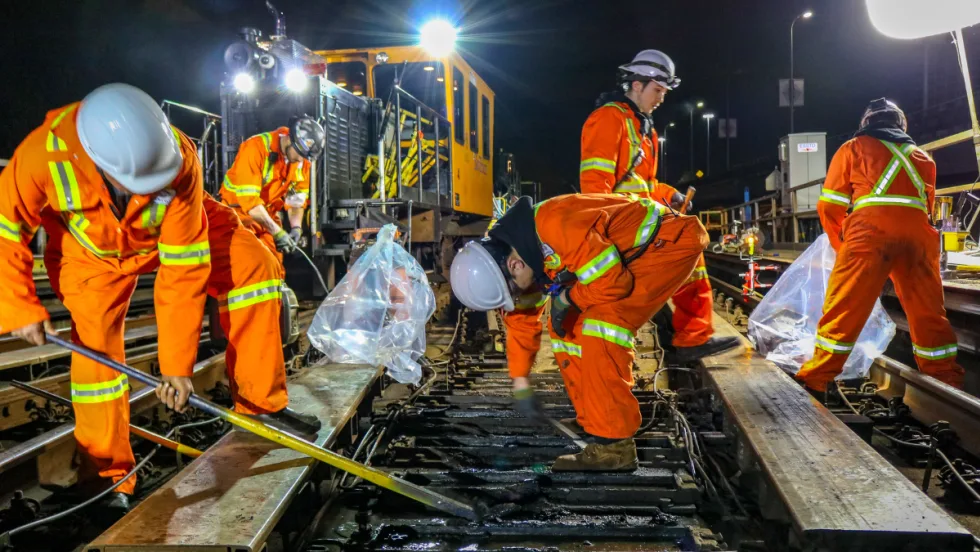
Canada’s Public Transit Supports $65.6 Billion in Annual GDP
New research from the Canadian Chamber of Commerce examines transit's economic contributions, including job creation and the financial implications of transportation investment.
Read More →
Pierce Transit Moves to Expand Fleet Following Proposition 1 Approval
The agency authorized the purchase or refurbishment of up to 60 buses to support a 47% service expansion, as voters nationwide approved billions in new transit funding.
Read More →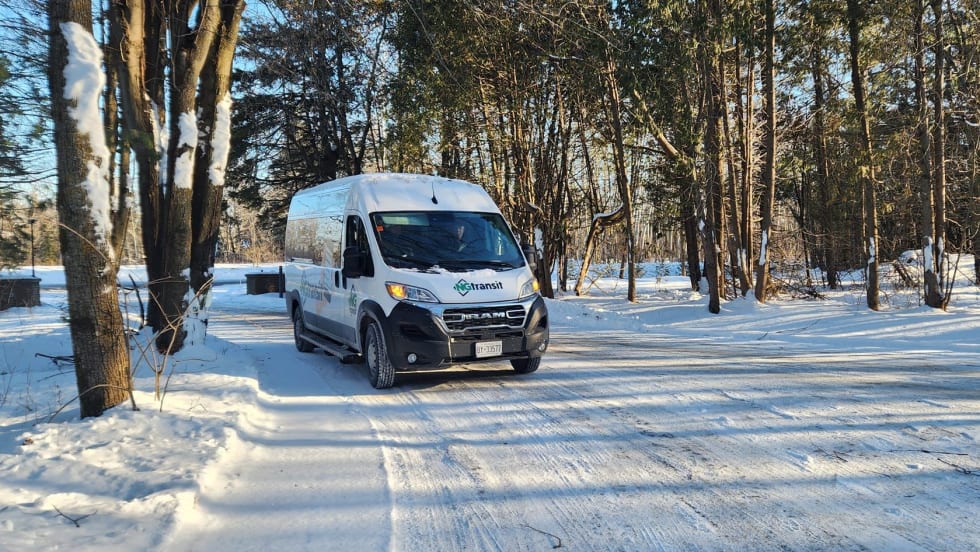
Right-Sizing Rural Transit: Lessons from North Grenville’s On-Demand Model
A small municipality shows how flexible service, rider needs, and public accountability can expand mobility with limited resources.
Read More →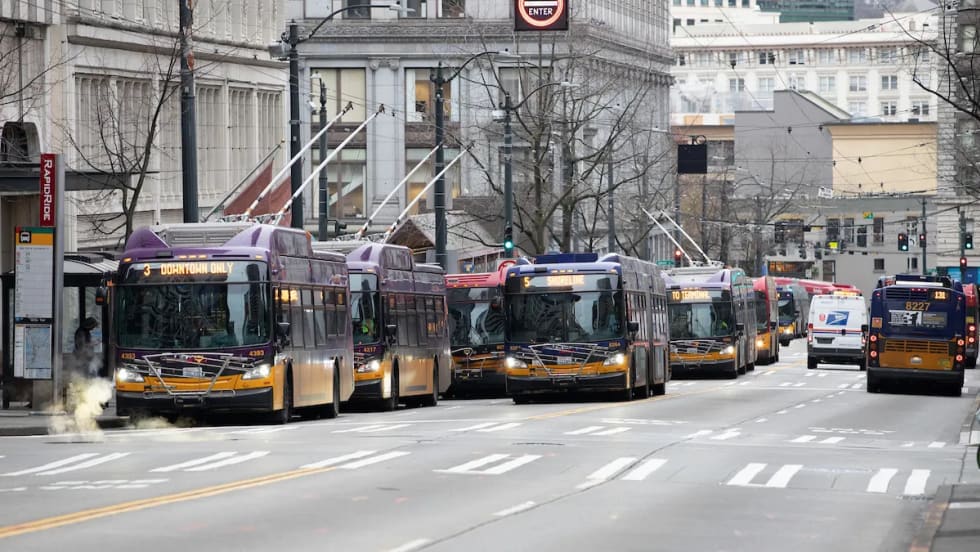
Transit Ballot Victories Signal Strong Voter Support: What Comes Next?
Voters approved billions in public transportation investments in 2026, giving agencies opportunities to preserve service, expand operations, and strengthen regional connections amid a changing political landscape.
Read More →