Seattle's King County Metro Adding New Bus Services
Starting Sept. 14, King County Metro is expanding evening and weekend transit service and launching its eighth RapidRide — the G Line — which will provide fast and frequent service through downtown Seattle, First Hill, Capitol Hill, the Central District, and Madison Valley.
The RapidRide G Line project and Sound Transit’s Link 1 Line expansion north to four new stations represent more than $3.1 billion in public transportation investments.
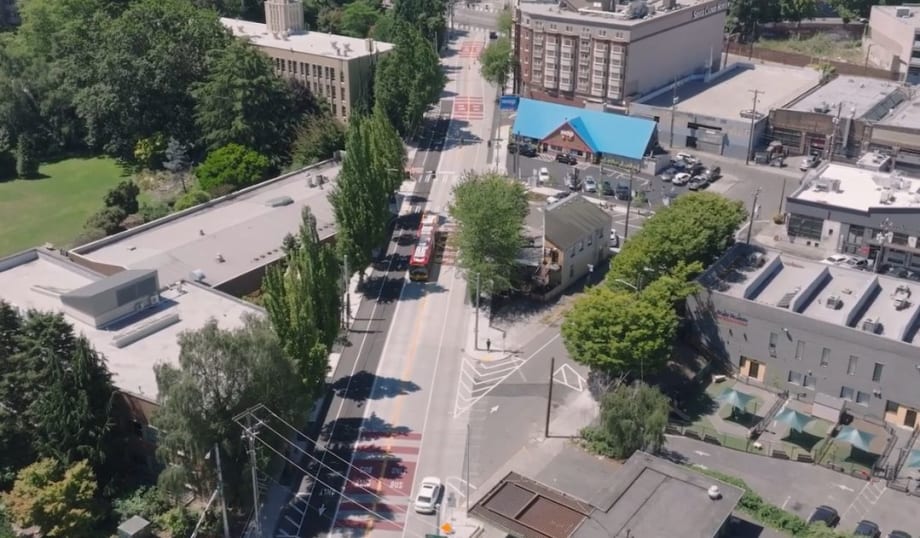
Photo: Screenshot from King County Metro
4 min to read
Seattle’s King County Metro is increasing transit service this fall, including adding over 3,700 new bus trips each week, launching the RapidRide G Line in Seattle, connecting buses to new Sound Transit light rail stations, and expanding Metro Flex to Northshore.
Starting Sept. 14, King County Metro is expanding evening and weekend transit service and launching its eighth RapidRide — the G Line — which will provide fast and frequent service through downtown Seattle, First Hill, Capitol Hill, the Central District, and Madison Valley.
Ad Loading...
Investing in Public Transportation
The RapidRide G Line project and Sound Transit’s Link 1 Line expansion north to four new stations represent more than $3.1 billion in public transportation investments.
Along with enhanced bus service upgrades, these new services will strengthen rider connections and expand the transit network.
“With the continuous improvement and expansion of our integrated transit network we are delivering on our commitment of frequent, safe, reliable transportation options for everyone,” said County Executive Dow Constantine.”
Metro is increasing the number of weekday bus trips by nearly 5%, providing 11,235 daily bus trips starting in mid-September. There will also be 8% more bus trips offered on weekends — climbing to 8,241 on Saturdays and 7,649 on Sundays.
The Rapid G Line
The new RapidRide line will offer around-the-clock service, with buses arriving as frequently as every six minutes during most of the day Monday through Saturday.
Ad Loading...
The RapidRide G Line – Madison Street project includes funding from the Seattle Department of Transportation (SDOT) and the voter-approved Move Seattle Levy.
Additional funding was provided by the Federal Transit Administration, Sound Transit, King County Metro, and the state legislature. Funds from the voter-approved Seattle Transit Measure also support Metro bus service on select routes in Seattle.
In partnership with Metro, the City of Seattle built key features for the RapidRide G Line to enhance safety, including:
Eight miles of red bus lanes.
36 intersections with upgraded traffic signals and new center boarding platforms for easy all-door boarding on both sides of the bus.
Approximately 50 blocks of improved sidewalks and 25 new ADA-accessible curb ramps.
Metro and SDOT worked closely to prioritize equity by supporting underserved communities. The Seattle Transit Measure funding was reinvested in the Madison Street area and Lynnwood Link Connections mobility projects.
Ad Loading...
The fall 2024 service changes also include Seattle Transit Measure investments.
“Ridership is climbing and we’re adding more transit service on Sept. 14 to meet that demand,” said King County Metro GM Michelle Allison. “The launch of the RapidRide G Line, more than 3,700 additional bus trips each week, and new connections to the fast-expanding Link light rail network are fantastic news for our riders and our region. These changes are the result of the trust we built with our riders, listening carefully as they guided us on what service they want and need. We’re grateful for their partnership, and to the hundreds of thousands of people who take Metro every day.”
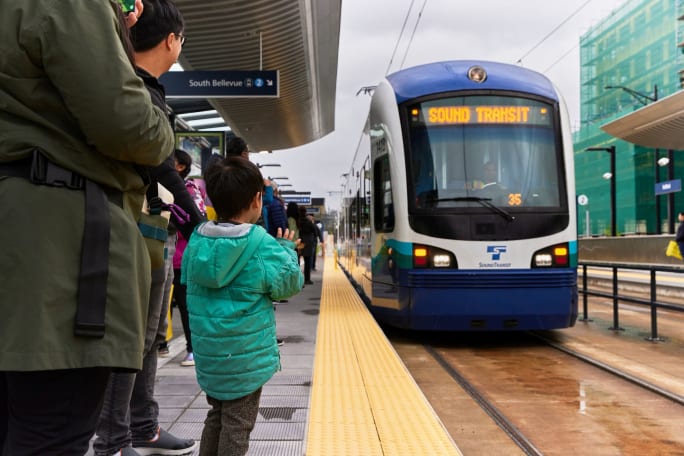
New King County Metro service will include east-west connections to new Link 1 Line stations and expanded evening and weekend service.
Photo: Sound Transit
Lynwood Link to Increase Bus-Train Travel
Riders from north Seattle, Shoreline, and Snohomish County will have new Link 1 Line service starting Aug. 30 when Sound Transit extends light rail service 8.5 miles between Northgate and Lynnwood, opening four new stations.
Metro will upgrade and integrate new bus service, adding three new bus routes, revising nine routes, and replacing 10 routes. The new network will include east-west connections to new Link 1 Line stations and expanded evening and weekend service.
Metro worked with riders and the community, including the Lynnwood Link Mobility Board to guide and develop these updates. Riders have consistently benefited from integrated bus and rail network extensions, providing Metro customers with more frequent and reliable transit connections across the region.
Ad Loading...
New On-Demand Service
Metro is also introducing a new, on-demand Metro Flex service area in Northshore, serving riders in Lake Forest Park, north Kenmore, Brier, and southeast Mountlake Terrace.
Service will connect riders to the Sound Transit Link 1 Line service at the new Mountlake Terrace Station, along with community destinations, schools, and other locations.
Northshore is the ninth area Metro Flex will serve.
The agency is seeking manufacturers for 650 new CNG buses to replace aging vehicles, improve reliability, and advance its broader fleet modernization strategy.
John Hroncich discusses BAE Systems’ modular and scalable approach, lessons learned from decades of real-world operations, and how agencies can identify electrification strategies that fit their fleets.
LA Metro’s Obed Mejia discusses technician training, evolving maintenance technology, fleet replacement, and strategies for getting the most out of today’s transit fleets.
In METRO's latest installment, we take a look at recent news from Siemens, Prevost, Dodge, and more partnerships making headlines across the transportation sector.
In this edition, we also cover recent appointments and announcements at Pace, CamTran, MCI, and more, showcasing the individuals helping to shape the future of transportation.
Transit leaders and policymakers examine how standardized bus designs, streamlined procurement, and predictable funding could help agencies stretch budgets and deliver better service.
As chair of APTA’s Business Members Board of Governors, Ray Melleady explains how more than 850 business members are partnering with transit agencies to advance funding, innovation, and industry-wide collaboration.
Bus Business Consultants founder Brian Dickson shares lessons on leadership, organizational health, and creating options for long-term success in a changing transportation industry.
The award-winning partnership combines AI-powered detection with human oversight to improve bus reliability, accessibility, and enforcement efficiency.