



King County Metro's ‘Operation Safe Transit’ Initiative Yielding Results
The initiative was launched by KCSO, in May, as a pilot program focused on targeted work on transit and at transit locations in Seattle, such as bus stops and station platforms.

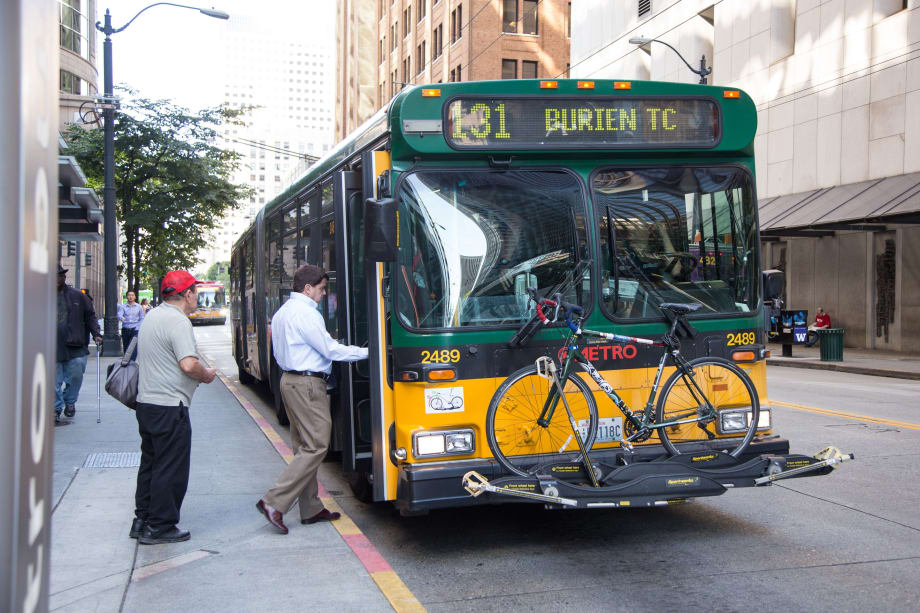
The enforcement completed this week is an example of the type of efforts King County Transit's Operation Safe Transit includes and resulted in arrests of four individuals, three of whom are known drug dealers. The fourth suspect had a warrant for assault.
Photo: King County Transit
King County Executive Dow Constantine and the King County Sheriff’s Office (KCSO) announced four arrests as part of a larger public safety initiative to make transit safer, combat crime, and provide behavioral health supports and resources, particularly along the transit corridor in downtown Seattle.
The larger initiative, known as “Operation Safe Transit,” was launched by KCSO, in May, as a pilot program focused on targeted work on transit and at transit locations, such as bus stops and station platforms.
Recent Enforcement Results
The enforcement completed this week is an example of the type of efforts Operation Safe Transit includes and resulted in arrests of four individuals, three of whom are known drug dealers. The fourth suspect had a warrant for assault.
Deputies also recovered drugs and two handguns, one of which was stolen.
Operation Safe Transit leverages years of experience and knowledge from security officers, co-response teams, and law enforcement to effectively increase public safety and combat crime.
The Seattle Police Department, King County Metro, Sound Transit, and other partners are collaborating with KCSO on this initiative.
At the request of KCSO, the King County jail has made exceptions to bookings for misdemeanor crimes committed in the transit system since the operation began in May.
“Public safety requires a multi-faceted approach, with agencies, branches of government, and jurisdictions working in concert, and that is the approach we are taking to challenges at or near transit facilities in downtown Seattle,” said Executive Constantine. “Seattle streets host Metro bus stops and Sound Transit rail stations, and we are building seamless collaboration across local governments, departments, and agencies to ensure those stations, stops, and streets are clean and safe.”
Increasing Enforcement
Transit riders are expected to see increased police and security presence around the King County Courthouse, Metro bus stops, and the downtown transit tunnel.
Bike teams from Metro Transit and Sound Transit will also play a significant role, as their visibility often serves as a crime deterrent.
“We remain committed to collaboratively work with our partner agencies to ensure our transit system is safe and used as intended, while simultaneously drawing upon internal and external resources to respond appropriately to a variety of circumstances,” said Sound Transit Acting Chief Safety Officer Branden Porter.
King County’s Multi-Step Approach
Over the past year, Metro has successfully implemented several key strategies to improve safety on transit.
The agency engaged with thousands of people through the Safety, Security, and Fare Enforcement (SaFE) Reform Initiative, and heard a clear desire for an increased safety presence and appropriate support for community members in need.
Metro’s “Care and Presence” approach includes more than doubling the number of transit security officers to 170, establishing a group of 17 Metro Safety Ambassadors to assist riders, and coordinating with King County’s Department of Community & Human Services to deploy a team of 14 behavioral health specialists.
Since its launch, the behavioral health team has made over 7,621 contacts and responded to 396 crisis or de-escalation events.
Operation Safe Transit Results
Aside from the recent work, Operation Safe Transit has resulted in 82 arrests. Half of those came from deputies who viewed criminal activity directly and made arrests in real-time.
The operational work will continue to ensure those who live, work, and visit downtown see and feel the enhanced public safety impacts.
More Security and Safety

Transit Agencies Highlight Safety Gains at National Summit
Leaders from 15 major transit systems shared crime-reduction results and safety initiatives while discussing the role of continued federal support.
Read More →
DART Launches Major Security, Fare Enforcement Initiative
The 90-day demonstration will deploy coordinated security teams at five light rail stations while testing controlled access and gathering data to guide future investments.
Read More →
RTD Launches NextRide App to Consolidate Trip Planning, Fares, Security Reporting
The app expands on RTD’s existing NextRide web application and allows customers to view real-time vehicle locations and service alerts, purchase and store digital fares, and access customer support.
Read More →

TAPTCO Updates OSHA Compliance Training for Transit Maintenance Operations
The revamped program addresses 26 OSHA standards for maintenance facilities, with TAPTCO pointing to training, documentation, and everyday shop hazards as continuing challenges for transit operations.
Read More →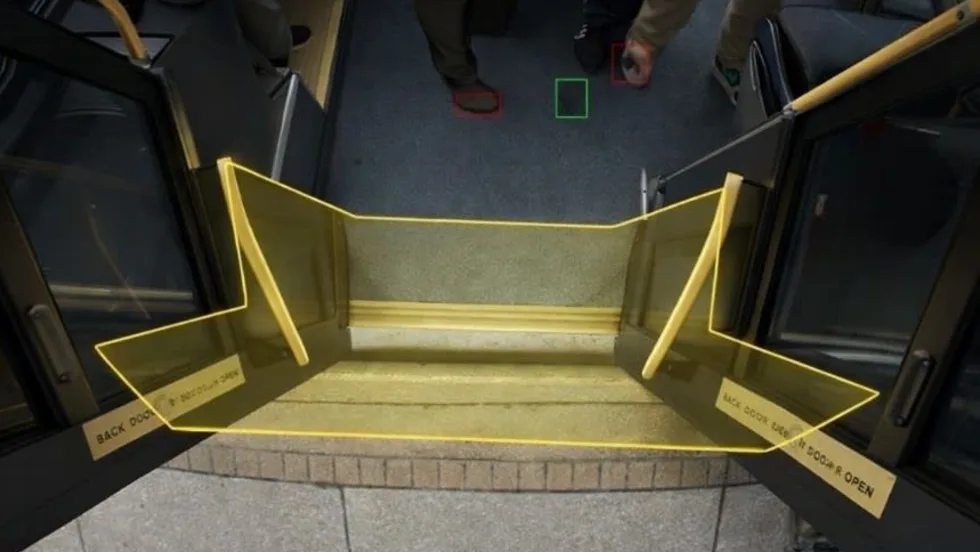
How VaporVision Adds Value to Transit Door Systems
Wabtec engineers explain how the system improves doorway detection, strengthens diagnostics and gives transit agencies and OEMs greater operating flexibility.
Read More →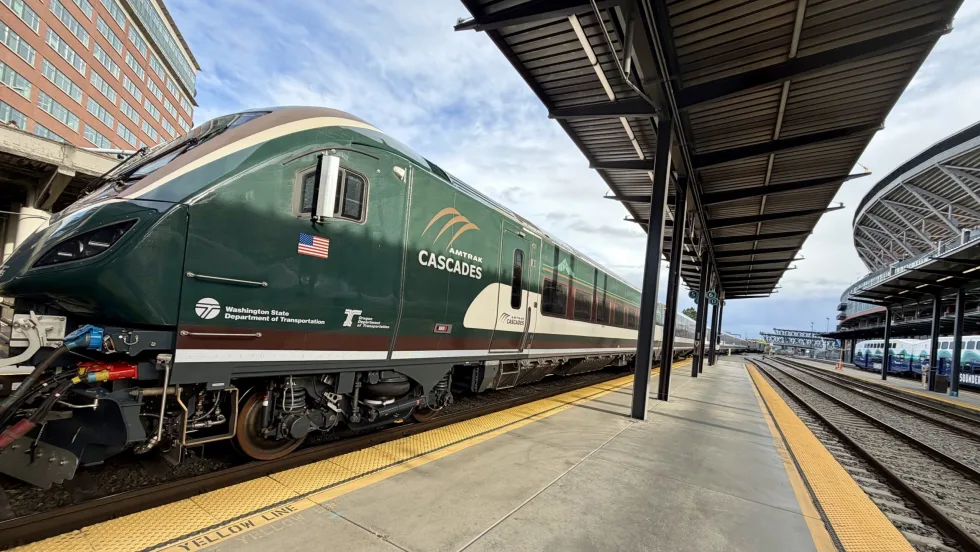
FRA Announces $5.3B in Rail Investments, Including $2B for Amtrak
Funding will support grade-crossing improvements, infrastructure upgrades, and new Amtrak equipment in 23 states.
Read More →
Chicago, Maryland Expand Non-Law-Enforcement Safety, Rider Support
The CTA and MTA are launching new programs aimed at de-escalation, crisis response, rider assistance, and greater transparency.
Read More →
LA Metro, City of West Hollywood, and Partners Advance Smarter Bus Lane Enforcement
The award-winning partnership combines AI-powered detection with human oversight to improve bus reliability, accessibility, and enforcement efficiency.
Read More →
LA Metro Reports 57% Decline in Homelessness on Transit System Since 2024
The agency's latest homelessness count offers new data on how care-based services and cross-sector partnerships can complement traditional transit security strategies.
Read More →
FTA Launches 'Transit Moves America' Dashboard to Highlight Agency Safety and Performance
The online dashboard transforms National Transit Database information into a public-facing resource that allows users to compare transit agencies on key operational and safety metrics.
Read More →