




Looking Back: Feds Cancel $929 Million in Grant Funds for California’s High-Speed Rail
FRA Pulls More Funding from California High-Speed Rail Amid Progress and Dispute
USDOT cites failure to meet obligations, while California defends project progress and continues the track-laying phase.
July 17, 2025
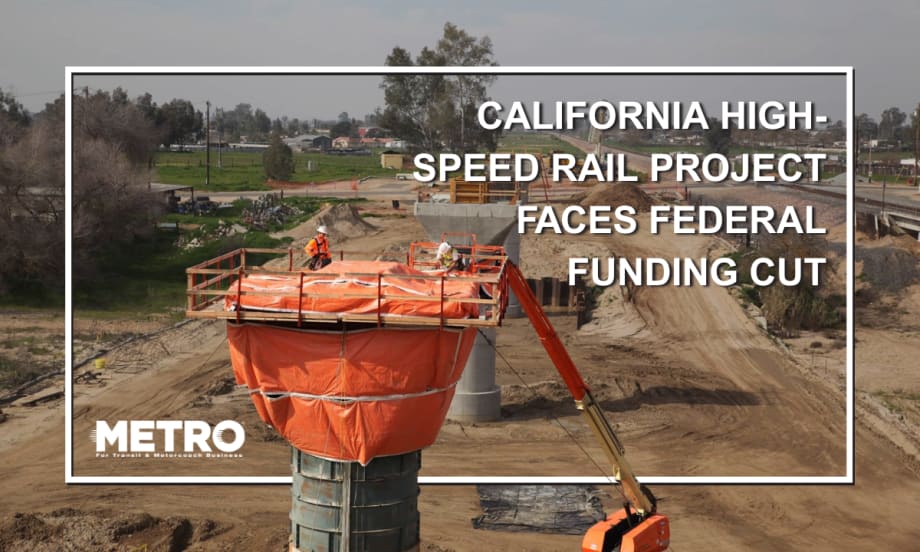
The Federal Railroad Administration has pulled $4 billion in funding from California’s high-speed rail project, citing delays, cost overruns, and unmet obligations.
Photo: California High-Speed Rail Authority / METRO
3 min to read
U.S. Transportation Secretary Sean P. Duffy recently announced the Federal Railroad Administration terminated approximately $4 billion in unspent federal funding for California’s High Speed Rail project.
According to a USDOT release, after 16 years and roughly $15 billion spent, “not one high-speed track has been laid by the California High-Speed Rail Authority (CHSRA).” The rail plan had a projected total cost of $135 billion.
“Federal dollars are not a blank check — they come with a promise to deliver results,” Duffy said. “After over a decade of failures, CHSRA’s mismanagement and incompetence have proven it cannot build its train to nowhere on time or on budget.”
The decision follows FRA’s compliance review, resulting in a 300-page report noting that, “CHSRA could not meet its binding obligations under the agreements it made to receive federal funding.”
According to the release, the CHSRA was given two opportunities to respond consistently with the grant agreements after the review. “Neither response addressed FRA’s significant concerns. CHSRA simply cannot meet its obligations under the grant agreement,” the USDOT release stated.
Track-Laying Begins as Federal Support Wavers
As the California governor’s office reported, the termination comes as the project enters the track laying phase, actively building across 171 miles, has built more than 50 major railway structures — including bridges, overpasses, and viaducts — and completed over 60 miles of guideway.
“With projects like the Texas high-speed rail failing to take off, we are miles ahead of others,” said California Governor Gavin Newsom in response to the termination. “We’re now in the track-laying phase and building America’s only high-speed rail. California is putting all options on the table to fight this illegal action.”
In January, Gov. Newsom joined CHSRA CEO Ian Choudri, local leaders, and workers outside Bakersfield to break ground on the railhead and allow the authority to begin laying track.
“[This] is one of the last steps in construction, occurring only after land acquisition, environmental clearances, and completion of supporting structures,” the release reported.
“Canceling these grants without cause isn’t just wrong — it’s illegal,” Choudri said. “These are legally binding agreements, and the authority has met every obligation, as confirmed by repeated federal reviews, as recently as February 2025.
According to the governor’s office statement, the high-speed rail has marked “significant” progress, including:
The completion of environmental reviews spanning 463 miles from Los Angeles to the Bay Area.
Completion of Caltrain electrification.
Trainset selection underway.
Station and track construction on deck.
Continued work with partner rail systems to create a southwest regional high-speed rail network.
More than 15,000 jobs created.
“This is no time for Washington to walk away on America’s transportation future,” Choudri said.
Passenger service was expected in the coming years, between 2030 and 2033.
More Rail
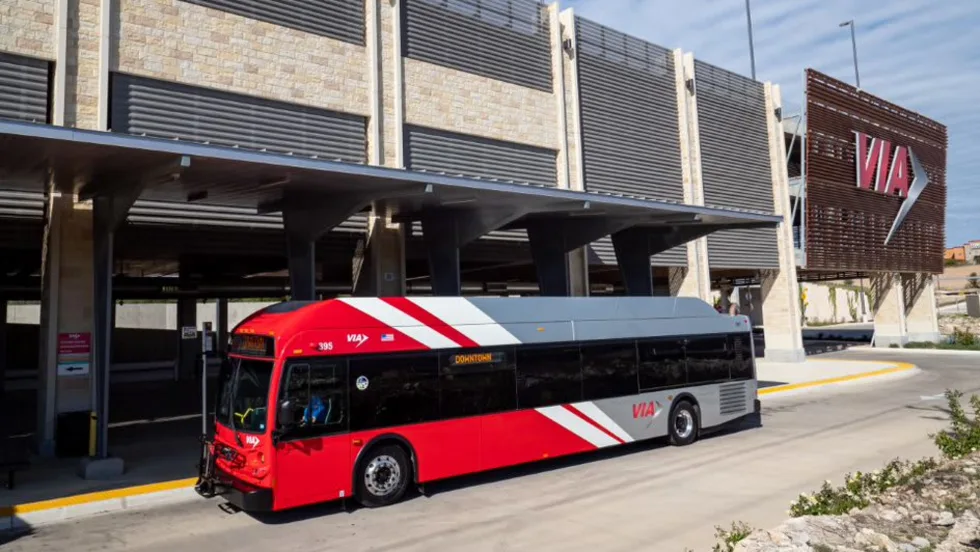
VIA, MBTA Reach Pre-Pandemic Ridership Milestones as Transit Use Climbs
VIA surpasses three million monthly trips for the first time since 2020, while the MBTA tops one million average weekday trips as both agencies report continued ridership growth.

People Movement: Metrolink's Kettle Announces Retirement, Feakins to CEO at UZURV, and More
In this edition, we also cover recent appointments and announcements at King County Metro, SilverRide, and more, showcasing the individuals helping to shape the future of transportation.
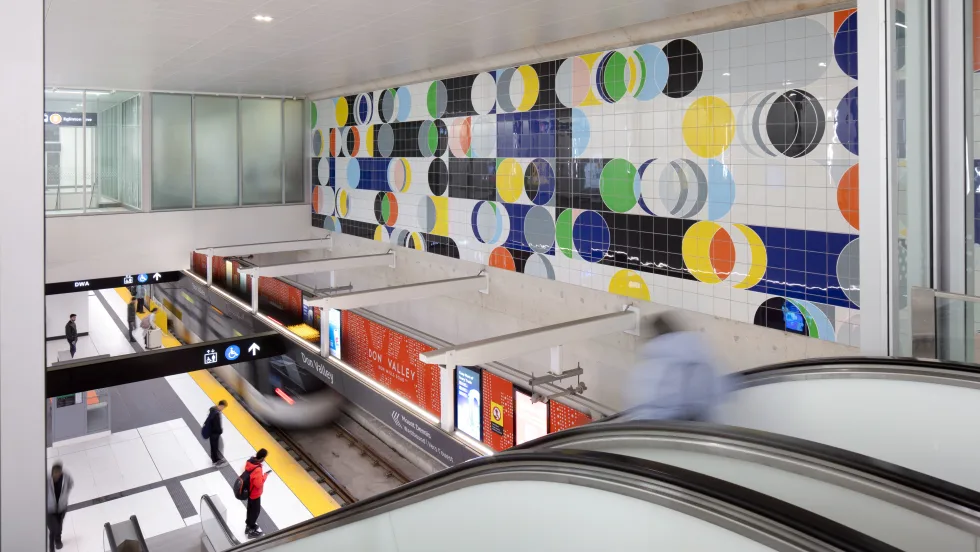
How Gen Z's Changing Mobility Habits Are Reshaping Public Transit
As younger generations embrace multimodal mobility over private vehicles, transit agencies can rethink station design, the passenger experience, and public transportation's role in building connected communities.
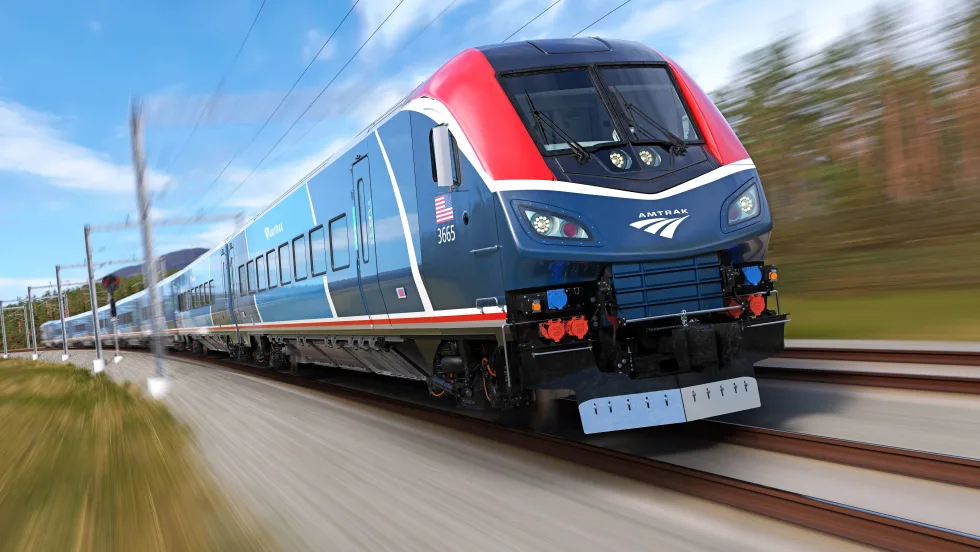
Amtrak Expands Airo Fleet with Eight Higher-Capacity Trainsets
The new 10-car trains, expected to enter service in 2031, will provide about 34% more seating capacity to meet growing demand on the Northeast Corridor.

APTA Urges FTA to Withdraw Proposed Capital Investment Grants Guidance
The association warns that proposed changes could delay transit projects, reduce federal funding, and create new hurdles for 47 projects currently in the CIG pipeline.

Amtrak, NJ TRANSIT Launch Full Service on New Portal North Bridge
The completion of the two-track bridge over the Hackensack River eliminates a longstanding source of delays for NJ TRANSIT and Amtrak customers. It marks a major milestone for the Gateway Program.
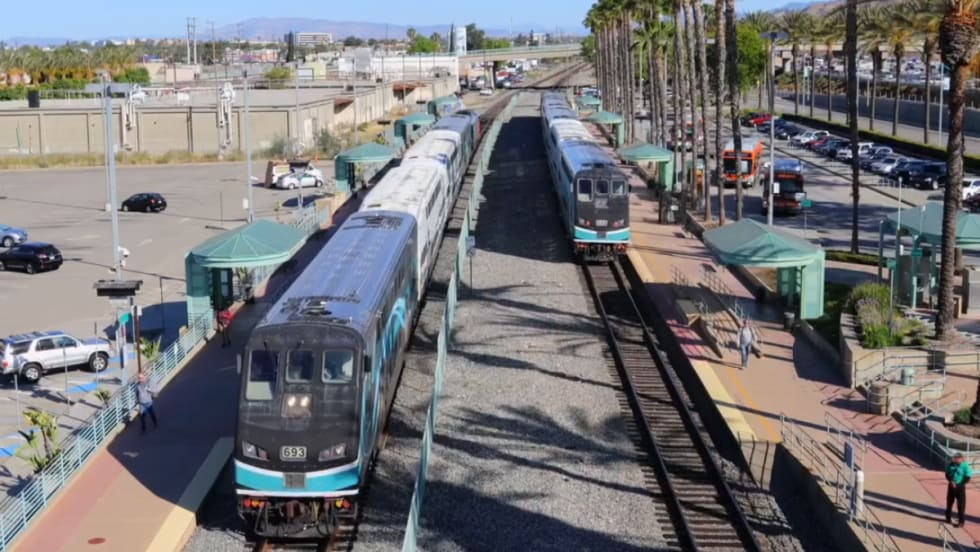
Southern California’s Metrolink Approves $508.8M Budget, Avoids Service Cuts
A $20 million state allocation allows the regional rail agency to maintain existing weekday and weekend service through fiscal year 2028, although longer-term funding challenges remain.
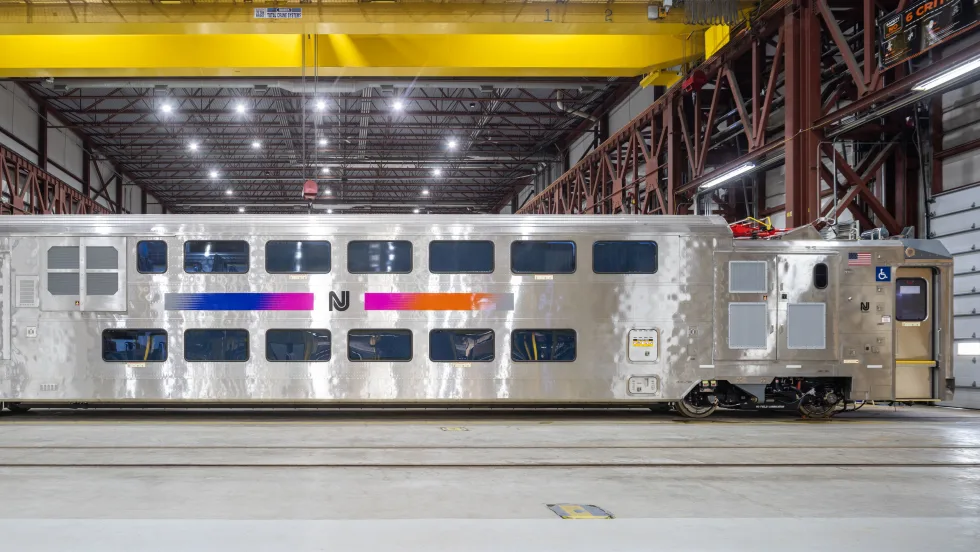
NJ TRANSIT Approves $65.6M for Hudson-Bergen Light Rail Improvements
The funding marks the first phase of a planned $250 million investment over five years to modernize stations, overhaul vehicles, and improve system reliability and passenger safety.
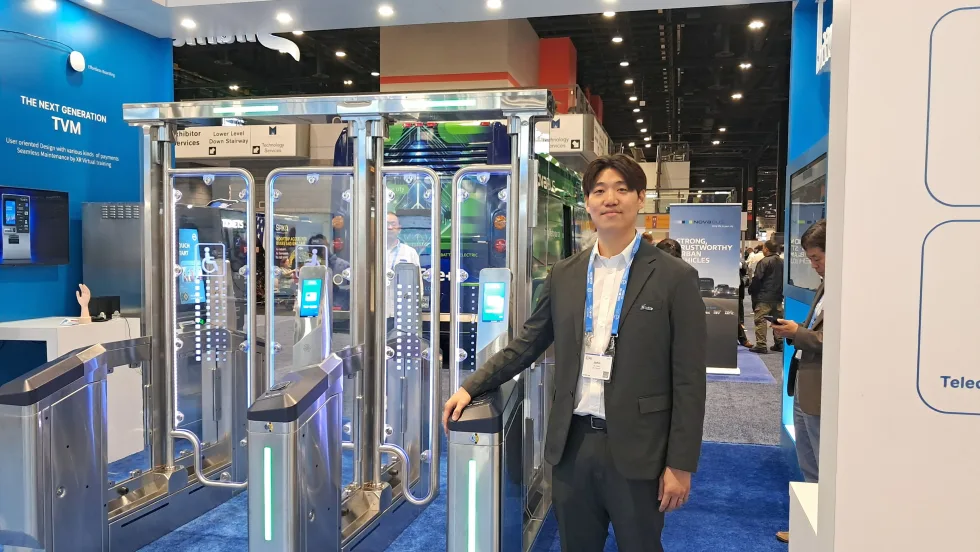
STraffic Expands North American Presence with Fare Collection Technology
John Moon, Associate Director, Product Strategy at STraffic, discusses the company's growth in North America, its efforts to reduce fare evasion, and more.
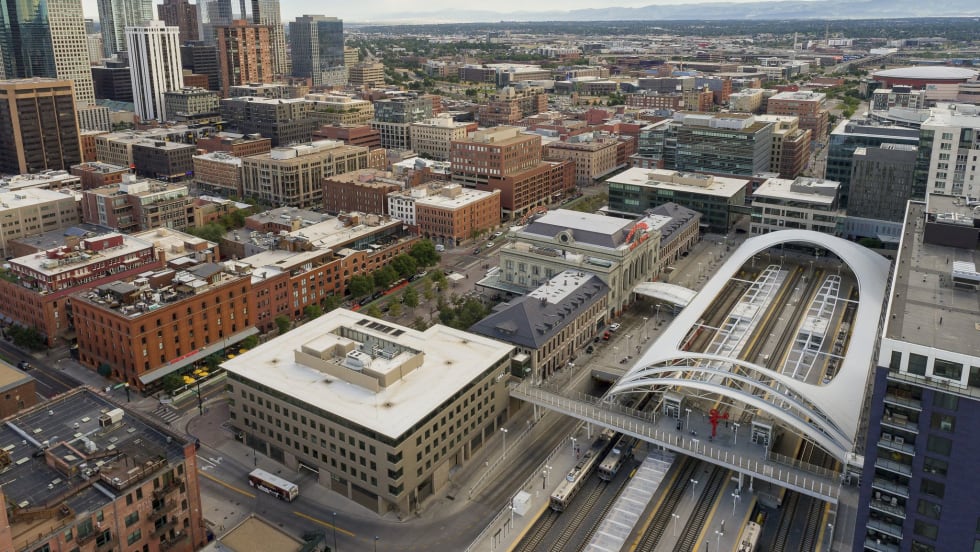
Study: Denver RTD Generates $2.1 Billion in Annual Economic Activity
An economic impact study finds the agency supports approximately 17,500 jobs, delivers $1.6 billion in annual community and mobility benefits, and generates $2.42 in economic value for every dollar invested.