



Biz Briefs: Tolar Supplying JTA Bus Shelters and More
Biz Briefs covers the latest supplier news in the motorcoach and public transit industries.

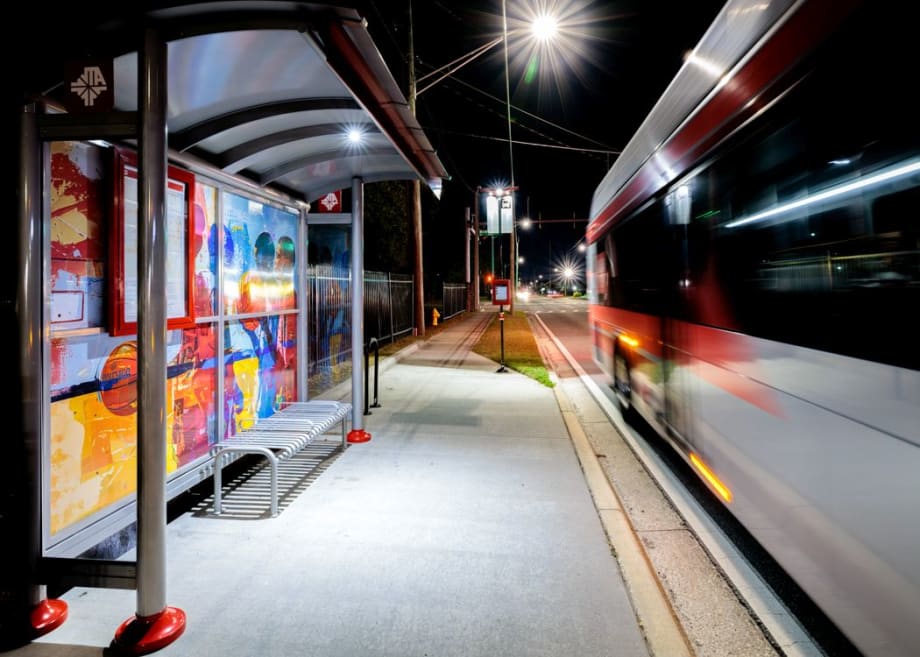
The JTA shelters feature dynamic signage with real-time route information, safety improvements, and public space improvements, increasing comfort and safety at the stop.
Photo: JTA/Tolar

In METRO's latest installment, we take a look at the latest news from suppliers including MCI, Optibus, and more.
Photo: METRO
Biz Briefs covers the latest supplier news in the motorcoach and public transit industries.
In METRO's latest installment, we take a look at the latest news from suppliers including MCI, Optibus, and more.
MCI Delivers J4500 to California Operator
Motor Coach Industries (MCI) recently delivered a brand-new J4500 coach to Apple Valley, California’s Ebmeyer Charter and Tour.
Ebmeyer’s 2026 model year J4500 is tailored for long-distance charter and tour operations, featuring:
Clean-diesel power with optimized fuel efficiency.
Spacious interior with luxury seating and LED lighting.
FMVSS 227-compliant structure for enhanced occupant protection.
Bendix Wingman advanced driver assistance system.
Ebmeyer Charter serves customers across the Western U.S. with a modern fleet, certified drivers, and a strong safety record. The company has added five new J4500 coaches to its fleet since 2022, including this latest delivery.
ChargePoint Lands Sourcewell Contract to Provide EV Charging Infrastructure
ChargePoint was awarded a Sourcewell cooperative purchasing contract to provide EV charging solutions to public agencies in the U.S. and Canada. The award represents ChargePoint’s third consecutive agreement with Sourcewell, dating back to 2017.
Through the agreement, entities such as municipalities, transit authorities, and public schools can deploy ChargePoint EV chargers, software, and services through a streamlined procurement process with preferred pricing.
ChargePoint secured the Sourcewell contract following a rigorous request for proposal process, ensuring compliance with local procurement requirements while delivering exceptional value and service. This agreement enables any public agency to access and purchase from ChargePoint using Sourcewell-vetted pricing, streamlining the public purchasing process.
Sourcewell, a self-funded governmental organization established in 1978, facilitates a cooperative purchasing program that harnesses the collective purchasing power of more than 50,000 participating agencies. By streamlining procurement with pre-negotiated, competitive pricing contracts, Sourcewell enables government, educational, and nonprofit organizations to secure cost-effective and efficient purchasing solutions.
Tolar to Provide 100s of New Florida JTA Bus Shelters.
Tolar Manufacturing partnered with Florida’s Jacksonville Transportation Authority (JTA) to fabricate, deliver, and install 115 new Sunset bus shelters equipped with amenities such as benches, trash receptacles, and bike racks.
The shelters feature dynamic signage with real-time route information, safety improvements, and public space improvements, increasing comfort and safety at the stop.
The shelters are part of the nearly $ 14 million Northwest Jacksonville Corridor Improvements Project, which will create an estimated 85 direct jobs and over 50 indirect jobs, promoting economic growth.
Fourteen of the shelters will feature custom art printed on perforated metal panels. The designs were developed by community members as part of JTA’s Northwest Corridor Public Art Initiative, reflecting the cultural identity of Jacksonville’s neighborhoods while creating visually inviting public spaces.
Optibus Launches GTFS Services, In-Platform GTFS Enhancements
Optibus launched a new offering — GTFS Services — alongside in-platform GTFS enhancements to help public transportation agencies deliver accurate, compliant data to passengers everywhere.
From the next bus arrival to the route that connects to work, school, or family, the General Transit Feed Specification (GTFS) is the digital language that communicates service information to trip planners, such as Google Maps, Apple Maps, and other third-party applications used by passengers.
With Optibus’s end-to-end platform, GTFS is part of a unified workflow. Two flexible solutions are available:
GTFS Services (Fully Managed): Agencies can outsource GTFS creation and management to Optibus’s expert team, enjoying fast turnaround times, ongoing support, and worry-free integration with all major transportation planning platforms. With GTFS Services, agencies receive the most accurate and comprehensive GTFS datasets available on the market.
GTFS in the Platform (Self-Managed): Agencies using Optibus Planning, Scheduling, or Strategic Planning can now generate and export high-quality GTFS directly from the platform. Built-in tools for efficient planning, data validation, and editing help improve speed, reduce errors and manual work, create accurate and up-to-date feeds, and ensure information reaches passengers. Agencies can publish GTFS feeds directly from within the Optibus platform, eliminating the need for external tools.
More Technology

APTA Transform Conference & EXPO Exhibitor Spotlight
METRO’s Exhibitor Spotlight provides a quick look at some of the companies exhibiting at this year’s event, including where to find them on the show floor.
Read More →
CharterUP’s Armir Harris on Technology, AI, and the Future of Group Mobility
In a recent episode of METROspectives, CharterUP Founder/CEO Armir Harris discussed the company’s evolution from an online charter bus marketplace into a technology platform supporting public- and private-sector mobility and much more.
Read More →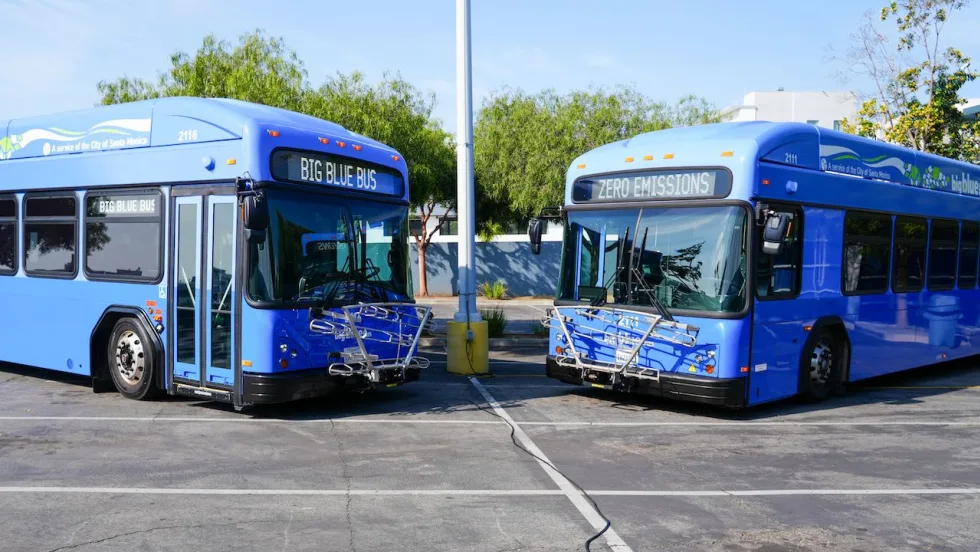
Biz Briefs: ChargePoint, Eaton Power Santa Monica’s Electric Bus Fleet Transition and More
From manufacturers and suppliers to transit agencies and motorcoach operators, these updates offer a snapshot of the projects, partnerships and business moves driving the industry forward.
Read More →
Stay Connected With METRO Magazine Across Social Media
Are you following us on Facebook, LinkedIn, and YouTube? Join the METRO community now!
Read More →
RTD Launches NextRide App to Consolidate Trip Planning, Fares, Security Reporting
The app expands on RTD’s existing NextRide web application and allows customers to view real-time vehicle locations and service alerts, purchase and store digital fares, and access customer support.
Read More →
The Business Voice Behind Public Transportation
As chair of APTA’s Business Members Board of Governors, Ray Melleady explains how more than 850 business members are partnering with transit agencies to advance funding, innovation, and industry-wide collaboration.
Read More →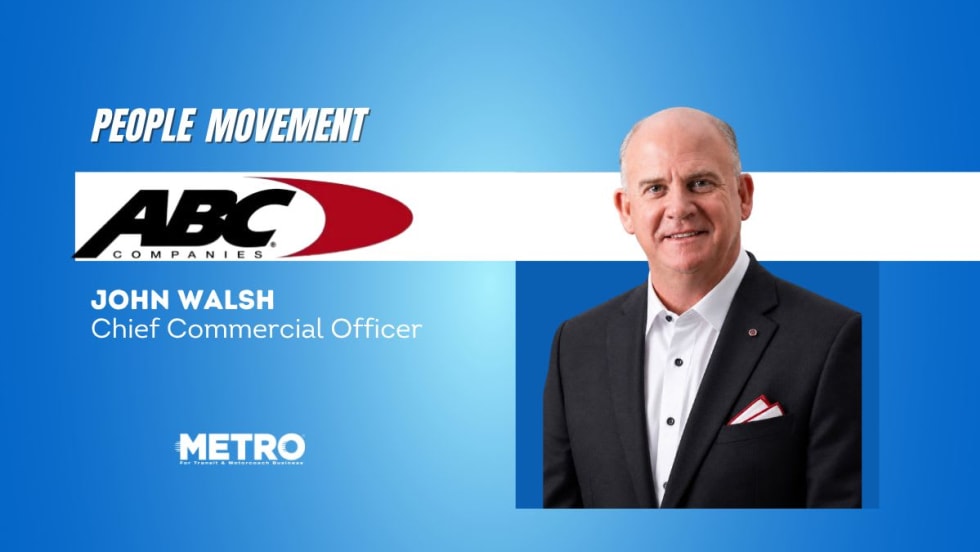
People Movement: ABC Names John Walsh as Chief Commercial Officer
In this edition, METRO also covers recent appointments and announcements at the DART, STV, and more, showcasing the individuals helping to shape the future of transportation.
Read More →
King County Metro Makes ADA Paratransit Easier to Navigate
METRO's Innovative Solutions Award winner replaces complex service-area descriptions with an accessible, interactive map that puts paratransit information directly in customers’ hands.
Read More →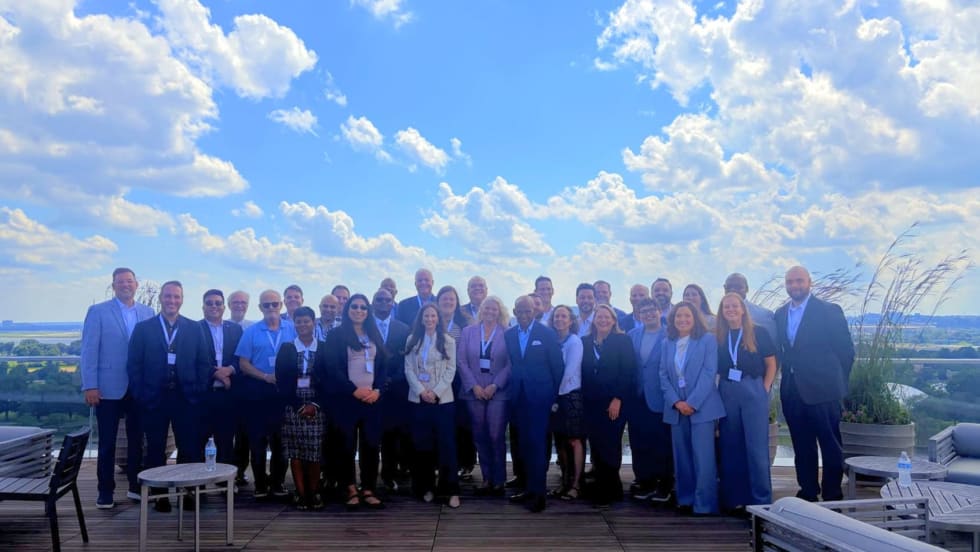
TransDASH Summit Focuses on Measuring What Matters in Transit
Transit agencies unveil a national performance platform designed to benchmark customer experience, safety, community value, and other outcomes.
Read More →
Jacksonville’s NAVI Project Charts a New Course for Autonomous Public Transportation
Through its NAVI program, JTA is showing how autonomous vehicles, intelligent infrastructure, and coordinated operations can work together to deliver everyday public transportation.
Read More →