



Roman Cornell on ABC Companies’ Evolution and the Future of Passenger Transportation
The company’s CEO discusses carrying forward a third-generation family legacy, ABC’s continued evolution in passenger transportation, support for increasingly complex fleets, and how technology and continued investment could help operators improve uptime.
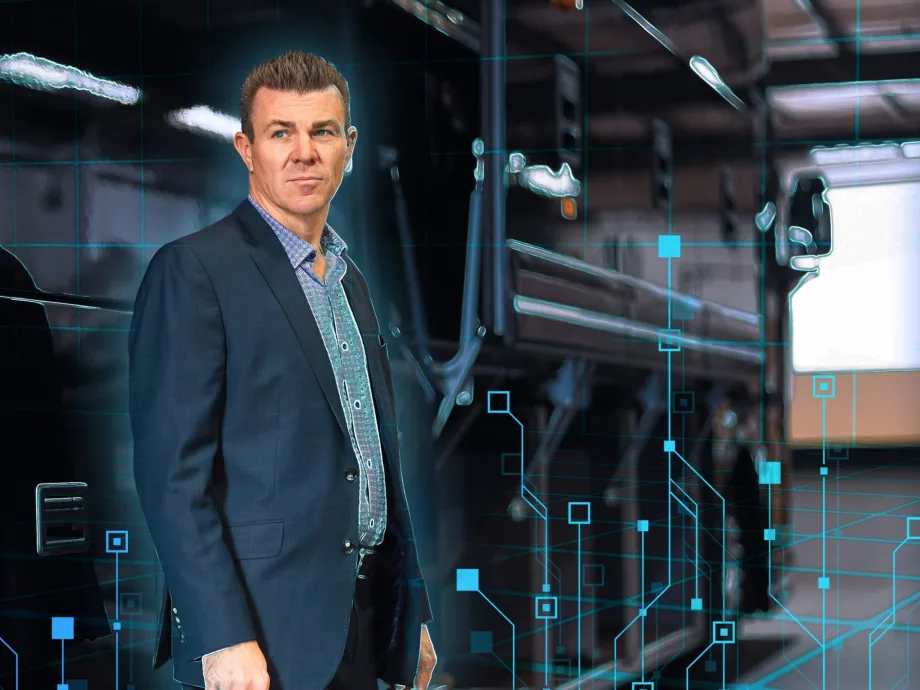
ABC Companies CEO Roman Cornell discusses the company's expansion into heavy-duty transit bus manufacturing with the introduction of COR Transit at APTA TRANSform & EXPO 2026 in Chicago.
ABC Companies
- CEO Roman Cornell elaborates on carrying forward ABC Companies' third-generation family legacy in the passenger transportation industry.
- The company is focusing on supporting more complex vehicle fleets and evolving its services to meet current transportation demands.
- Emphasis is placed on leveraging technology and investment to enhance vehicle uptime and operational efficiency for transportation operators.
*Summarized by AI
For more than 50 years, ABC Companies has built its business around relationships with passenger transportation operators. While the company has long been closely associated with the motorcoach industry, its reach today extends across transit, shuttle, and other mobility markets — and increasingly beyond the initial vehicle sale.
Recently, METRO Executive Editor Alex Roman sat down with ABC Companies CEO Roman Cornell to discuss that evolution, the changing needs of public and private transportation operators, and the company's recent announcement that it plans to launch a new public transit bus offering — COR Transit.
Cornell explains why training, parts, maintenance, and technical support have become increasingly important as vehicles grow more sophisticated and workforce challenges persist. He also discusses what it means to lead a third-generation family business, how ABC is continuing to diversify alongside its customers, what the company learns from serving both public and private transportation, and where he sees opportunities to invest for the industry's future.
The Company’s Evolution
METRO: ABC Companies has been associated with motorcoach distribution, fleet support, and mobility solutions for years. Can you talk about how the company has evolved in recent years to meet changing customer and industry needs?
Roman Cornell: When my grandfather founded ABC more than 50 years ago, we built our business on relationships, trust, and solving our clients’ problems. For much of that time, our business was primarily in the motorcoach industry.
Since then, we’ve expanded into transit, shuttle buses, vans, and other areas while continuing to grow the products and services that support those vehicles throughout their lifecycle. Today, that includes parts, service, contract maintenance, refurbishment, training, and other support capabilities.
What's really changed is that it’s no longer just about selling a product. The vehicle is one part of a much larger relationship. We have equipment operating across the country, so we're also responsible for making sure customers have the training, parts, technical expertise, and service support they need to operate that equipment successfully.
That broader view of the customer relationship has driven a lot of ABC’s evolution, and it continues to influence where we invest and where we see opportunities to grow.
METRO: From your perspective, how has the passenger transportation business changed over that time?
Cornell: One major change is the challenge our clients face with employees. It’s harder to find technicians and drivers, and operating a transportation business is becoming more complex, particularly across multiple states. That changes what customers need from a company like ABC.
At the same time, the vehicles themselves are becoming much more technically advanced, and many of our customers are diversifying their fleets. They may operate a 12-passenger vehicle, a 35-passenger vehicle, a 56-passenger motorcoach, or an 80-passenger vehicle. That creates more complexity around parts, training, maintenance, and overall fleet support.
We also have to remember what these vehicles are actually doing. They are moving people. Somebody may be going to a family reunion, a dialysis appointment, catching a flight, or going on a family vacation. That puts everything into perspective. Safety comes first; then we help our customers get people where they need to go reliably.
As the industry has become more complex, ABC has had to evolve. Our job is to understand where our customers are going and make sure we have the products, expertise, and support infrastructure in place to help them get there.
METRO: So, in many ways, ABC is extending the relationship well beyond the original purchase and supporting that vehicle throughout its lifecycle?
Cornell: Absolutely. One way we look at it is that the vehicles we sell are still ours. They are obviously not actually our fleet, but we think about them that way. That’s our fleet out there that we’re servicing and helping our customers support.
It creates a different mindset. The relationship doesn’t end when somebody takes delivery of the vehicle. We want to continue standing behind that customer and that vehicle throughout its lifecycle.
Taking the Company to the Next Level
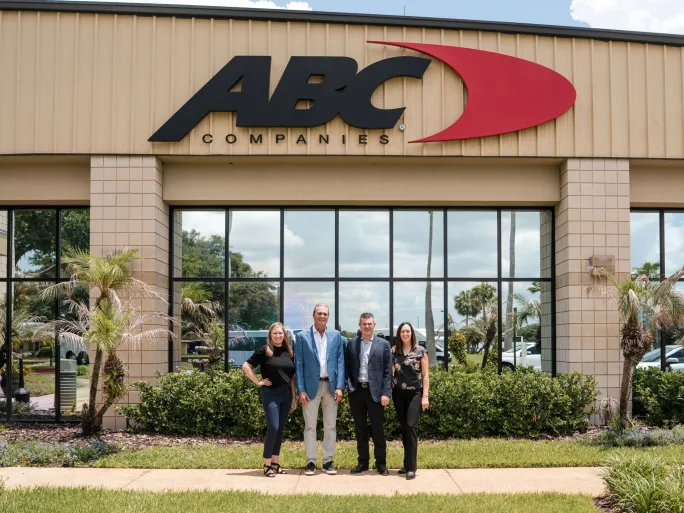
The Cornell family continues to build on ABC Companies' more than 50-year history in the transportation industry, expanding its business with the launch of COR Transit and a new focus on heavy-duty transit bus manufacturing.
ABC Companies
METRO: You are now the third generation of the Cornell family to lead ABC. How do you balance the company’s legacy and the values your family established with your own vision for its future?
Cornell: Being the third generation carries a heavy weight for me. My grandfather told me when I was a young man that the third generation is the one most likely to mess things up. He definitely put that emphasis on me when I was young.
Because of that, I believe my responsibility is to keep evolving the business. You have to respect what made the company successful, but you also can’t stand still. We have to keep listening to our customers. What do they need? Where are our customers going as their own businesses continue to evolve?
It’s important to keep investing across our businesses and within the company. We need to keep exploring new opportunities, diversifying where it makes sense, and looking at the industry, our customers, trends, and data to see where the business is headed.
We’re at another important point in that evolution today, and we will be sharing a significant milestone for ABC at this year’s APTA EXPO. It’s another example of investing for where we believe the industry is going long term.
One advantage of being a family-owned business is that we can think beyond quarterly results. We can make decisions based on what’s best for our clients and the business's long-term health.
My goal sounds simple, but it isn’t necessarily easy to achieve: I want to leave ABC stronger for the next generation. I want to leave ABC in a better position for the fourth generation.
METRO: You have mentioned customers several times. How much of ABC’s evolution and movement into different segments has been driven by listening to customers and watching how their businesses are changing?
Cornell: It has been driven by that quite a bit.
Think about everything our customers have had to navigate over the years — 9/11, the financial crisis, COVID, tariffs, and other significant shifts that have affected their businesses. Our clients are diversifying their businesses. My job is to make sure ABC looks ahead, evolves with them, and invests where we believe we can bring the most value.
I believe that creates a stronger organization and a stronger relationship with our customers. Our customers rely on us, and we rely on them; together, we’re working toward the same fundamental goal: moving the traveling public safely. It is a partnership where we grow together. That’s when both sides are successful — our clients as well as our company.
My job is to communicate with them, listen, understand where they’re going, and make sure ABC is positioned to help them get there.
The Public and Private Sector Markets
METRO: Switching gears a little, ABC has a somewhat unique perspective because you work with both public transit agencies and private operators. What trends are you seeing in fleet investment, technology adoption, and operational priorities?
Cornell: ABC has a unique perspective because we work with public transit authorities as well as private businesses, including private and family-owned companies.
There are strengths on both sides. Transit agencies excel at long-term planning, lifecycle management, and maximizing public investment in their fleets and operations.
Private operators, meanwhile, can often move very quickly. They can adapt rapidly to changing customer expectations and operational demands.
But ultimately, both sides are responsible for the same thing: moving the traveling public safely. Because we operate in both markets, we can bring ideas and experiences from one to the other. If we learn something from working with the private sector that could benefit a public transit agency, we can share it. The same goes the other way. Working across both markets gives ABC a unique perspective. We can see trends from different sides of passenger transportation, transfer what we learn, and ultimately, bring stronger ideas and solutions to our customers.
METRO: Despite some of those differences, are public transit agencies and private operators facing many of the same fundamental challenges?
Cornell: They are.
Equipment is becoming more technical. Costs are high. Those problems are common across the industry, public and private. That’s why transferring knowledge between those markets matters. What works in the private market may also work in public transit, and vice versa.
That’s also why we spend so much time and energy on our training programs and support infrastructure. From 24-hour technical support and parts availability to online ordering and training, we’re continuing to invest in resources that make it easier for customers to get the help they need.
Employee turnover is another good example. If a customer loses a technician or experiences turnover at a location, they need access to training. They need to know who to call. We can come in, provide that training, and help get that location back up and running. That support has become increasingly important as both the vehicles and the businesses operating them become more complex, and we believe ABC can continue to bring significant value in this area.
Launching a Public Transit Bus
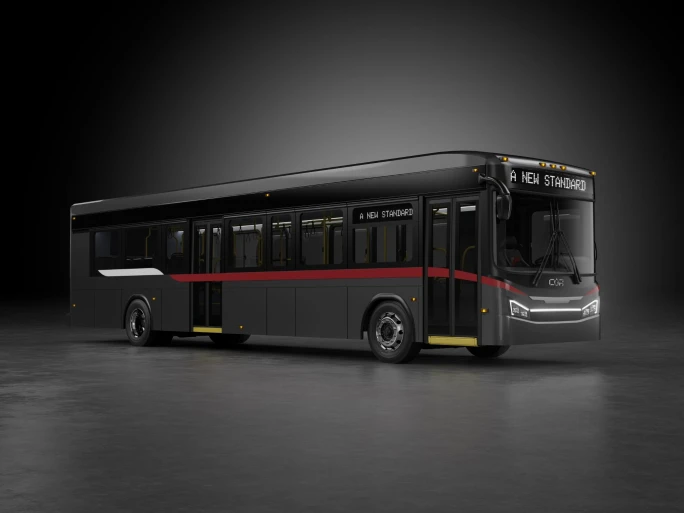
COR Transit's first planned vehicle is a 40-foot heavy-duty diesel bus designed for the North American market, with prototype development targeted for 2027 and initial deliveries expected in 2028.
ABC Companies
What led ABC Companies to launch COR Transit, and what gap in the market are you looking to fill?
We've worked with transportation operators for more than 50 years, and much of our evolution has come from listening to our customers and understanding where the industry is headed.
When we looked at the heavy-duty transit market, we saw a real need for more competition. Agencies are dealing with aging fleets, rising costs, and long lead times, and they simply don't have as many options as they need.
We believe ABC is uniquely positioned to help address that. COR Transit is a natural extension of our business and an opportunity to bring another choice to a market that really needs it.
With transit agencies facing rising costs and long vehicle lead times, how will COR Transit offer a competitive alternative?
I think one of our biggest advantages is that we're not starting from scratch. We already have a nationwide parts and service network, technical support, training programs, and longstanding relationships with transit agencies.
Over the years, we've learned that the purchase price is only one part of the equation. Agencies need vehicles they can depend on, parts they can get when they need them, and people they can call when something goes wrong.
That's how we're approaching COR Transit. We want to bring a competitive product to market, focusing on quality, serviceability, and long-term operating costs. It's about delivering value throughout the vehicle's life, not just at the point of purchase.
What are the next steps for COR Transit, and what can agencies expect as you move toward production in 2028?
We have a lot of work ahead, and we're excited about what's next. Our first product will be the D40, a 40-foot heavy-duty diesel transit bus.
We're currently in the final stages of evaluating locations for our U.S.-based manufacturing facility, with prototype development planned for 2027 and initial deliveries targeted for 2028. We're also planning for Buy America compliance and Altoona testing as part of the development process.
Right now, we're focused on getting the fundamentals right, from product development and testing to establishing our manufacturing operations. We've made a significant long-term commitment to this market, and we're looking forward to sharing our progress.
Agencies and others interested in following along can visit CORTransit.com to learn more and sign up for updates.
The Future of Passenger Transportation
METRO: How have customer expectations changed when it comes to vehicle performance and, particularly, the support they expect after purchasing a vehicle?
Cornell: The first thing is still the vehicle's quality. That has always been important.
But customers are also looking closely at how responsive service is. Are parts readily available? Is it easy to purchase parts? Is it easy to look up the right part? Are knowledgeable technicians available who can pick up the phone and answer quickly?
Product accessibility matters, too. As more technology goes into vehicles, serviceability has to stay in the equation. When something needs service, the mechanic or technician still needs to access that component efficiently.
So, we’re investing heavily in those areas—parts inventory, learning management, our technicians, and working with our manufacturing partners to keep serviceability a priority.
We are also investing in mobile service. We added 10 additional trucks this year.
I always say the sales group can sell the first bus, but the rest of the company sells the second. What I mean by that is customers want to know what’s behind the product. It is not just about the salesperson. They want to see the horsepower behind that salesperson and know there is a complete support network there when they need it. That is ultimately where trust is built.
METRO: As you look ahead, what excites you most about where passenger transportation is headed?
Cornell: I love seeing our vehicles on the road. I like connecting people, and I like seeing our products enter different markets—healthcare, education, local transit, and other applications across the country.
The innovation taking place right now is particularly exciting.
There is also tremendous opportunity across passenger transportation as customer needs continue to change. For ABC, that means continuing to diversify our products and services, investing in new capabilities, and looking for where we can make the greatest impact for our customers and the industry.
You look at AI, telematics, smart components on vehicles, and the opportunity to move toward predictive maintenance. Those are things that intrigue us and intrigue me personally.
The question is: How do we use those technologies to make the vehicle operate more efficiently? For us, it’s all about uptime. How do we keep that vehicle on the road, with fewer issues, while keeping it safe?
I think we’re in an exciting time with technology. Over the next several years, I believe this technology will help us become more efficient and provide better uptime. The challenge and opportunity for ABC is figuring out how to bring those technologies, the vehicle, and our support capabilities together, and then help our clients use them to achieve better uptime and ultimately provide better service.
We've evolved alongside this industry for more than 50 years, and I believe some of ABC’s greatest opportunities are still ahead.
Quick Answers
ABC Companies is actively evolving its operations by supporting increasingly complex fleets and leveraging technology and investments to improve operator uptime.
*Summarized by AI
More Articles

LA Metro Breaks Ground on East San Fernando Valley Light Rail Project
The 6.7-mile line will add 11 stations along Van Nuys Boulevard, expand access to jobs and regional transit connections, and support Metro’s broader efforts to improve mobility as rail ridership grows.
Read More →
CATS Launches West Charlotte Microtransit Zone, Expands Transit Services
The new microtransit zone connects residents to key destinations as Charlotte Area Transit System rolls out the first phase of its 2055 Transit System Plan.
Read More →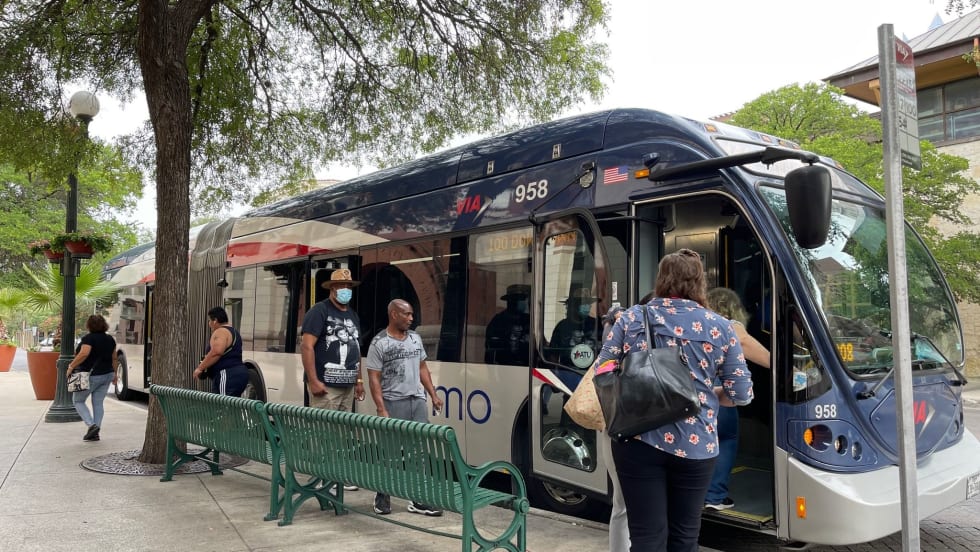
VIA Bus Ridership Grows 10.1% Through August 2026
San Antonio's VIA Metropolitan Transit reported the highest bus ridership growth among major Texas transit systems. Federal Transit Administration data ranked it second among the nation's 50 largest transit systems.
Read More →
CSA Group Releases Climate Resilience Standard for Transit, Passenger Rail
Developed with support from the Standards Council of Canada, CSA D700 guides assessing climate-related risks and planning adaptation measures for transit and passenger rail systems.
Read More →
ETA CEO John Maglio on Transit Technology, Innovation, and Building Agency Trust
ETA founder and CEO John Maglio explores the evolution of transit technology, the importance of reliable systems, and how stronger partnerships can help agencies improve operations and the passenger experience.
Read More →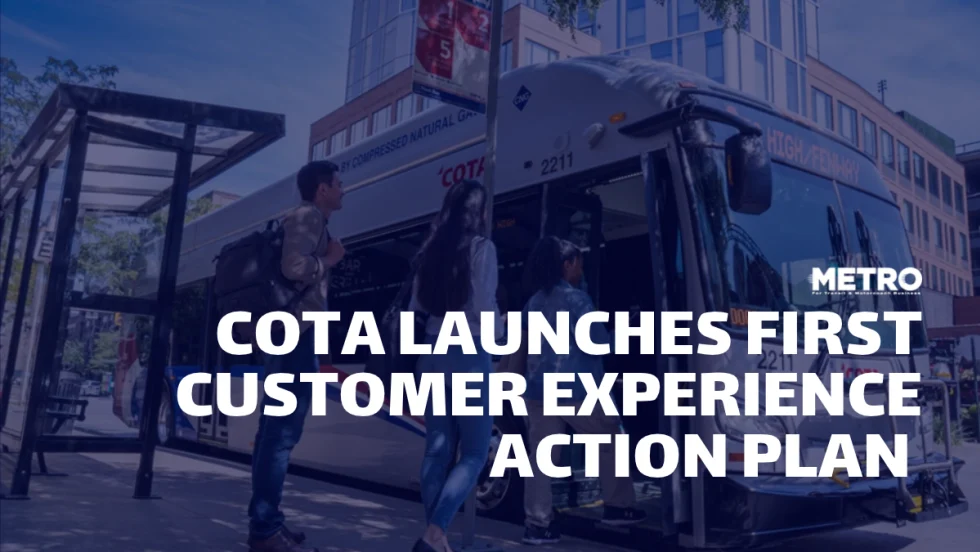
COTA Launches First Customer Experience Action Plan to Improve Transit Service
The new plan outlines improvements to service reliability, accessibility, communication, and the overall rider experience across Central Ohio's transit system.
Read More →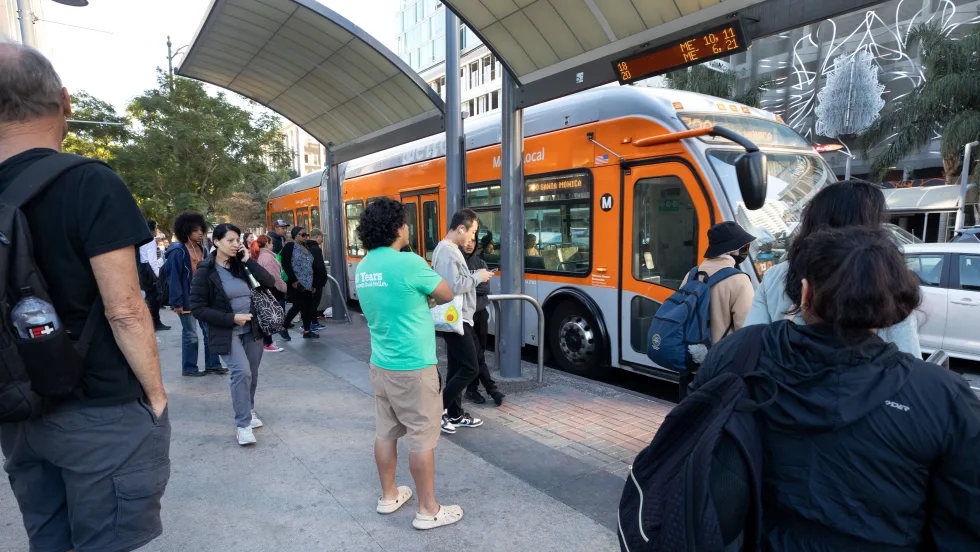
LA Metro September Ridership Climbs 3.9%, Led by Rail Growth
The agency recorded more than 27.2 million boardings, with rail ridership increasing 12.4% year over year and the D Line posting the largest gains.
Read More →
San Diego MTS Approves New Fare Evasion Penalty Program
The new administrative process will move eligible violations out of the criminal court system, cap penalties at $125, and provide flexible payment options for riders.
Read More →
RTC of Southern Nevada Reports 29% Drop in Transit Operator Assaults
The agency credits expanded security measures, employee training, and technology investments for improvements in transit safety, while security officers have responded to 19 suspected overdoses since July.
Read More →
Frontrunner Bus Group Introduces XF Low-Floor Bus with Enhanced Accessibility
The new mid-sized bus features a full flat-floor design, eight-inch curbside step-in height, and zero-entry rear ramp to improve passenger access and operational flexibility.
Read More →