



Caltrain Officials Outline Potential Cuts without External Funding
Transit agencies across the Bay Area are confronting structural budget shortfalls as post-pandemic travel patterns continue to reshape commuting behavior.

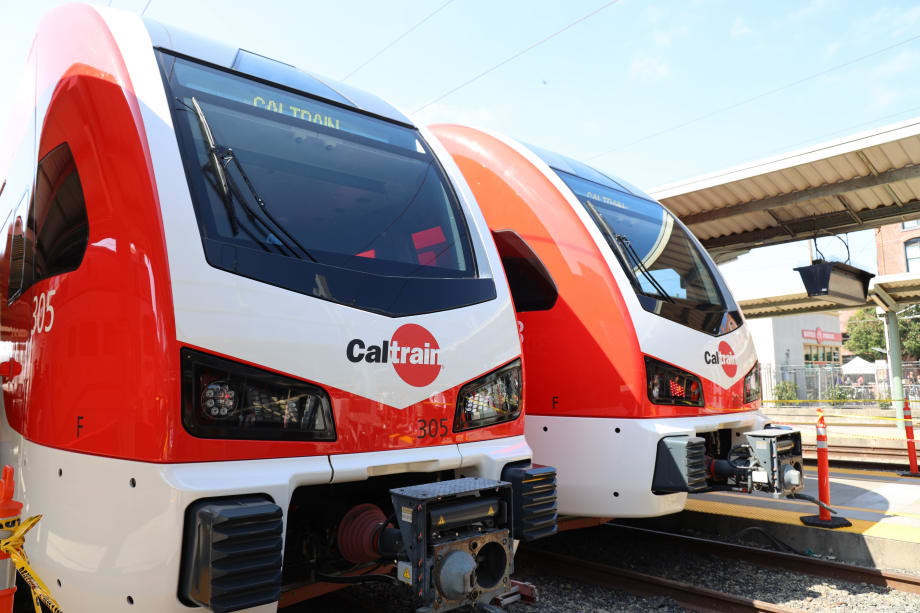
The regional 2026 ballot measure would establish a stable funding source for Caltrain and other Bay Area transit systems, enabling them to maintain reliable and accessible service.
Photo: Caltrain
At its board meeting, Caltrain, based in San Carlos, California, outlined the significant service cuts and operational impacts the agency would face if the proposed regional transit funding measure fails in November 2026 and no new external funding becomes available.
A Regional Issue
Transit agencies across the Bay Area are confronting structural budget shortfalls as post-pandemic travel patterns continue to reshape commuting behavior. Caltrain has responded on three fronts: cutting costs, monetizing resources, and adapting service.
The agency has taken significant cost-cutting measures, including FTE freezes, crewing efficiencies, and reductions to professional services and other non-labor expenses. Caltrain is working on monetizing available resources and diversifying revenue through a non-fare revenue strategy portfolio that includes expanded advertising, property leasing, selling fiber optic cable, and Transit Oriented Development, agency officials said.
The passenger rail line has also undergone modernization and expansion, boosting train frequency beyond traditional commute hours, improving reliability, and enhancing the rider experience following electrification.
The preliminary FY25 budget results are showing positive impacts from the cost efficiencies and more revenue than budgeted.
The focus on quality service is also paying off: ridership has risen 55% compared to September last year, with weekend ridership doubling and four consecutive months of over one million riders. Rider satisfaction also remains high, with 91% of riders approving of the agency in a recent poll. Results from a recent rider satisfaction rating are the highest they have ever been in the 27 years of surveying Caltrain riders.
A Needed Funding Source
The regional measure would establish a stable funding source for Caltrain and other Bay Area transit systems, enabling them to maintain reliable and accessible service.
If the measure fails, Caltrain would be forced to take actions to reduce the structural funding gap, unless new external funding sources are identified.
Potential impacts in the scenario presented include:
Closing more than one-third of stations.
No weekend service.
Reducing service to once an hour.
Ending operations by 9 p.m.
Cutting segments of service.
Caltrain officials said the impacts would significantly undermine the progress the agency has made in recent years to rebuild ridership, improve service reliability, and support clean air goals through electrification.
“Caltrain has made tremendous strides in improving service, expanding ridership, and earning the trust of our riders and communities,” said Executive Director Michelle Bouchard. “The regional funding solution would provide a sustainable funding source to continue those efforts, but should it fail to pass, we will face several scenarios that will affect years of progress, affect tens of thousands of daily riders who depend on Caltrain, increase traffic, and adversely affect the Bay Area’s economy.”
Caltrain officials said the agency will continue to work through budget scenarios with the board in early 2026, providing additional details on potential savings and the downsides of service cuts, which include a significant loss of riders and associated revenue.
More Rail

New York MTA Advances Final Contract for Second Avenue Subway Expansion
Contract Four is the largest in the Second Avenue Subway Phase 2 project and includes construction of station infrastructure, tracks, and signals for the subway expansion, MTA officials said. Work on Contract Four will begin in 2027.
Read More →
San Diego MTS Breaks Monthly Trolley Ridership Record
Agency officials said July’s ridership indicates MTS’s continued recovery from the pandemic.
Read More →
Report Examines NJ TRANSIT Reliability, Funding Challenges
The Garden State Initiative analysis examines the roles of Amtrak infrastructure, fleet management, and agency operations while recommending a more performance-based approach to improving reliability.
Read More →
Stadler, CapMetro Sign Long-Term Rail Fleet Support Agreement
Beginning in 2027, Stadler will provide on-site technical expertise, spare parts support, training, and obsolescence management to help extend the reliability and longevity of CapMetro’s GTW fleet.
Read More →
Biz Briefs: Alstom Lands Canadian Contract, LYT to Supply California TSP, and More
In METRO's latest installment, we take a look at recent news from Complete Coach Works, Beep, FlixBus, and more partnerships making headlines across the transportation sector.
Read More →
CATS Gold Line Marks 5 Years of Service, 2.8M Passenger Trips
With a six-mile expansion planned, the Charlotte streetcar is positioned to connect more neighborhoods and major transit hubs across the region.
Read More →
Why Simulating Pedestrian Movement Has Become Essential for Modern Rail Stations
Pedestrian microsimulation is helping rail planners identify bottlenecks, test station designs, and prepare complex transit hubs for growing passenger volumes.
Read More →
Amtrak Begins Major Construction at New York’s Sunnyside Yard
The new maintenance facility will support Amtrak’s Airo trainsets while improving maintenance efficiency and turnaround times in New York.
Read More →
Chicago Leaders Unveil Plans for O’Hare Airport Express Train
The privately developed project would offer a 15-minute trip between downtown and O’Hare’s Terminal 2, with trains operating every 15 minutes on a dedicated track. The service would use battery-electric trains and three existing freight rail rights-of-way.
Read More →
OCTA Maps Out 30-Year Strategy to Protect Coastal Rail Corridor
The draft feasibility report identifies strategies to protect the coastal rail line for decades as the agency continues near-term stabilization and sand placement efforts.
Read More →