




Related: Caltrain Celebrates Anniversary of Electrified Service with Record Ridership
Caltrain's Electric Trains Now Earn Money While Powering the Grid
Due to a new state policy and clean energy partnerships, Caltrain will be compensated for the renewable electricity its trains generate through regenerative braking.
October 9, 2025
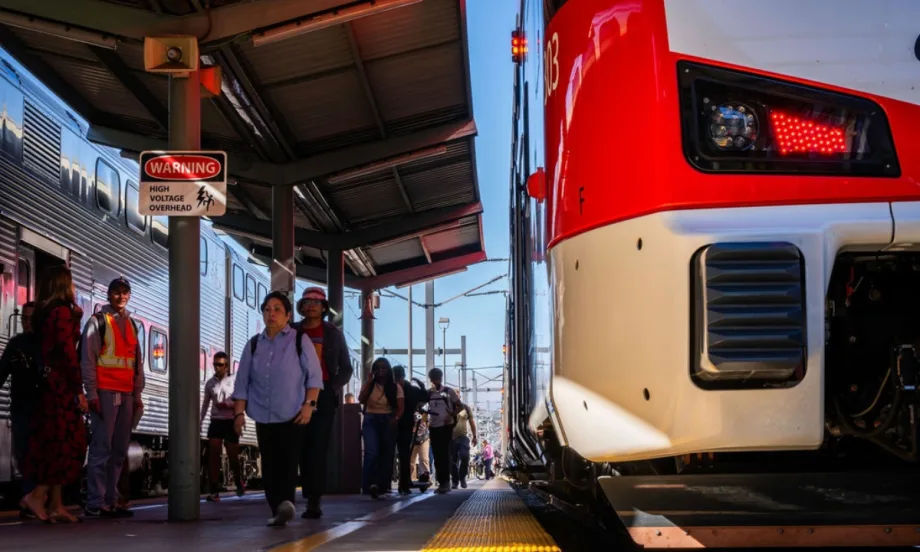
Caltrain's all-electric fleet not only runs on 100% renewable energy but also sends power back to the grid, further boosting sustainability along its corridor.
Photo: Caltrain
3 min to read
Caltrain will now be compensated for the power its new electric trains return to the grid through regenerative braking due to policy changes by its clean energy partners, Peninsula Clean Energy (PCE) and San José Clean Energy (SJCE).
According to an agency release, Caltrain runs on 100% renewable energy supplied by PCE and SJCE, mostly solar and wind. Currently, Caltrain returns approximately 23% of the power it uses back to the power grid, providing power to residents and businesses along its corridor.
SJCE and PCE will now allow Caltrain to qualify for a Net Billing Rate starting in April 2026, enabling Caltrain to receive approximately $1 million annually in compensation for the clean power it sends back to the grid.
"Caltrain's new electric trains don't just use electricity — they also give some back," said Director of San José Clean Energy Lori Mitchell. "Our Green Transportation program is the first in the state and one of the few in the country to give credit to public transit systems like Caltrain for the energy they return to the grid, helping them save money and reduce pollution."
"Our partnership with Caltrain and its bold move to all-renewable and carbon-free electric rail service has already improved the quality of life for our communities and illustrates how powerful local, community-driven leadership can be in better meeting customer needs," said Peninsula Clean Energy CEO Shawn Marshall. "And now with the new regenerative braking, their cleaner, quieter, and more efficient travel will send even more emission-free power back to the larger regional grid."
New California Law Rewards Regenerative Energy Returns
Assemblymember Diane Papan authored AB 1372 to include regenerative braking from electric trains as a renewable electrical generation facility, requiring power providers to compensate railroads that return power to the grid. Now that Caltrain's clean energy suppliers have approved net billing, the passage of this bill is likely to result in Caltrain receiving an additional 20% in compensation from its energy distributor, PG&E.
"I'm pleased to see that the renewable energy that Caltrain is sending back to the grid is being recognized and fairly compensated," said Papan. "This is the right thing for supporting public transit and highlighting the incredible benefits of electrification."
"Caltrain running train service on 100% renewable energy for the first time in 161 years is a victory in and of itself," said Caltrain Executive Director Michelle Bouchard. "But now that our partners at PCE and SJCE have agreed to compensate us for the power we return to the grid, we have yet another reason to celebrate our transition to the electric fleet."
Originally estimated at approximately $19.5 million annually, Caltrain's electricity use since the launch of electric service averages 207 MWh on weekdays and 175 MWh on weekends, revising the cost estimate to $15.3 million.
PCE and SJCE 100% renewable energy products also allow Caltrain to generate revenues from the California Low Carbon Fuel standards program, further lowering Caltrain's electric fuel costs.
According to Caltrain, regenerative braking was first introduced in electric trains in 1886. They work by driving an electric motor in reverse to recapture energy rather than losing it as heat during braking. Caltrain's fleet is designed to return that power to the Overhead Contact System (OCS), which feeds it to the nearest traction power facility. From there, it can be used to power other trains on the system or returned to the grid.
More Management
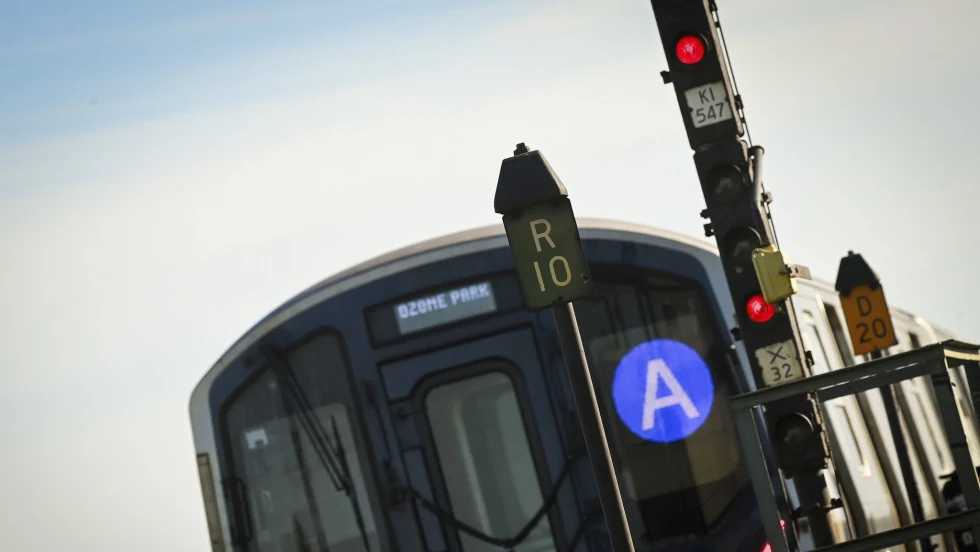
New York MTA Launches Historic $1.9B Signal, Track Modernization Project
Funded in part by congestion pricing revenue, the project will replace nearly century-old signals along the A and C lines in Brooklyn and Queens.
Read More →
Brian Dickson on Building Stronger, More Resilient Transportation Organizations
Bus Business Consultants Founder Brian Dickson discusses the leadership principles, operational discipline, and strategic planning that separate transportation companies positioned for long-term success from those stuck in survival mode.
Read More →
LA Metro Breaks Ground on Vermont BRT Project
The 12.4-mile corridor is projected to serve 66,200 daily riders, reduce travel times by up to 24%, and create the nation's busiest bus rapid transit corridor.
Read More →
Building Stronger Leaders, More Resilient Transit Teams
Dr. Carol Parker Walsh discusses leadership development, employee retention, workplace culture, and preparing transit’s workforce for AI and automation.
Read More →
Roman Cornell on ABC Companies’ Evolution and the Future of Passenger Transportation
The company’s CEO discusses carrying forward a third-generation family legacy, ABC’s continued evolution in passenger transportation, support for increasingly complex fleets, and how technology and continued investment could help operators improve uptime.
Read More →
CATS Launches West Charlotte Microtransit Zone, Expands Transit Services
The new microtransit zone connects residents to key destinations as Charlotte Area Transit System rolls out the first phase of its 2055 Transit System Plan.
Read More →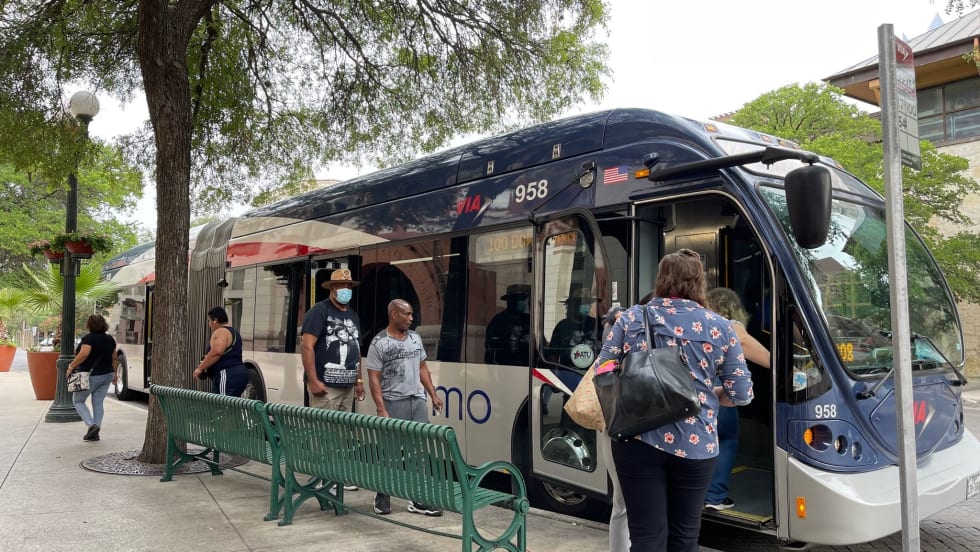
VIA Bus Ridership Grows 10.1% Through August 2026
San Antonio's VIA Metropolitan Transit reported the highest bus ridership growth among major Texas transit systems. Federal Transit Administration data ranked it second among the nation's 50 largest transit systems.
Read More →
CSA Group Releases Climate Resilience Standard for Transit, Passenger Rail
Developed with support from the Standards Council of Canada, CSA D700 guides assessing climate-related risks and planning adaptation measures for transit and passenger rail systems.
Read More →
ETA CEO John Maglio on Transit Technology, Innovation, and Building Agency Trust
ETA founder and CEO John Maglio explores the evolution of transit technology, the importance of reliable systems, and how stronger partnerships can help agencies improve operations and the passenger experience.
Read More →
COTA Launches First Customer Experience Action Plan to Improve Transit Service
The new plan outlines improvements to service reliability, accessibility, communication, and the overall rider experience across Central Ohio's transit system.
Read More →