




Related: CTA Set to Complete Improvements at 44 Bus Turnarounds, Rail Stations
Federal Directive Targets Rising Chicago Transit Authority Assaults
The Federal Transit Administration is ordering the agency to update its safety plan and roll out security upgrades by mid-December, warning federal funds could be withheld.
December 9, 2025
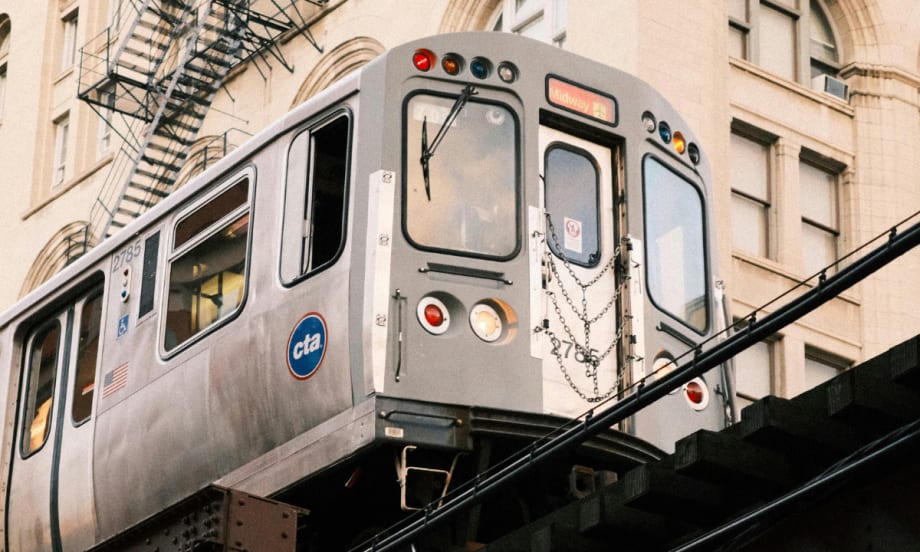
A recent special directive demands that the Chicago Transit Authority develop and implement a plan to measurably reduce assaults on transit workers and passengers.
Photo: Alec Adriano
3 min to read
Federal Transit Administration (FTA) Administrator Marc Molinaro recently sent a letter to Illinois Governor JB Pritzker and Chicago Mayor Brandon Johnson, issuing a special directive to the Chicago Transit Authority (CTA).
The Federal Transit Administration describes special directives as “orders from the federal government that require FTA-regulated transit agencies or state safety oversight agencies to take specified actions to address safety issues within a specified period.”
The directive demands that the agency develop and implement a plan to measurably reduce assaults on transit workers and passengers, and to address unsafe conditions that have contributed to increased crime on CTA’s bus and rail system.
According to an FTA release, this directive follows an attack on a 26-year-old passenger riding CTA’s Blue Line on November 17th by a “repeat criminal with a reported 72 prior arrests.”
“It’s the responsibility of leaders at every level to create a safe system for all riders and workers on transit,” Molinaro said. “If CTA does not take immediate action to increase its law enforcement presence, we will withhold federal funds.”
Special Directive Sets December Deadlines to Curb Assaults
FTA issued the directive as part of its oversight role and to continue to ensure transit remains the safest mode of surface transportation. Under its Public Transportation Safety Program, FTA oversees and supports transit safety, including issuing special directives.
Statistics CTA has reported to the National Transit Database (NTD) indicate that the rate of assaults on transit workers on CTA rail and bus service has exceeded the national average of comparable transit agencies every year since fiscal year 2015.
Assaults against customers on CTA vehicles and property have increased 150% in the past five years. The recent directive issued requires CTA to “take immediate action to protect transit workers and passengers from assaults and other criminal activity.”
The special directive identifies two findings:
CTA’s “failure” to update its Public Transportation Agency Safety Plan.
CTA’s maintenance of a safe operating environment for workers and passengers, including “failing to implement adequate mitigations to address a years-long pattern of elevated worker and customer assaults and serious violent crime.”
The directive includes actions that CTA must complete, including: (1) CTA must update its Agency Safety Plan by the end of December and send the plan to FTA within seven business days of approval by CTA’s Transit Board Committee; (2) by December 15, 2025, CTA must develop a security enhancement plan for FTA review and approval; and (3) by December 19, 2025, CTA must implement the security enhancement plan approved by FTA.
FTA will receive submissions and monitor CTA’s progress in resolving each finding and required action. FTA may also conduct onsite inspections and assessments to confirm implementation of required actions and provide technical assistance to CTA to help address the agency’s safety issues.
More Security and Safety

Transit Agencies Highlight Safety Gains at National Summit
Leaders from 15 major transit systems shared crime-reduction results and safety initiatives while discussing the role of continued federal support.
Read More →
DART Launches Major Security, Fare Enforcement Initiative
The 90-day demonstration will deploy coordinated security teams at five light rail stations while testing controlled access and gathering data to guide future investments.
Read More →
RTD Launches NextRide App to Consolidate Trip Planning, Fares, Security Reporting
The app expands on RTD’s existing NextRide web application and allows customers to view real-time vehicle locations and service alerts, purchase and store digital fares, and access customer support.
Read More →

TAPTCO Updates OSHA Compliance Training for Transit Maintenance Operations
The revamped program addresses 26 OSHA standards for maintenance facilities, with TAPTCO pointing to training, documentation, and everyday shop hazards as continuing challenges for transit operations.
Read More →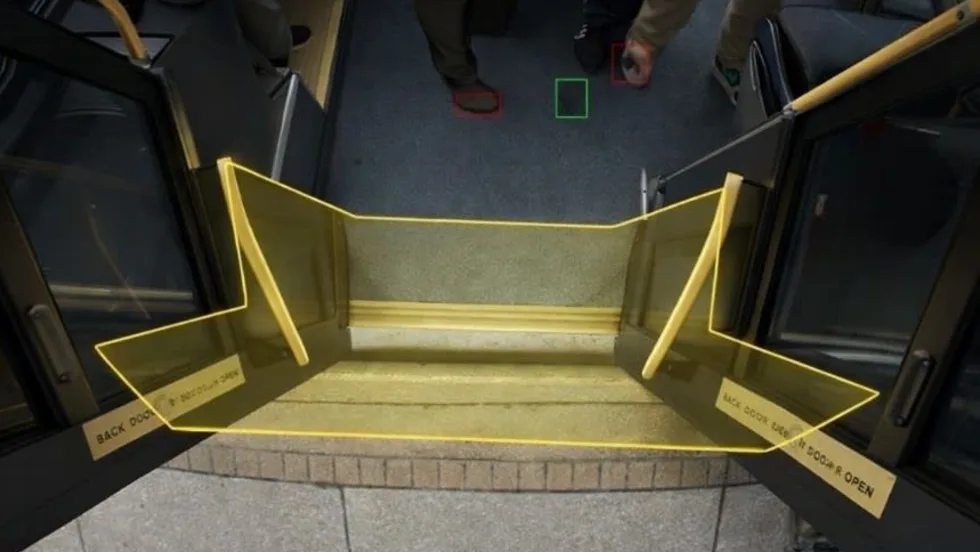
Sponsored•August 18, 2026
How VaporVision Adds Value to Transit Door Systems
Wabtec engineers explain how the system improves doorway detection, strengthens diagnostics and gives transit agencies and OEMs greater operating flexibility.
Read More →
FRA Announces $5.3B in Rail Investments, Including $2B for Amtrak
Funding will support grade-crossing improvements, infrastructure upgrades, and new Amtrak equipment in 23 states.
Read More →
Chicago, Maryland Expand Non-Law-Enforcement Safety, Rider Support
The CTA and MTA are launching new programs aimed at de-escalation, crisis response, rider assistance, and greater transparency.
Read More →
LA Metro, City of West Hollywood, and Partners Advance Smarter Bus Lane Enforcement
The award-winning partnership combines AI-powered detection with human oversight to improve bus reliability, accessibility, and enforcement efficiency.
Read More →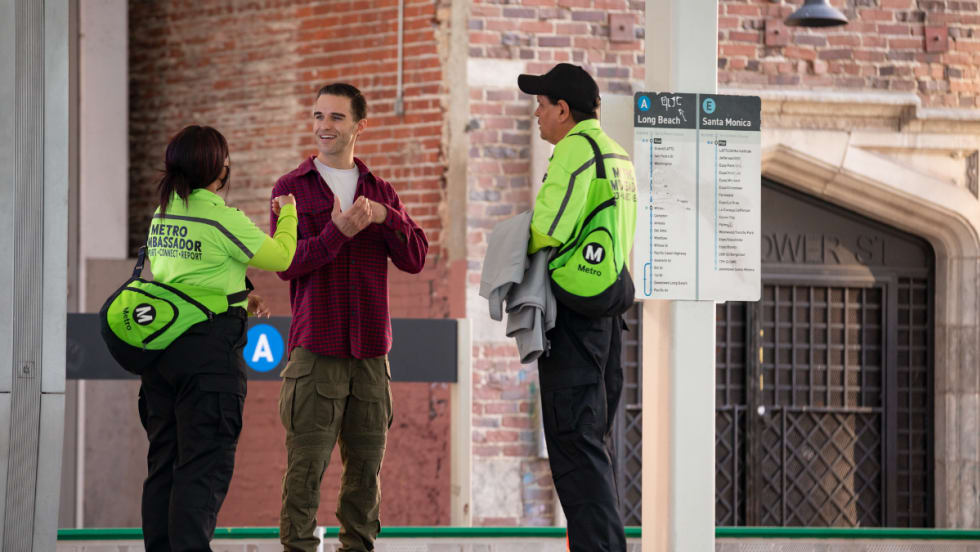
LA Metro Reports 57% Decline in Homelessness on Transit System Since 2024
The agency's latest homelessness count offers new data on how care-based services and cross-sector partnerships can complement traditional transit security strategies.
Read More →
FTA Launches 'Transit Moves America' Dashboard to Highlight Agency Safety and Performance
The online dashboard transforms National Transit Database information into a public-facing resource that allows users to compare transit agencies on key operational and safety metrics.
Read More →