



Chicago Fully Restores Bus Service to Pre-Pandemic Levels
Nineteen bus routes are receiving additional service under the winter schedule, as the CTA continues to add more bus operators — the result of the agency’s aggressive recruiting and hiring efforts.

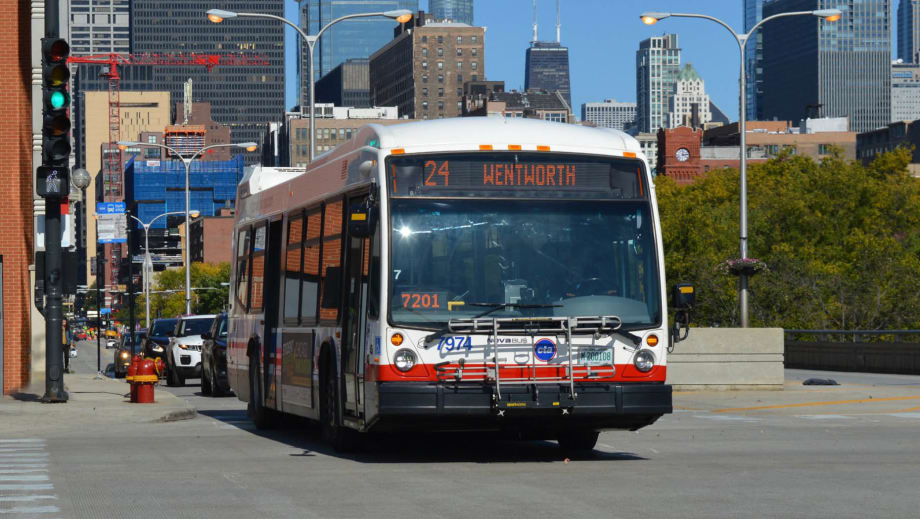
The CTA bus network will be returning to pre-pandemic service levels with some strategic adjustments at the route level to better meet changing ridership patterns.
Photo: CTA
Chicago Transit Authority (CTA) riders will see more scheduled bus service across the region — the final step in meeting the agency’s goal of providing pre-pandemic scheduled service hours by the end of 2024.
Nineteen bus routes are receiving additional service under the winter schedule, as the CTA continues to add more bus operators — the result of the agency’s aggressive recruiting and hiring efforts.
“Our ability to provide pre-pandemic service marks not a finish line but a milestone in providing the exceptional bus service our riders deserve,” said CTA President Dorval R. Carter Jr. “In 2025, we will be expanding on this milestone and looking to make further improvements to our service. The work of providing world-class transit service means there will always be improvements to be made.”
CTA’s Bus Network Improvement
The bus network will be returning to pre-pandemic service levels with some strategic adjustments at the route level to better meet changing ridership patterns. CTA will continue to analyze ridership trends and mobility patterns to determine additional service adjustments that can better meet evolving ridership.
The latest changes to the bus schedules are being implemented as part of CTA’s quarterly scheduling process for bus operators.
The CTA has seen an increase in ridership on routes that have received more service throughout the year.
Ridership on routes that already received additional service in 2024 were up 14% to 15% year-over-year in October, while routes that did not receive service adjustments have also increased, but at a lower rate of 10% during the same period.
More Bus

ENC Lands MATA Contract and More in Biz Briefs
In this edition of Biz Briefs, we spotlight the latest developments shaping the future of mobility.
Read More →
From Surviving to Thriving: Building Stronger Transportation Organizations
Bus Business Consultants founder Brian Dickson shares lessons on leadership, organizational health, and creating options for long-term success in a changing transportation industry.
Read More →
Everett Transit, Community Transit Outline Consolidation Agreement
The proposed agreement calls for a 50% increase in bus service in Everett, a new microtransit zone, continued paratransit service, and the transfer of Everett Transit operations to Community Transit.
Read More →
SEPTA Details Accelerate Vision for Transit System
The plan outlines investments in trolley modernization, new Metro and Regional Rail vehicles, accessible stations, and more frequent bus and rail service.
Read More →
Report: Transit Bus Manufacturing Supports 34,100 Jobs, $5.1B in GDP
The “Buses Mean Business” report examines the transit bus manufacturing industry’s economic footprint, supply chain, and rising demand for vehicle replacements.
Read More →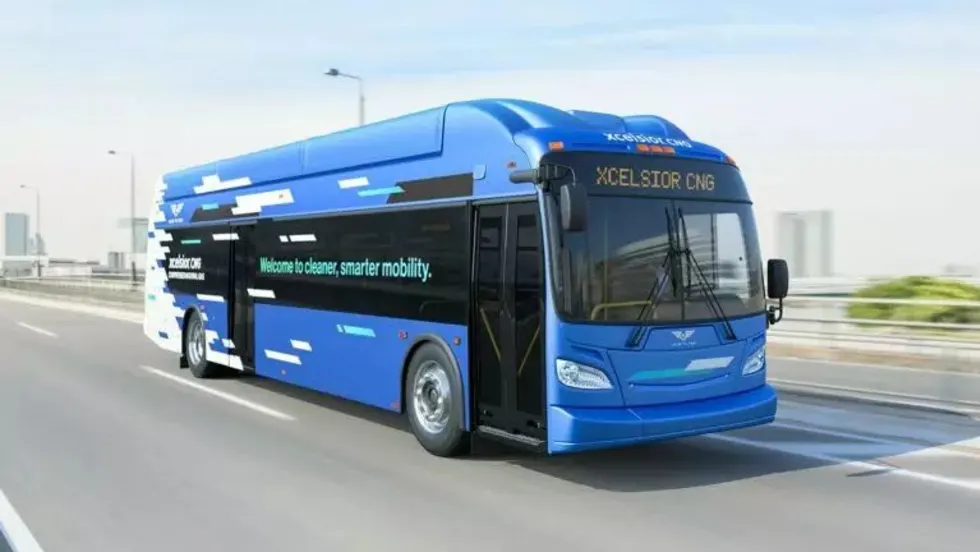
Biz Briefs: New Flyer Delivers in Columbus, Houston, Beep and Freebee Merge, and More
In this edition of Biz Briefs, we spotlight the latest developments shaping the future of mobility.
Read More →
People Movement: Dan Dipert Coaches Adds Third-Generation Leader, Keolis Names New Valley Metro VP/GM, and More
In this edition, we also cover recent appointments and announcements at the Wabtec, SilverRide, HNTB, and more, showcasing the individuals helping to shape the future of transportation.
Read More →
New York MTA Plans Largest Bus Fleet Upgrade in More Than a Decade
The agency is seeking manufacturers for 650 new CNG buses to replace aging vehicles, improve reliability, and advance its broader fleet modernization strategy.
Read More →
Building a Flexible Path to Transit Electrification
John Hroncich discusses BAE Systems’ modular and scalable approach, lessons learned from decades of real-world operations, and how agencies can identify electrification strategies that fit their fleets.
Read More →
Bus Tech Talk: Keeping Transit Technicians Ahead of the Technology Curve
LA Metro’s Obed Mejia discusses technician training, evolving maintenance technology, fleet replacement, and strategies for getting the most out of today’s transit fleets.
Read More →