



E-scooter video depicts how sidewalk use impacts people with disabilities
In video, Portlanders with disabilities share how illegal e-scooter sidewalk riding and improper parking impact their safety.

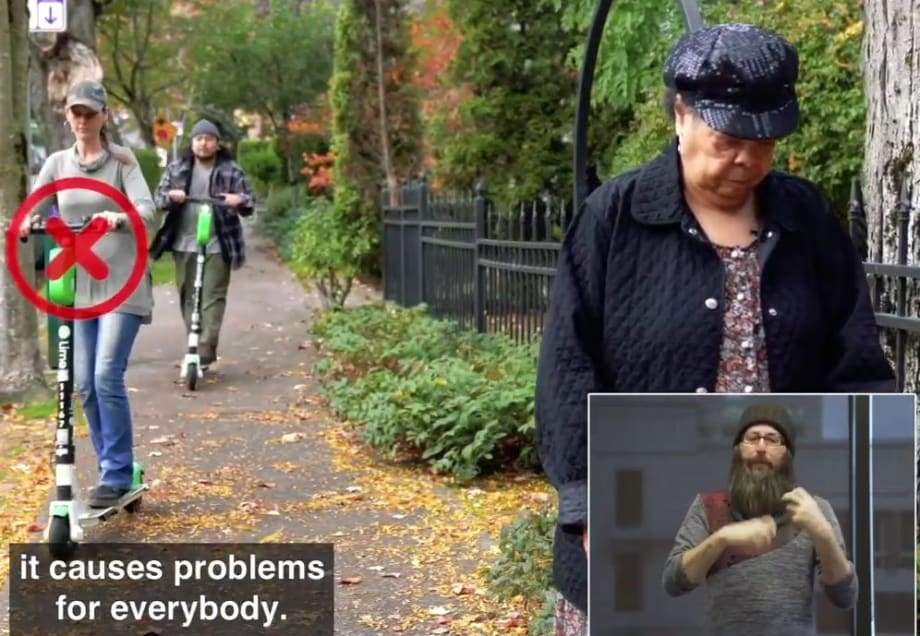
The video is believed to be the first time a city has partnered with a shared e-scooter company to create content intended specifically to address the effects of illegal e-scooter riding on people with disabilities.
Screenshot via PBOT/Lime

The Portland Bureau of Transportation (PBOT) teamed up with Disability Rights Oregon, Rooted in Rights, and Lime to release a new e-scooter safety video that raises awareness of the importance of sidewalk access for people with disabilities.
The video is believed to be the first time a city has partnered with a shared e-scooter company to create content intended specifically to address the effects of illegal e-scooter riding on people with disabilities. The release is timed to honor the United Nations’ International Day of Persons with Disabilities.
PBOT released the video in Portland, and Lime will roll out a shorter version in their markets nationwide.
The central message of the new video: “Scoot Smart, Portlanders!”
Ride in the street or bike lane.
Park correctly, near the curb, out of the path of travel and away from buildings and transit stops, and leaving enough space for people using mobility devices to get by.
Wear a helmet.
The video focuses on Portlanders with disabilities who share how illegal e-scooter sidewalk riding and improper parking impact their ability to safely get around.
In 2018, PBOT hosted a focus group with people with disabilities to learn more about the impact of e-scooters. PBOT heard that sidewalk riding was a major concern for seniors and people with disabilities, and that illegal parking was of concern for people who are blind or experience low vision. In response, PBOT was directed to invest in user enforcement and education during the 2019-20 pilot. A partnership with Disability Rights Oregon, Rooted in Rights, and Lime emerged out of several conversations of how to raise awareness amongst riders.
Since April 26, PBOT has issued more than 700 penalties and 57 warnings to companies for improper user behavior. Companies are required to issue notifications, warnings, fines, and account suspensions to users who are not operating e-scooters legally. PBOT regulatory specialists are monitoring sidewalks, documenting instances of illegal scooter riding and parking and providing those to the companies. After receiving a warning, e-scooter riders may receive a fine of $50 for riding on sidewalks or $15 for illegal parking.
The 2019 Shared Electric Scooter Pilot Program started on April 26. It follows a 120-day pilot program in 2018 that showed a shortage of safe places to ride led many to ride e-scooters on sidewalks. To make more safe places to ride e-scooters, e-scooter riders are charged a 25 cent street use fee, and companies are charged a five to 20 cent right-of-way fee to generate funding to build safe places for people to use e-scooters, such as protected bike lanes and neighborhood greenways. PBOT learned in the first pilot that where e-scooter users had safe places to ride in the street, sidewalk riding decreased. The investments will also improve safety for people walking, biking or using mobility devices.
More Paratransit
New York MTA Leverages Zoning Program to Advance Station Accessibility
Accessibility enhancements at Nevins St Station will be financed through a development agreement tied to the MTA's Zoning for Accessibility initiative.
Read More →
Reinventing Fleet Maintenance with Real-time Visibility and AI
Transit leaders need to know what needs fixing, where to look, who is responsible, when work is completed, and what it costs without having to chase information across disconnected systems.
Read More →
SamTrans Sets Priorities for Potential Connect Bay Area Revenue
The board-approved framework allocates future funding to maintaining service, rider improvements, equity initiatives, and infrastructure repairs.
Read More →
Chicago's NITA Act Moves Into Next Phase as Service Improvements Begin
Rider-focused improvements will begin rolling out across the system immediately as CTA, Metra, and Pace increase service this summer in the six-county region.
Read More →
2026 METRO Buyer’s Guide & Directory
Searching for the right vehicles, technology, equipment, or services for your public transit or motorcoach operation? This industry guide brings together manufacturers and suppliers from across the transportation market — all in one place. Download it to connect with the companies that help agencies and operators improve mobility, enhance operations, and move their organizations forward.
Read More →
Rays the Mark Foundation to Honor CDTA’s Emily DeVito at October Fundraiser
Event at Chicago-area Ravisloe Country Club will support DeVito, a transit employee and mother of twins battling kidney failure and awaiting a transplant.
Read More →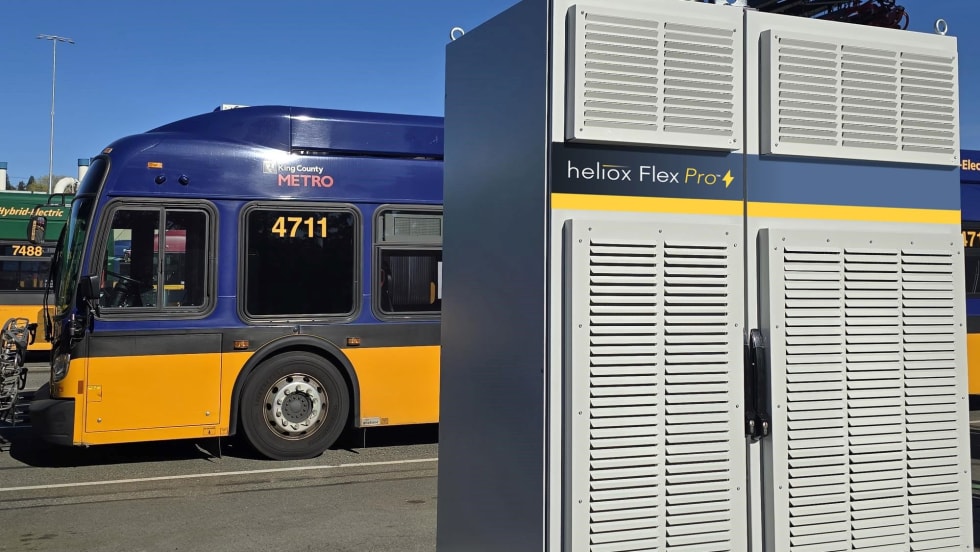
King County Test Heliox Chargers, Keolis Lands California Contract Top Biz Briefs
Stay informed with these quick takes on the projects and companies driving progress across the transportation landscape.
Read More →
Spare Expands AI-Native Operations Platform With Fixed-Route Capabilities
The launch marks a major milestone in Spare’s vision for unified transit operations.
Read More →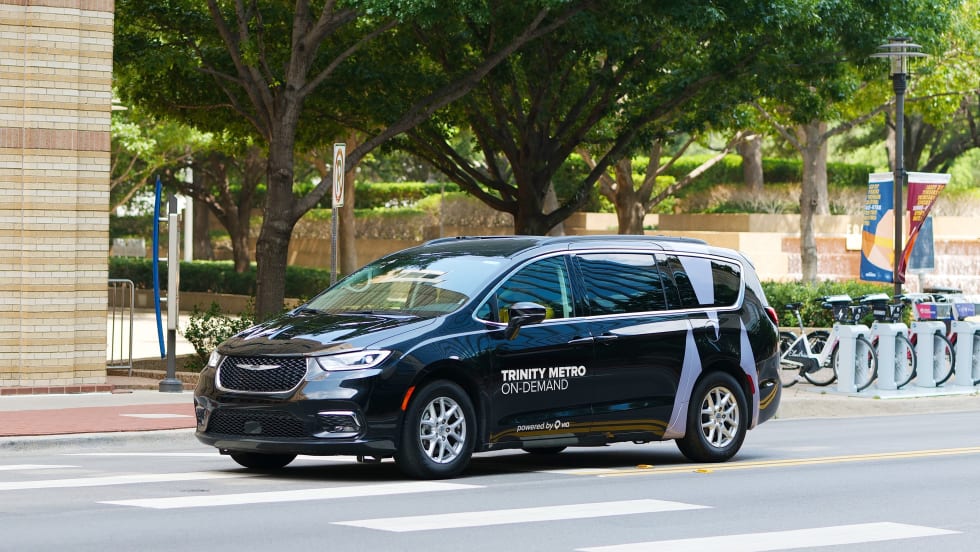
Via Announces Scheduling and Supply Studio
The Scheduling and Supply Studio provides the world’s first fully integrated platform for optimizing vehicle and driver availability to rider demand, said company officials.
Read More →
Boston's MBTA Completes Latest Green Line Work
The work took place during 12 consecutive days of shuttle bus service replacement between Kenmore and Cleveland Circle.
Read More →