



Spare Expands AI-Native Operations Platform With Fixed-Route Capabilities
The launch marks a major milestone in Spare’s vision for unified transit operations.

With the introduction of Spare Fixed Route, agencies can now plan routes and stops, build schedules, monitor live service, and publish GTFS data to rider-facing apps within the same platform.
Spare
- Spare has expanded its AI-native operations platform to include fixed-route capabilities.
- This expansion is a significant step towards Spare's goal of integrating various transit operations into one system.
- The update aims to enhance the functionality and efficiency of transit systems by incorporating fixed-route options.
*Summarized by AI
Spare announced an expansion of its unified AI-native platform with the launch of Spare Fixed Route.
With fixed-route planning, scheduling, operations, and GTFS now built into the same AI-native platform that agencies already use for demand-response, transit teams can manage every major mode of service in one modern system, officials explained.
The launch marks a major milestone in Spare’s vision for unified transit operations.
Unifying Operations
Transit agencies have often used separate systems for route planning, service scheduling, operations management, and rider communications. Spare said its AI-based platform combines those functions into a single system designed to help agencies coordinate services across transportation modes and manage operational changes and rider demand.
With the introduction of Spare Fixed Route, agencies can now plan routes and stops, build schedules, monitor live service, and publish GTFS data to rider-facing apps within the same platform. Rather than stitching together multiple vendors and manual handoffs, transit teams can run fixed-route, on-demand, and paratransit services through a shared, AI-native operational foundation, explained Kristoffer Vik Hansen, CEO and co-founder of Spare.
“Our vision is to create a single, AI-native platform that connects planning, operations, and rider information across every type of transit service,” he said. “This unified intelligence layer helps agencies bring those services together in a smarter way by spotting transfer opportunities, reducing operational blind spots, and improving how the whole network works. Fixed route is a key part of that vision, and this launch is another step toward giving agencies one flexible foundation for running public transportation.”
Moving Toward Optimization
Spare officials added that its Fixed Route product reflects a broader shift in transit operations: moving agencies away from managing individual service types in silos and toward optimizing the network as a whole.
Through an intuitive map-based interface, planners can design routes and stops, define service calendars and timetables, and create reusable templates for recurring service patterns. Schedules can then be built and visualized by day, week, or month, giving teams a simpler way to plan, coordinate, and manage service on a single unified platform.
The platform provides operations teams with real-time information on vehicles, routes, and schedules across services. According to Spare, dispatchers can use the system to monitor schedule adherence, track traffic conditions, and implement detours during service disruptions or special events.
Spare Fixed Route also simplifies one of the most challenging aspects of transit operations: GTFS data management, said officials.
Instead of maintaining a separate GTFS system, agencies can generate schedules and real-time feeds directly from the platform. Spare then publishes this data to rider-facing services, helping ensure riders always see accurate schedules and live vehicle locations through a unified source of truth.
“Transit networks are becoming more dynamic, and the agencies that will thrive are the ones with technology that can keep pace,” said James McCarthy, VP of growth, for Spare. “When agencies share data and operations across modes, they can identify transfer opportunities, respond to service gaps in real time, and help riders move through the network more seamlessly.”
Quick Answers
The launch signifies a major milestone in Spare's vision for integrating AI-native operations with fixed-route transit capabilities, aiming to unify transit operations.
*Summarized by AI
More Technology
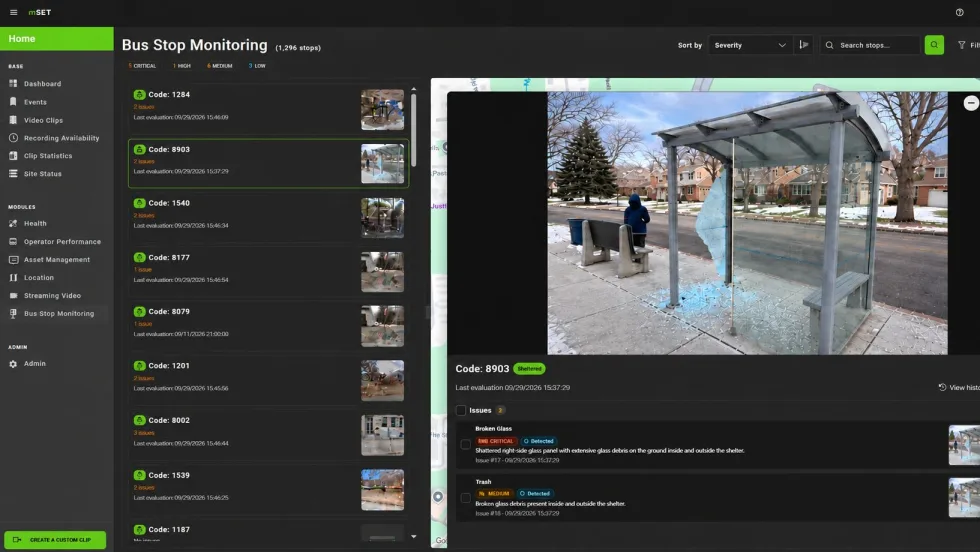
Biz Briefs: Luminator Launches AI Technology to Monitor Bus Stop Conditions and More
In METRO's latest installment, we also take a look at recent news from Masabi, Troman Industries, ioki, CCW, and more partnerships making headlines across the transportation sector.
Read More →
Public Transit Conference Returning to GFX in 2027, Call for Papers Now Open
The Call for Papers is now open, allowing transit agency professionals and industry experts to help shape the PTC educational program by submitting session ideas for consideration.
Read More →
ENC Lands MATA Contract and More in Biz Briefs
In this edition of Biz Briefs, we spotlight the latest developments shaping the future of mobility.
Read More →

Strada360’s Steve Lassey on Turning Transit Data Into Better Decisions
From breaking down data silos to preparing for AI, Strada360 CEO Steve Lassey discusses how transit agencies can use technology to improve operations, customer information, and long-term decision-making.
Read More →
Almaviva Looks to Open Architecture to Advance Transit Technology
Eric Reese discusses how interoperability, open architecture, and modular design can help transit agencies control costs, reduce vendor lock-in, and upgrade technology without starting over.
Read More →
Driving Smarter Paratransit
John Hanlon shares how AlphaRoute is leveraging AI-powered technology to help paratransit providers optimize operations, support frontline staff, and enhance the rider experience.
Read More →
From Hardware to Digital Partner: Luminator Charts Its Next Chapter
CEO Magnus Friberg discusses Luminator’s shift toward becoming a digital partner, the growing importance of software and interoperability, and how AI can help agencies improve operations and passenger experience.
Read More →
Beyond the Checklist: A Structured Approach to Transit Maintenance
Reliability-Centered Maintenance helps transit agencies move beyond routine checklists to focus limited resources on the assets and failures that have the greatest impact on safety, reliability, and service.
Read More →
NJ TRANSIT Advances Bus Technology Upgrades Across Statewide Fleet
More than 1,500 buses now feature upgraded technology designed to improve arrival predictions and provide free Wi-Fi, with deployment expected to reach nearly 2,000 buses by the end of 2026.
Read More →
Building a Flexible Path to Transit Electrification
John Hroncich discusses BAE Systems’ modular and scalable approach, lessons learned from decades of real-world operations, and how agencies can identify electrification strategies that fit their fleets.
Read More →