



2012 Women In Transportation: Norma Zamora
GM Brownsville Metro Brownsville, Texas
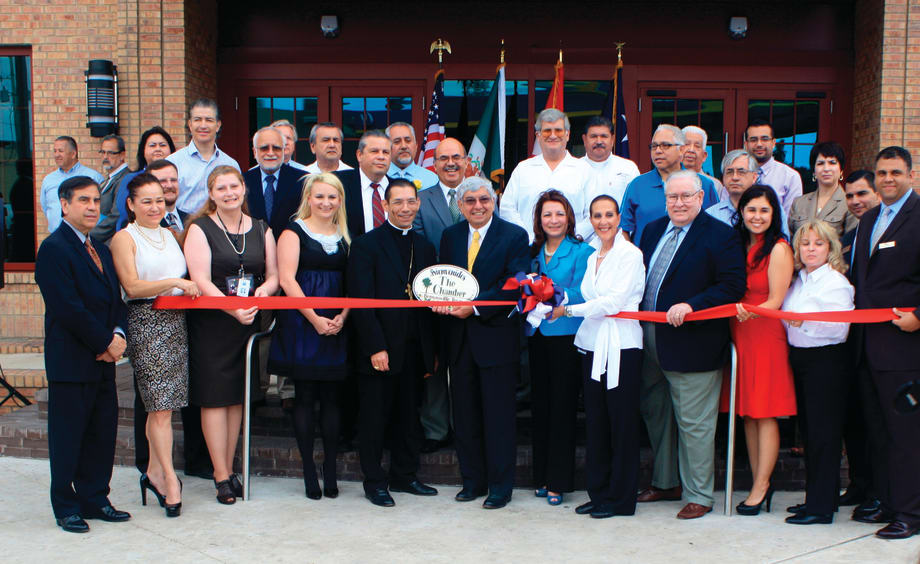
Norma Zamora never thought she would one day manage a transit agency. Raised in a traditional home in Robstown, Texas, she was expected to get married and have children upon graduating high school. Zamora did just that, but eventually realized her discontent with that lifestyle.
A few years after her son was born, she broke the cycle by enrolling in Texas A&I University to complete her bachelor’s in Business Administration with an emphasis in accounting. In 1992, she was the first of her seven siblings to graduate college.
With some professional accounting and bookkeeping experience under her belt, she found a job at First Transit (formerly Ryder/ATE) in 1993 doing operational analysis.
“I got intrigued by the service,” says Zamora. “Before I started, I hardly knew about buses; we didn’t have public transportation where I grew up. I realized how much some people depend on it, and by working for First Transit, I could help the public.”
Zamora eventually moved to Dallas, becoming a contract liaison between her company and Dallas Area Rapid Transit (DART). After three years, she was promoted to administrative manager, then operations manager, and eventually, assistant GM. At that point in time, she was managing 100 vehicles and about 200 employees.
Professionally, Zamora was exactly where she wanted to be, but by living in Dallas, felt too far away from her family. Therefore, in 1998, when an opportunity for GM of Texas’ Brownsville Metro — which was then called Brownsville Urban System (BUS) — came along, Zamora was first in line. She has been in this position for the past 14 years.
She’s responsible for overseeing the current transit department for the city of Brownsville, which includes 98 employees, 24 fixed-route buses and 11 paratransit buses. She’s also instrumental in the planning process to expand the regional transit services.
“We’re at a point where we can sustain the current service we have, but there’s a need to expand so my team always has to work together to figure out how to leverage those dollars to make expansion happen,” says Zamora.
From 1998 to 2000, Zamora helped orchestrate a city-wide bus stop, bench and shelter renovation. Brownsville Metro had $1.2 million to make bus stop improvements throughout the city. Zamora saw the project through to completion. In 2004, she also helped see through the automation of transit ticket collection and helped computerize reservations as well. All upgrades were complete by 2006.
Under Zamora’s leadership, Brownsville Metro has also built La Plaza at Brownsville, a multimodal terminal that encompasses approximately 5.4 acres of land downtown. The two-story building with 36 bus bays and canopy shelters provides services for international, rural intercity and national buses that depart daily. La Plaza is only two blocks away from the Gateway International Bridge, which connects the U.S. to Mexico.
Currently, Zamora is overseeing the planning and construction of a three-floor parking garage adjacent to La Plaza, which is scheduled to be completed by the fall of next year.
Zamora finds it most rewarding to work with Brownsville’s citizens. Recently, a new bus stop was added by popular demand. An elderly woman stopped Zamora on the street to thank her because the new stop transports her closer to her local grocery store.
“Someday that elderly lady will be me, so we need to be reliable to our passengers,” says Zamora.
In April 2010, the Texas Transit Association named Zamora the state’s Outstanding GM of the Year. The award recognized Zamora’s dynamic contributions to the public transportation industry since 1993.
More Bus

New York MTA Plans Largest Bus Fleet Upgrade in More Than a Decade
The agency is seeking manufacturers for 650 new CNG buses to replace aging vehicles, improve reliability, and advance its broader fleet modernization strategy.
Read More →
Building a Flexible Path to Transit Electrification
John Hroncich discusses BAE Systems’ modular and scalable approach, lessons learned from decades of real-world operations, and how agencies can identify electrification strategies that fit their fleets.
Read More →
Bus Tech Talk: Keeping Transit Technicians Ahead of the Technology Curve
LA Metro’s Obed Mejia discusses technician training, evolving maintenance technology, fleet replacement, and strategies for getting the most out of today’s transit fleets.
Read More →
Biz Briefs: RIPTA Unveils New Frontrunners, Clevland RTA Adds New Siemens, and More
In METRO's latest installment, we take a look at recent news from Siemens, Prevost, Dodge, and more partnerships making headlines across the transportation sector.
Read More →
People Movement: Holly Arnold Joins Transdev and More
In this edition, we also cover recent appointments and announcements at Pace, CamTran, MCI, and more, showcasing the individuals helping to shape the future of transportation.
Read More →
The High Cost of Transit Buses: Industry Leaders Look to Procurement Reform
Transit leaders and policymakers examine how standardized bus designs, streamlined procurement, and predictable funding could help agencies stretch budgets and deliver better service.
Read More →
The Business Voice Behind Public Transportation
As chair of APTA’s Business Members Board of Governors, Ray Melleady explains how more than 850 business members are partnering with transit agencies to advance funding, innovation, and industry-wide collaboration.
Read More →
From Surviving to Thriving: Building Stronger Transportation Organizations
Bus Business Consultants founder Brian Dickson shares lessons on leadership, organizational health, and creating options for long-term success in a changing transportation industry.
Read More →
Finding the ‘Happy Medium’: Optimizing Maintenance Without Sacrificing Reliability
The key to maintenance optimization isn’t doing less work—it’s doing the right work at the right time on the right assets.
Read More →
LA Metro, City of West Hollywood, and Partners Advance Smarter Bus Lane Enforcement
The award-winning partnership combines AI-powered detection with human oversight to improve bus reliability, accessibility, and enforcement efficiency.
Read More →