



56% of Small Operators Concerned with Driver Shortage
Fleets are characteristically smaller in part two of METRO’s motorcoach survey, with 33% of operators making no new bus purchases this year.
This year, in addition to METRO’s annual Top 50 Motorcoach Fleets (January 2002), we sent out a supplemental list of questions, where fleet size was not a qualifying criterion, to operators nationwide. Here are the results of part two of our survey. Smaller fleet numbers Although fleet size was not a factor, the survey shows that three out of four respondents (76%) have 10 buses or fewer in their fleets, making this in some way our “small operator” survey. The average fleet size totaled eight buses. Operators listing fleet sizes between one and five buses account for 49% of respondents, while 27% have six to 10 buses. Fleets numbering between 11 and 20 buses represent 15% of the total. Rounding out the list are 9% of fleets having 21 buses or more. This high range topped off at 38 buses from Cardinal Buses Inc. in Middlebury, Ind. With the economy still on a downward slide, these smaller fleets are not looking to expand anytime soon. Conservative bus buying numbers forecast a belt-tightening trend for a majority of the operators responding. A few daring fleets (7%) plan to purchase three or more buses in 2002, while 60% will buy one or two. One-third of respondents have no plans to purchase buses this year. More than 80% of the operators were satisfied with the quality of the buses they received within the past year. The remaining 17% cited high procurement and maintenance costs, faulty computer systems as well as lack of dealer support as reasons for not being satisfied with bus purchases. Driver specific responses The average hourly wage fell between $7 to $15-plus per hour, with the largest number of drivers (34%) earning $10 to $10.50 an hour. The second largest percentage of drivers (17%) makes between $9 to $9.50. Only 16% of drivers earn less than $8.50 an hour, whereas 33% earn a minimum of $11 an hour, with 7% of those being paid the highest rate of $15-plus. The driver shortage appears to be a moderate concern for 37% of operators responding. Forty-four percent of fleets regard the driver shortage as non-existent or mild. The remaining 19% characterized the shortage problem as severe. Target markets Seniors make up the dominant target market for motorcoach operations with a 37% share. Schools come in second with 30%, and the steadily growing corporate market registers with 22%. Capping off with 11% is the “other” category, which includes church groups and the military.
More Management

Bus Tech Talk: Keeping Transit Technicians Ahead of the Technology Curve
In this episode of Bus Tech Talk, Complete Coach Works’ Business Development Manager Mark Hollenbeck and METRO’s Executive Editor Alex Roman sit down with Obed Mejia, Senior Technical Trainer for Bus Maintenance, at LA Metro to discuss how rapidly evolving bus technology is changing the maintenance shop — and the skills technicians need to keep pace.
Read More →
Michael Schneider Joins Paslay Group to Expand Transportation Practice
The longtime transportation executive will help Paslay Group grow its advisory and program management work across transit, highway, and other infrastructure sectors.
Read More →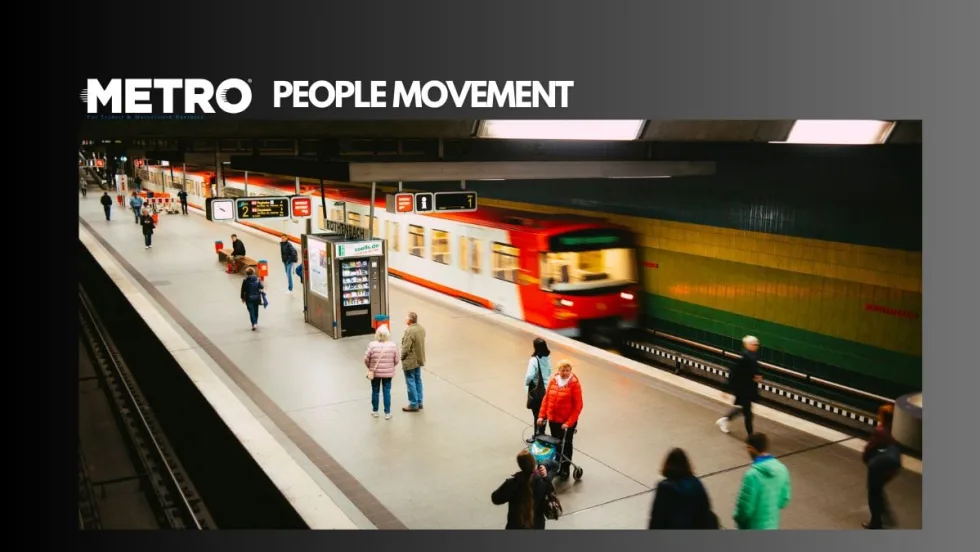
People Movement: Connectpoint Expands Leadership Team, Stadler Names New Group CEO, and More
In this edition, we also spotlight recent personnel moves at Burns, UZURV, and more, highlighting the people taking on new roles across the transportation industry.
Read More →
More Than a Summer Job: Building the Next Generation of Transit Talent
The Delaware River Port Authority and PATCO have transformed their internship program into a hands-on professional development experience that introduces students to the breadth of transportation careers — and creates a pipeline for future employees.
Read More →
LA Metro Board Awards 220 Battery-Electric Bus Contract to ENC
The contract, which is the largest base award of battery-electric buses by a U.S. transit agency, will be built in Southern California, sustaining good jobs as LA prepares to welcome the world in 2028
Read More →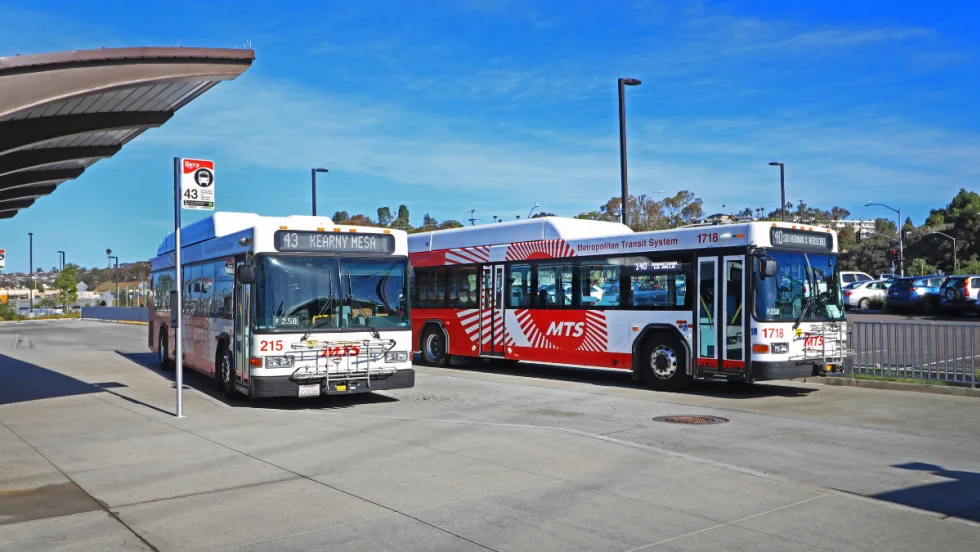
What’s Behind San Diego MTS’s Award-Winning Transit Strategy
Named one of APTA’s 2026 Outstanding Public Transportation Systems with 50 million or more annual passenger trips, California’s San Diego Metropolitan Transit System points to gains in ridership, safety, technology, and reliability as foundations of its success.
Read More →
Public Transit Conference Returning to GFX in 2027, Call for Papers Now Open
The Call for Papers is now open, allowing transit agency professionals and industry experts to help shape the PTC educational program by submitting session ideas for consideration.
Read More →
Indian River Transit’s Community-Focused Approach Earns National Recognition
Named APTA’s 2026 Outstanding Public Transportation System in its size category, Florida’s Indian River County transit system continues to grow ridership through fare-free service and a focus on evolving community needs.
Read More →
ENC Lands MATA Contract and More in Biz Briefs
In this edition of Biz Briefs, we spotlight the latest developments shaping the future of mobility.
Read More →From Surviving to Thriving: Building Stronger Transportation Organizations
Bus Business Consultants founder Brian Dickson shares lessons on leadership, organizational health, and creating options for long-term success in a changing transportation industry.
Read More →