



Academy Bus’ Tedesco is Industry Spokesperson
METRO’s Operator of the Year maintains an impeccable safety record while addressing industry issues on behalf of the American Bus Association.
Dating back to the 1930s, Academy Bus Tours Inc. has a history of providing service as one of the largest privately owned transportation companies in the United States. Operating more than 600 motorcoaches and representing the industry at all levels of government helped Academy, located in Hoboken, N.J., earn METRO’s 2001 Operator of the Year Award. “I want to thank everyone, especially the people who work for us,” says President Francis Tedesco who, with his brother Mark, runs the family business started by their father. Officially established in 1968, Academy now has seven operating locations in New Jersey and employs more than 1,200 people. Its services include sightseeing, conventions and private charters. Each year, the company operates more than 45,000 trips to Atlantic City alone. Academy also has a good working relationship with New Jersey Transit, says NJT Executive Director Jeffrey Warsh. An agreement between the two operators was made so that NJT will cut down or abandon service to allow Academy to run so NJT doesn’t run abundant service in competition with private buses. Humble to a fault, Tedesco kept quite on how he runs his business and what has made it so successful. What he often does is speak on behalf of such associations as the American Bus Association (ABA) on topics like oversight of the office of motor carriers and changes to drivers’ hours of service. “We feel that a mutually cooperative relationship with those regulatory agencies charged with monitoring carrier performance is key in creating an atmosphere which supports the exchange of information and constructive dialogue,” said Tedesco when addressing the Ground Transportation Subcommittee of the U.S. House of Representatives on the issue of safety oversight. “Additionally, it promotes voluntary compliance by addressing issues unique to the motorcoach industry’s changing environment.” Transporting more than 600,000 passengers a month, Academy uses a comprehensive driver-training program and state of the art maintenance operation to ensure each drive is a safe one. “Academy has always been a champion of safety,” Tedesco said in the same testimony. “We believe that safety and true customer service are synonymous and have dedicated significant corporate resources to support that philosophy. By taking an industry leadership role … we bring safety issues into every component of our operation.” Academy maintains a driver database and provides to its drivers safety incentive programs and ongoing safety training and compliance. It also has self-inspection status with the U.S. Department of Transportation and one of the lowest out of service violation rates in the industry. Based on 1998 figures for equipment, the national average was 25% and Academy had 10% out of service violations. For drivers, that number was 7.7% nationally and .23% for Academy. “We take great pride in our accomplishments in the safety arena and will continue to keep our focus on passenger safety issues,” Tedesco says. “We go beyond what is required by regulation to achieve the best performance possible.” To maintain that level of safety, Academy has a strict driver hiring and training process. The majority of its eligible drivers are corporate safety winners and only one in 10 applicants make it into its driver pool. Once hired, drivers undergo an extensive behind the wheel training program that requires a minimum of 40 hours, regardless of previous experience. Having a spokesman who practices what he preaches has been good for getting the industry’s message to those needing to hear it, says ABA President Peter Pantuso. “He’s active in terms of general, political activities, which has led to a much better awareness of the industry,” Pantuso says. “He’s very committed to the good and growth of the industry.” A little bit of history Tedesco’s grandfather, Pasquale, purchased his first bus in 1930 and began operating bus service while his father, Frank, attended evening college and worked as a driver and mechanic during the day. Frank served as president of the Broadway Bus Association from 1951 to 1953, and realized he wanted to own and operate his own bus company. He put his life savings together to purchase the operating rights and three buses, as well as a small garage. Over the years, Academy merged with such operators as Asbury Park Transit and Staten Island Commuter Service to become one of the largest privately owned motorcoach operators in the country.
More Management

Bus Tech Talk: Keeping Transit Technicians Ahead of the Technology Curve
In this episode of Bus Tech Talk, Complete Coach Works’ Business Development Manager Mark Hollenbeck and METRO’s Executive Editor Alex Roman sit down with Obed Mejia, Senior Technical Trainer for Bus Maintenance, at LA Metro to discuss how rapidly evolving bus technology is changing the maintenance shop — and the skills technicians need to keep pace.
Read More →
Michael Schneider Joins Paslay Group to Expand Transportation Practice
The longtime transportation executive will help Paslay Group grow its advisory and program management work across transit, highway, and other infrastructure sectors.
Read More →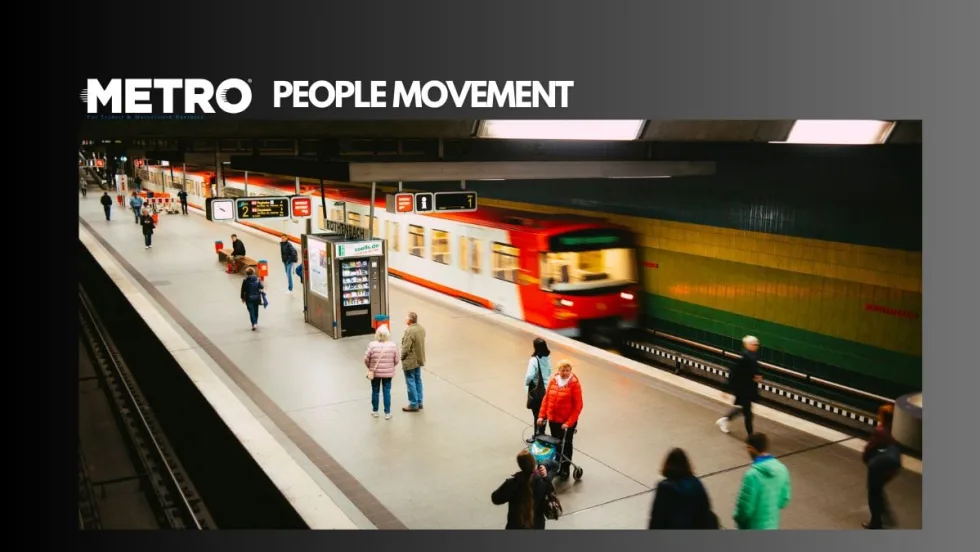
People Movement: Connectpoint Expands Leadership Team, Stadler Names New Group CEO, and More
In this edition, we also spotlight recent personnel moves at Burns, UZURV, and more, highlighting the people taking on new roles across the transportation industry.
Read More →
More Than a Summer Job: Building the Next Generation of Transit Talent
The Delaware River Port Authority and PATCO have transformed their internship program into a hands-on professional development experience that introduces students to the breadth of transportation careers — and creates a pipeline for future employees.
Read More →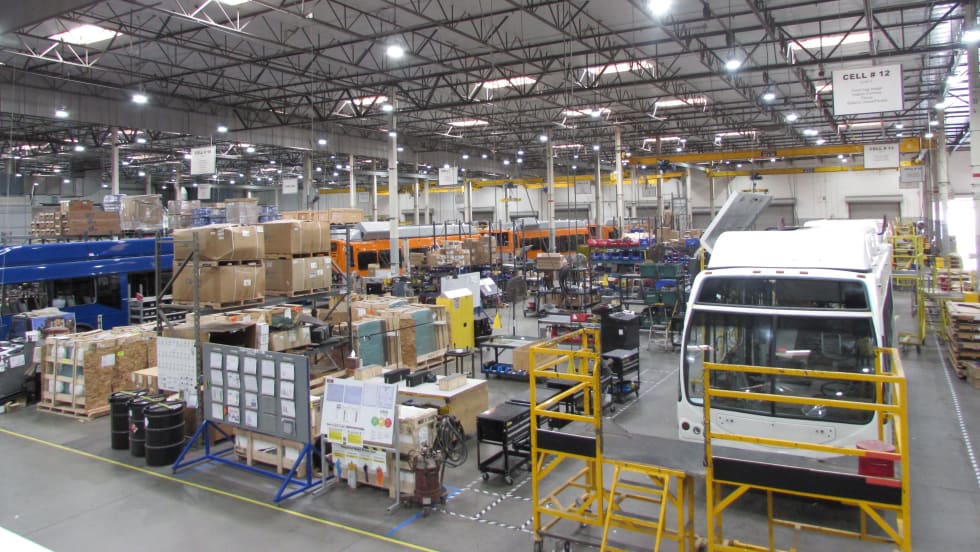
LA Metro Board Awards 220 Battery-Electric Bus Contract to ENC
The contract, which is the largest base award of battery-electric buses by a U.S. transit agency, will be built in Southern California, sustaining good jobs as LA prepares to welcome the world in 2028
Read More →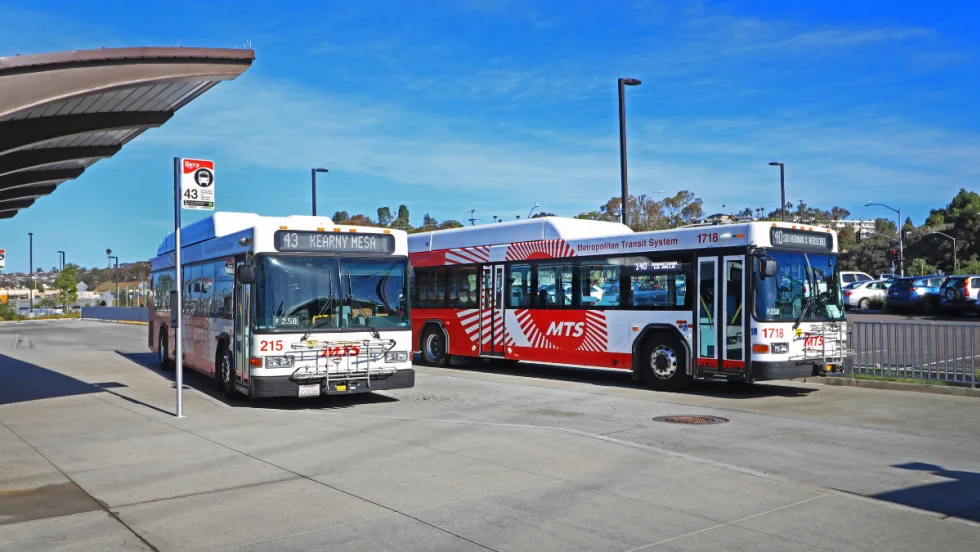
What’s Behind San Diego MTS’s Award-Winning Transit Strategy
Named one of APTA’s 2026 Outstanding Public Transportation Systems with 50 million or more annual passenger trips, California’s San Diego Metropolitan Transit System points to gains in ridership, safety, technology, and reliability as foundations of its success.
Read More →
Public Transit Conference Returning to GFX in 2027, Call for Papers Now Open
The Call for Papers is now open, allowing transit agency professionals and industry experts to help shape the PTC educational program by submitting session ideas for consideration.
Read More →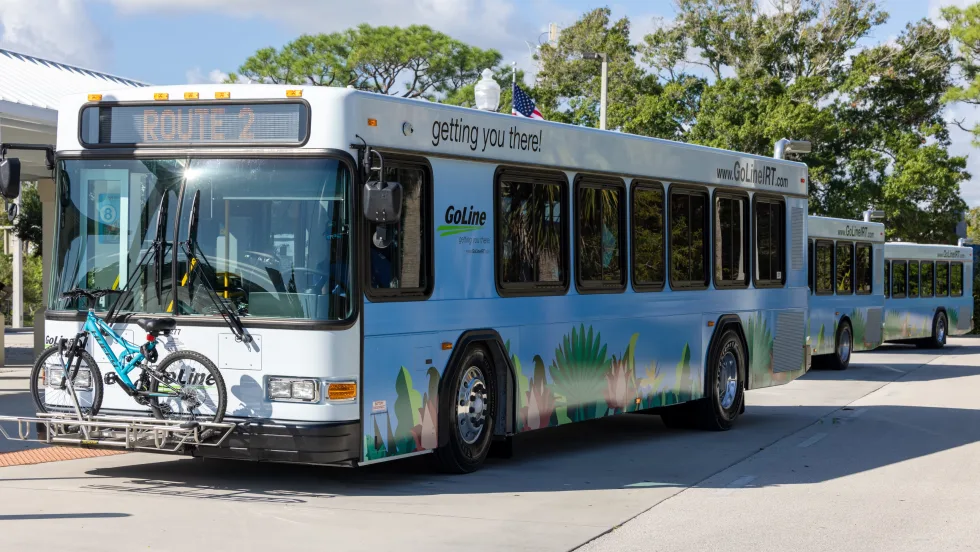
Indian River Transit’s Community-Focused Approach Earns National Recognition
Named APTA’s 2026 Outstanding Public Transportation System in its size category, Florida’s Indian River County transit system continues to grow ridership through fare-free service and a focus on evolving community needs.
Read More →
ENC Lands MATA Contract and More in Biz Briefs
In this edition of Biz Briefs, we spotlight the latest developments shaping the future of mobility.
Read More →From Surviving to Thriving: Building Stronger Transportation Organizations
Bus Business Consultants founder Brian Dickson shares lessons on leadership, organizational health, and creating options for long-term success in a changing transportation industry.
Read More →