



All Eyes on Transit Security
Recognizing employees and passengers as the "eyes and ears" of the transit system, the FTA has conceived the Transit Watch campaign to raise awareness and bolster safety in public transportation.

When it comes to transit security, there is no such thing as too much vigilance. Though public transportation may now be safer and more prepared for emergencies than ever before, it is by no means a time to be content and not attempt to raise the bar. With this in mind, the Federal Transit Administration (FTA) has created a nationwide safety and security awareness program, dubbed Transit Watch. The program is designed to be an easy and low-cost way for transit officials to encourage the active participation of passengers and employees in maintaining a safe environment. Modeled on the highly successful Neighborhood Watch crime prevention program, which the National Sheriff’s Association implemented in the early 1970s, Transit Watch seeks to foster the role of transit as a safe haven in communities across the country. A collaborative effort To develop Transit Watch, the FTA teamed with several industry partners, including the American Public Transportation Association, the Community Transportation Association of America, the Amalgamated Transit Union and the Transportation Security Administration. Research for the project included a survey on various transit-related issues of 16 agencies, which represented large, medium and small transit systems in geographically and demographically diverse communities. The study found that 75% of transit agencies observed increased employee concern levels after Sept. 11. Additionally, only 50% of the agencies surveyed had some form of safety/security materials available. Further development for Transit Watch included a series of focus groups the FTA conducted with transit passengers and employees across the country. In every city, participants cited instances of local violence or suspicious behavior that had taken place in the context of transit use. The consensus among participants was that a vigilant partnership between riders and employees would be beneficial for all. Transit employees also reported that they would feel safer knowing that passengers would report suspicious activities to them. Launching the campaign Participants in the focus groups also provided input on a final creative design for Transit Watch. The result is a series of brochures and posters that display slogans such as, “Follow your instinct: if something does not look right, let us know,” and “When it comes to our safety, we can always use an extra pair of eyes.” The FTA and its partners devised a Transit Watch toolkit that contains everything transit authorities need to implement the program in their area. Artwork and document templates are included on a CD in the toolkit so each agency can easily customize its own materials. Before launching a local Transit Watch campaign, officials are encouraged to distribute information to select media outlets. The toolkit includes sample press releases that make the process as easy as copying and pasting in the agency’s name. The FTA also recommends giving Transit Watch presentations during staff, department and board meetings to generate involvement and ensure that everyone understands and supports the campaign. Furthermore, it is critical that all agency employees know what to do if passengers bring security concerns to their attention. When all of the pieces are in place for a local Transit Watch program, officials should organize a launch event/press conference in a centrally located transit hub that is easily accessible to the media and other guests. The mayor, city council members, chief of police and head of a local transit union are good choices for special invitees. It is recommended that the event consist of a brief agenda and take place on a slow news day, such as a Monday, to secure maximum media coverage. After the official launch, the transit agency should continue to contact local media outlets with updates and news items on the program to continually keep Transit Watch in the public eye. Multitasking The FTA designed Transit Watch to correspond with its “Top 20 Security Program Action Items for Transit Agencies,” which the administration released in January. The list contains measures recommended by the FTA as a means for local transit authorities to improve security and emergency preparedness. Of the 20 objectives on the list, participation in Transit Watch directly accomplishes two, which fall under the “Training” category: No. 12 — Security orientation or awareness materials are provided to all front-line employees. No. 14 — Public awareness materials are developed and distributed on a system-wide basis. To obtain a Transit Watch toolkit or additional information, contact Tina Burke in the FTA’s Office of Communications and Congressional Affairs at (202) 493-0937, tina.burke@fta.dot.gov, or Gail Taylor in the FTA’s Office of Safety and Security at (202) 366-1218, gail.taylor@fta.dot.gov.
More Management

LA Metro Board Awards 220 Battery-Electric Bus Contract to ENC
The contract, which is the largest base award of battery-electric buses by a U.S. transit agency, will be built in Southern California, sustaining good jobs as LA prepares to welcome the world in 2028
Read More →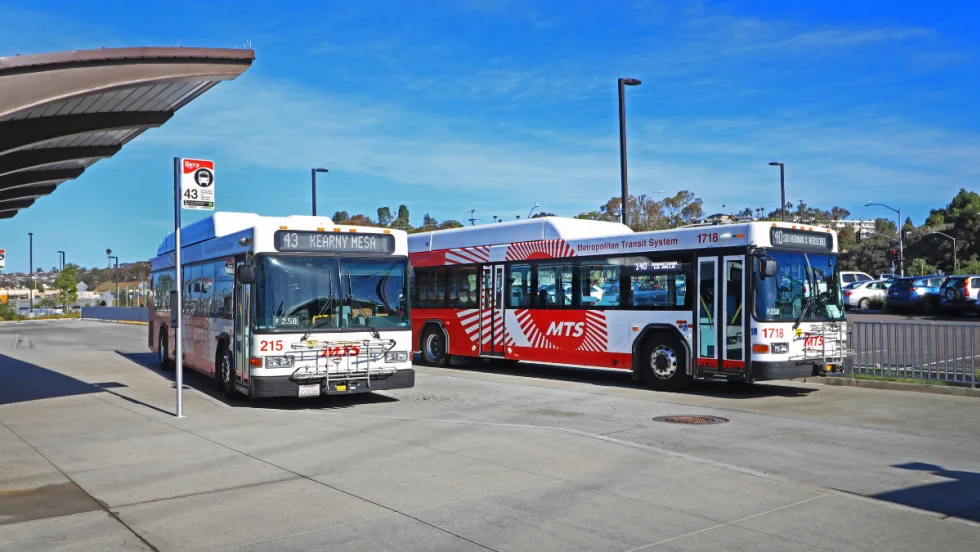
What’s Behind San Diego MTS’s Award-Winning Transit Strategy
Named one of APTA’s 2026 Outstanding Public Transportation Systems with 50 million or more annual passenger trips, California’s San Diego Metropolitan Transit System points to gains in ridership, safety, technology, and reliability as foundations of its success.
Read More →
Public Transit Conference Returning to GFX in 2027, Call for Papers Now Open
The Call for Papers is now open, allowing transit agency professionals and industry experts to help shape the PTC educational program by submitting session ideas for consideration.
Read More →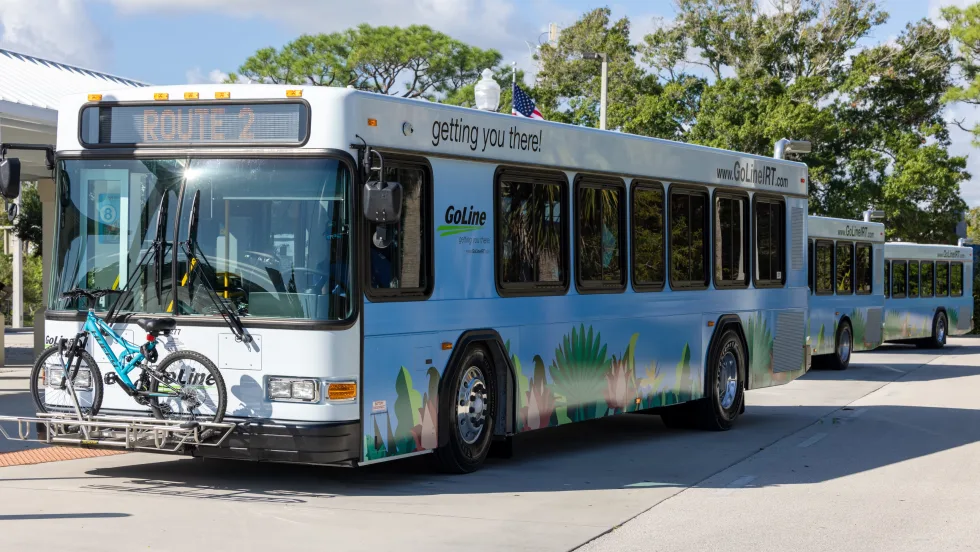
Indian River Transit’s Community-Focused Approach Earns National Recognition
Named APTA’s 2026 Outstanding Public Transportation System in its size category, Florida’s Indian River County transit system continues to grow ridership through fare-free service and a focus on evolving community needs.
Read More →
ENC Lands MATA Contract and More in Biz Briefs
In this edition of Biz Briefs, we spotlight the latest developments shaping the future of mobility.
Read More →
From Surviving to Thriving: Building Stronger Transportation Organizations
Bus Business Consultants founder Brian Dickson shares lessons on leadership, organizational health, and creating options for long-term success in a changing transportation industry.
Read More →
Everett Transit, Community Transit Outline Consolidation Agreement
The proposed agreement calls for a 50% increase in bus service in Everett, a new microtransit zone, continued paratransit service, and the transfer of Everett Transit operations to Community Transit.
Read More →
Strada360’s Steve Lassey on Turning Transit Data Into Better Decisions
From breaking down data silos to preparing for AI, Strada360 CEO Steve Lassey discusses how transit agencies can use technology to improve operations, customer information, and long-term decision-making.
Read More →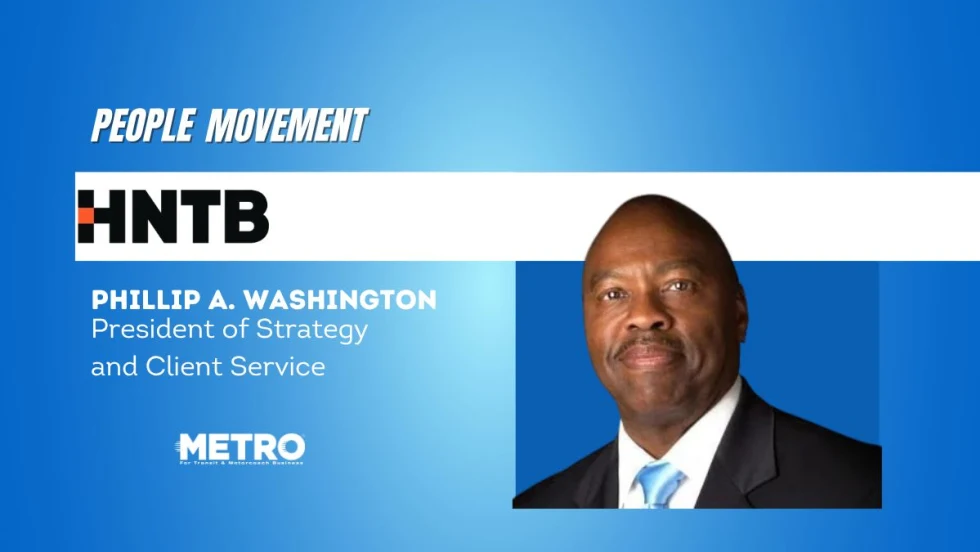
People Movement: Phil Washington Joins HNTB, Denver RTD Launches CEO Search, and More
In this edition, we also spotlight recent personnel moves at STV, the Eno Center for Transportation, and more, highlighting the people taking on new roles across the transportation industry.
Read More →
SEPTA Details Accelerate Vision for Transit System
The plan outlines investments in trolley modernization, new Metro and Regional Rail vehicles, accessible stations, and more frequent bus and rail service.
Read More →