



Breaking Free from Silos: How Microtransit Can Succeed When We Think Big
A look at a solution that can manage a transit system's entire on-demand network by introducing two new transformational concepts, commingling and trip-brokering.
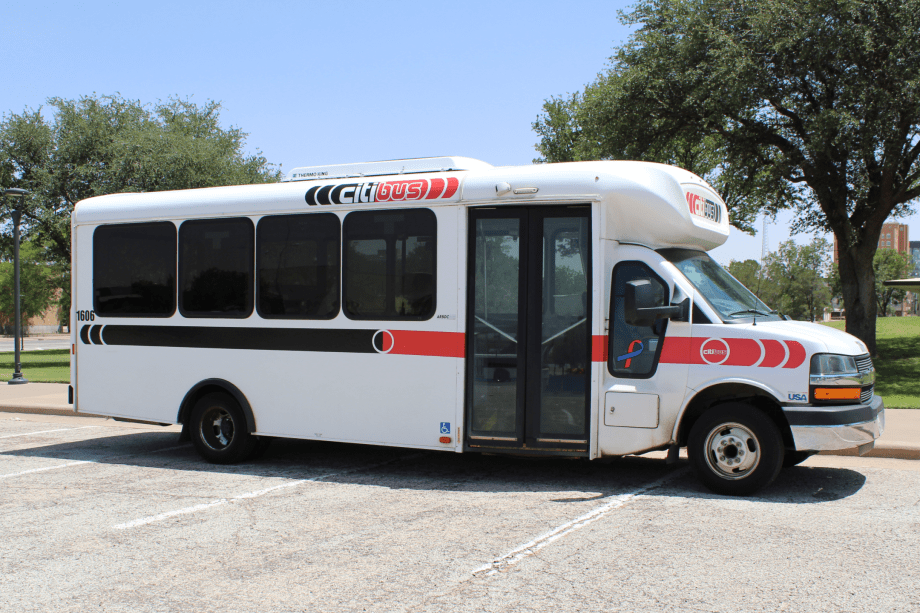
Beyond operational efficiency and social inclusion gains, Citibus was able to fill in the holes in their transit network caused by the COVID-19 pandemic and the subsequent need to cut fixed-route frequency with their commingled Citibus On-Demand microtransit and CitiAccess paratransit service.
Spare
In the past, more and more cities have piloted on-demand microtransit. Backers of this model believe that with the right technology and service configuration, it can solve first/last mile challenges, boost transit ridership, and eliminate transit deserts, while cutting transit agencies’ costs and providing an Uber-like user experience. Critics, however, label it as non-inclusive, costly, and ineffective, pointing to several failed projects that suffered from low ridership and poor unit economics.
Demand-responsive systems, such as Dial-A-Ride, paratransit, non-emergency medical transportation, and microtransit, can vastly improve a city’s transit landscape but often fall short due to siloed operating models that prevent agencies from realizing their full potential. Spare Platform, an automated software tool from Spare Labs Inc., is one solution that can manage a transit system's entire on-demand network and break down these siloes by introducing two new transformational concepts, commingling and trip-brokering.

All aboard: same, same but different
Demand-responsive services generally don’t mix, nor do they share resources like vehicles and drivers. This results in a lot of waste: almost-empty buses running parallel simply because their passengers have different needs. Commingling riders from different user categories, such as paratransit and microtransit, onto the same vehicle puts an end to that.
This means a minibus may pick up microtransit commuters at the light rail station while bringing a paratransit passenger to their doctor’s appointment. Because both services are powered by the same on-demand transit software platform, it can identify the fare structure for each person, handle the payment, and delineate a passengers’ service eligibility. All this is done automatically; the passenger and agency don’t have to do any heavy lifting.
Beyond operational efficiency and social inclusion gains, this approach allowed Citibus from Lubbock, Texas, to fill in the holes in their transit network caused by the COVID-19 pandemic and the subsequent need to cut fixed-route frequency with their commingled Citibus On-Demand microtransit and CitiAccess paratransit service.
"The community has embraced it. I think it's definitely something we can continue to provide, we just got to find a way to do it and find the right fit when we get on the backside of a lot of this pandemic," GM at Citibus.

Thinking outside the bus
One of the biggest challenges of on-demand is finding the right size vehicle for every ride. Dispatching an entire minibus to pick up just one passenger is a losing proposition. But agencies rely mainly on their own vehicles because dispatching a ride to a private third-party provider is just too laborious in a manual system.
By shifting to an automated system, agencies can easily broker trips to taxi companies or other non-dedicated resources. Just like with commingling, neither the agency nor the rider must do any extra work — the software decides if it’s more efficient to dispatch a taxi based on ride requests and availability within a certain time frame. These vehicles can still pool riders onto the same vehicle, further reducing operational costs.
Spare
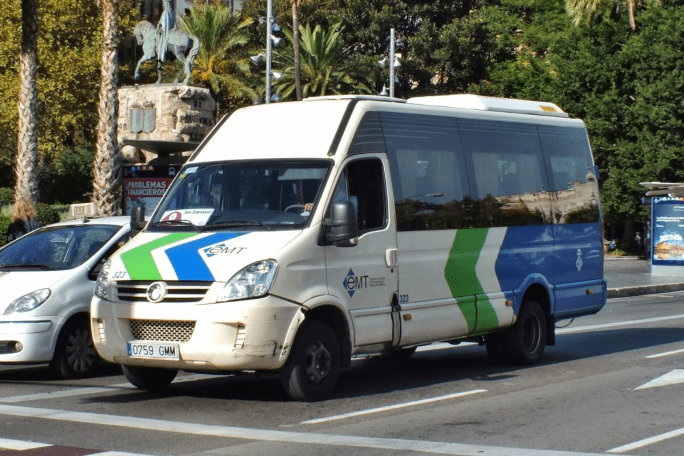
With trip brokering, agencies can maintain or increase service without having to invest new vehicles or drivers. That’s what happened in Palma de Mallorca during the height of Spain’s COVID-19 crisis. EMT cut service on its fixed-route lines while turning to Spare to help provide safe transit. By brokering out trips to local taxi companies, they were even able to extend their service perimeter.
“Combining buses and taxis was the hope we had when we reached out to Spare, and it works great. I am excited to finally see an on-demand service in Palma. This is what I had in mind for a long time,” said Manel Rivera Bennàssar, EMT’s technical project manager.
Taken together, trip brokering and commingling can help transit authorities to solve some of the transportation challenges cities face today. And while the private market is providing some of these services, bringing them under the purview of the public agency is a boon for riders seeking an accountable and seamless experience, as well as a plus for agencies looking to keep riders in the public transit fold.
Niklas Mey Marketing Manager and Sustainability Lead at Spare
More New Mobility

From Hardware to Digital Partner: Luminator Charts Its Next Chapter
CEO Magnus Friberg discusses Luminator’s shift toward becoming a digital partner, the growing importance of software and interoperability, and how AI can help agencies improve operations and passenger experience.
Read More →
Biz Briefs: Alstom Lands Canadian Contract, LYT to Supply California TSP, and More
In METRO's latest installment, we take a look at recent news from Complete Coach Works, Beep, FlixBus, and more partnerships making headlines across the transportation sector.
Read More →
CharterUP’s Armir Harris on Technology, AI, and the Future of Group Mobility
In a recent episode of METROspectives, CharterUP Founder/CEO Armir Harris discussed the company’s evolution from an online charter bus marketplace into a technology platform supporting public- and private-sector mobility and much more.
Read More →
Jacksonville’s NAVI Project Charts a New Course for Autonomous Public Transportation
Through its NAVI program, JTA is showing how autonomous vehicles, intelligent infrastructure, and coordinated operations can work together to deliver everyday public transportation.
Read More →
Biz Briefs: Luminator Marks Milestone and More
From manufacturers and suppliers to transit agencies and motorcoach operators, these updates offer a snapshot of the projects, partnerships and business moves driving the industry forward.
Read More →
New Tricks for Old Bureaucracies: Joshua Schank on Making Transit Innovation Stick
Former LA Metro Chief Innovation Officer Joshua Schank discusses why good ideas aren't enough, how transit agencies can overcome resistance to change, and why today's challenges demand more innovation.
Read More →
How DART's GoPass Is Redefining Regional Mobility
Serving 14 transit agencies, GoPass simplifies multimodal travel by allowing riders to plan, pay for, and manage an entire trip through one app.
Read More →
Biz Briefs: OCTA Taps Clean Energy for Hydrogen Station, Stadler to Supply Via Rail Vehicles, and More
From manufacturers and suppliers to transit agencies and motorcoach operators, these updates offer a snapshot of the projects, partnerships and business moves driving the industry forward.
Read More →CharterUP Expands Into New Mobility and Autonomous Transportation
Vice President of New Mobility Stephen Joos discusses how CharterUP is leveraging its nationwide transportation network, technology platform, and autonomous vehicle partnerships to expand into workforce mobility, campus shuttles, and transit solutions.
Read More →
METRO Magazine Announces 2026 Innovative Solutions Awards Winners
Projects Recognized for Advancing Mobility Through Technology, Accessibility, Workforce Innovation, and Operational Excellence
Read More →