



BRT and CompoBus the right combination for Phoenix
New RAPID routes get Phoenix drivers onto BRT.

RAPID is the name given to Phoenix Valley Metro’s bus rapid transit (BRT) routes, a new service with a wealth of interesting features.
The RAPID’s primary objective is to get automobile drivers to switch to BRT. At present, the city features just four RAPID routes, but each has a new park-and-ride lot, adjacent or close to Phoenix’s freeway corridors, which are the main starting points for the routes. The lots have shaded canopies, shaded passenger stations and chilled drinking water.
In addition, the park-and-ride lots have security officers and video surveillance systems. There are also electronic signs with real-time bus information. The lots vary in size and can accommodate 250 to more than 500 cars.
Another feature of the service is the special type of buses used exclusively on RAPID routes — new CompoBuses built by North American Bus Industries (NABI). The lightweight vehicle bodies are made from molded composite material, which allows for a 45-foot length and only two axles. A new green and silver metallic paint scheme is blended into the modern design of the bus. Specially treated windows reduce heat absorption, and air conditioning adds to passenger comfort on even the hottest Arizona days.
The 56 Phoenix CompoBuses are low floor and have high-back reclining seats, headrests and armrests. There are individual air conditioning vents, individual reading lights and overhead storage bins. The buses are accessible for passengers using wheelchairs with a ramp at the back door and two positions for wheelchairs. Liquified natural gas fuels the CompoBuses.
The buses operate on HOV lanes on freeways, allowing them to travel fast between the outlying park-and-ride lots and downtown Phoenix. Attractive shelters and information stations are located in downtown Phoenix, where passengers can board the buses for their evening return trips.
A 30% increase in ridership since the first two routes were opened in 2003 indicates that the public likes the new service and the new CompoBuses. Two more routes were started earlier this year. Further, the fact that persons living in outlying areas can park their cars in a protected environment and ride these new buses to central Phoenix is an important incentive.
The fare on the RAPID is $1.75 one way, and with free parking, the savings are substantial. Additionally, the city of Phoenix and several downtown businesses participate in the mandatory Maricopa County Trip Reduction Plan, which allows an employer to subsidize all or part of those fares.
Fittingly, the Phoenix area will have Proposition 400 on the ballot in November, which is a long-range plan for transportation. A “Yes” vote will mean more RAPID BRT services, as well as other transit improvements.
More Management
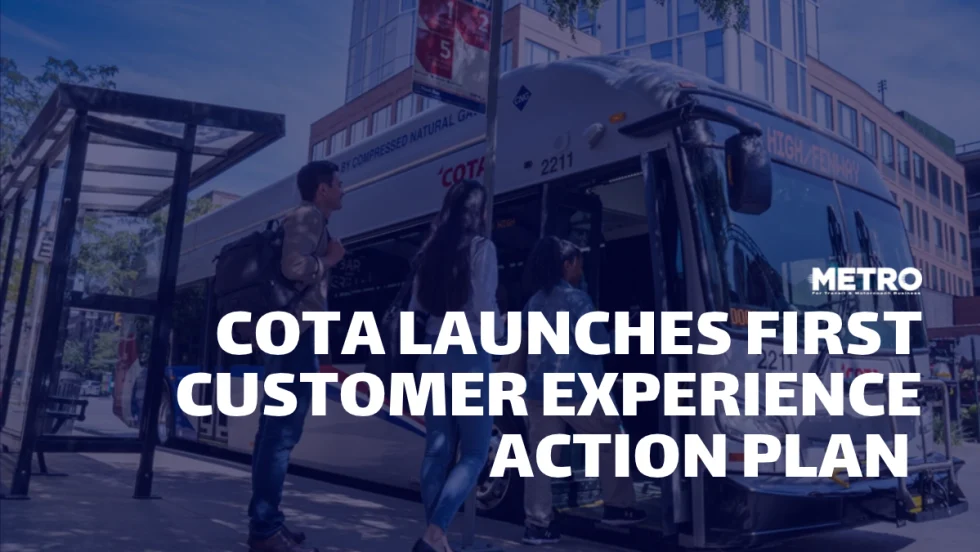
COTA Launches First Customer Experience Action Plan to Improve Transit Service
The new plan outlines improvements to service reliability, accessibility, communication, and the overall rider experience across Central Ohio's transit system.
Read More →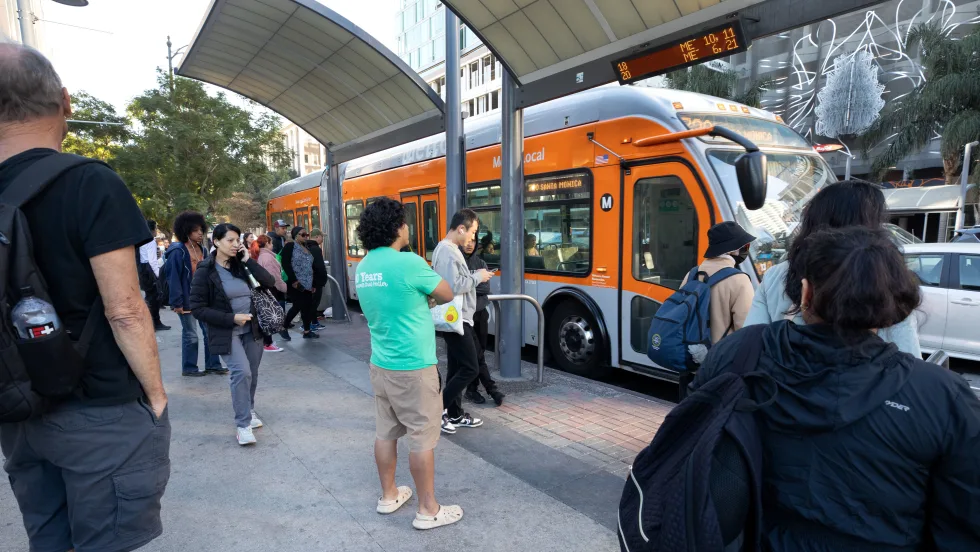
LA Metro September Ridership Climbs 3.9%, Led by Rail Growth
The agency recorded more than 27.2 million boardings, with rail ridership increasing 12.4% year over year and the D Line posting the largest gains.
Read More →
Utilimarc Launches SmartReplace to Optimize Fleet Replacement Decisions
AI-powered SmartReplace helps fleets prioritize vehicle replacements, model budget scenarios, and build more defensible long-term strategies.
Read More →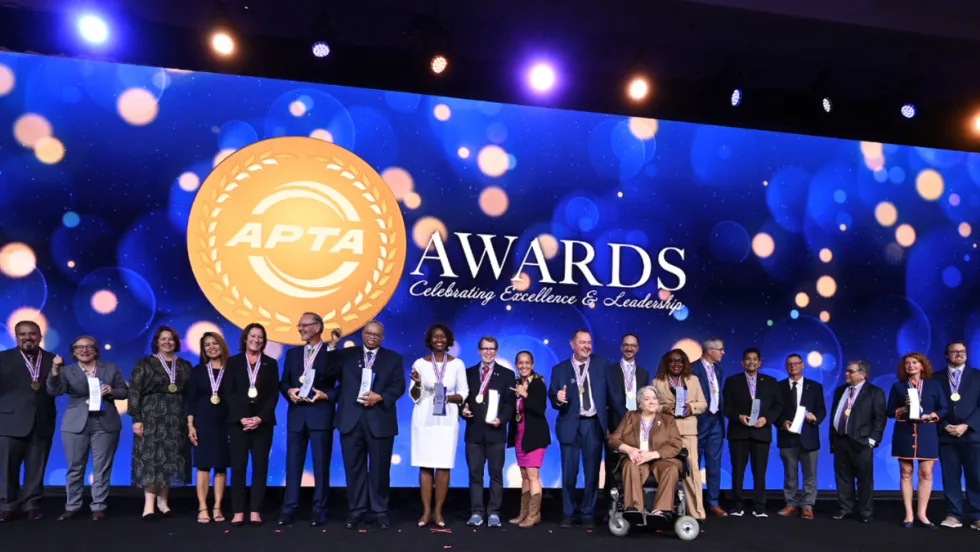
APTA Honors 2026 Award Winners, Hall of Fame Inductees at TRANSform & EXPO
Innovations in autonomous and zero-emission transportation, standout transit systems, and industry leadership took center stage among this year's honorees.
Read More →
7 Ways to Build a Better Transit Internship Program
Lessons from DRPA/PATCO’s approach to creating a meaningful internship experience—and developing the next generation of transportation professionals.
Read More →
Scenes from APTA TRANSform & EXPO 2026
Transit leaders, manufacturers, and industry professionals gathered in Chicago to explore new technologies, share ideas, and discuss the future of public transportation.
Read More →
Building Stronger Leaders, More Resilient Transit Teams
Dr. Carol Parker Walsh discusses leadership development, employee retention, workplace culture, and preparing transit’s workforce for AI and automation.
Read More →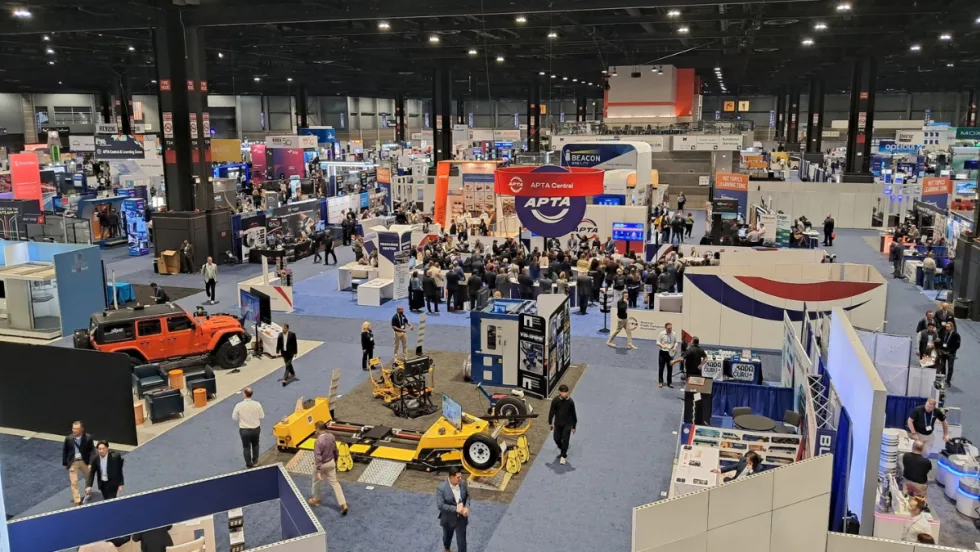
APTA 2026 TRANSform & EXPO Kicks Off in Chicago
After 45 years, APTA returns to Chicago with a focus on next-generation fleets, AI, connected transit networks, and the funding strategies shaping public transportation’s future.
Read More →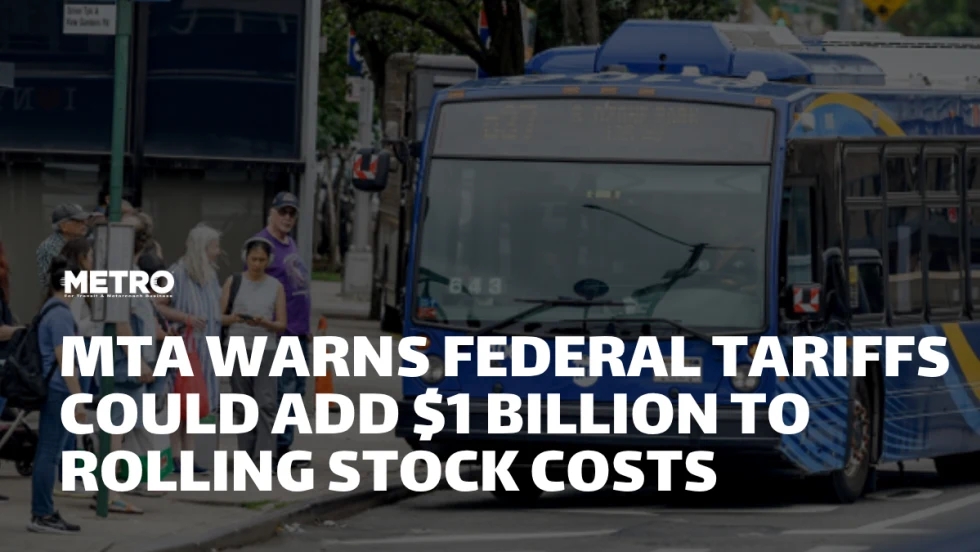
New York MTA Warns Federal Tariffs Could Add $1 Billion to Rolling Stock Costs
The agency said tariffs on specialized imported components could reduce the purchasing power of its $23 billion investment in new subway cars, railcars, and buses.
Read More →
From the Show Floor: What Happened at APTA TRANSform & EXPO 2026
See the latest product launches, partnerships, technology updates, and transit industry announcements from APTA TRANSform & EXPO in Chicago.
Read More →