



Capitalize on New Opportunities, Says Motorcoach Marketing Expert
Yes, the devastating Sept. 11 terrorist attacks have hurt the motorcoach business, but they’ve also created exciting new opportunities, says Dale Bunce, president of International Market Development.
Over the past several years, the motorcoach industry has been undergoing a subtle change. Many people saw this as the trough of a cyclical industry. Others, however, have correctly identified it as the beginnings of a major change in the industry at large. The roots of this change were born in 1982 during the deregulation of the motorcoach industry. Since then, we have seen a stagnation of the rate structure that is the industry’s lifeblood. This stagnation coupled with skyrocketing operating expenses has led to a thinning of the industry. ‘Boomers’ expect more At the same time, customers have been undergoing changes. Tour groups today are different than those of the 1970s and ’80s. As the baby boomers have become seniors, they have changed as customers. While they still tour (and in fact will tour more than earlier generations of seniors), they will look to different types of tours. They have higher expectations of entertainment and experience. As a group they have higher incomes and more education. They have also had more life travel experience and, as a result, will be more demanding. The result of the shifts in the tour market has been forcing more and more companies to compete for the business in a static charter market. As of 2000, more than 70% of the industry’s income comes from the charter market. With more companies focusing on this market, they have become significantly over-supplied and have seen a resultant drop in per-charter revenue. The motorcoach market itself is highly fragmented and offers very few barriers to entry. This constant inflow of small carriers reinforces price-increase resistance. As a result of these factors, the motorcoach operator seems to have one of two choices. He can either continue to do things the way they were done in the past and play in a low-margin charter business or change and create a new business. It isn’t all that simple, but the concept is accurate. If you can’t change the way you run your business, you will continue to face smaller markets with small margins. If you can change, you can attract new customers at higher margins. An opportunity for change Before Sept. 11, operators were hearing three things they needed to do to improve their business. First, they needed to create a sales mentality and move away from the order-taking mentality that is prevalent in the industry. Second, they needed to learn to use the tools that are available in the market to run a smarter business. Finally, the first two won’t change much if the operator doesn’t invest in training his management team to be able to handle the business. Most operators have a hard time leaving the office because they make too many decisions for their management team during the business day. They have to do this because the team often has not had the training they need to operate independently. Did the events of Sept. 11 change this? Yes, they did. They effectively speeded up the need for change by greatly reducing the traditional traveling public. At the same time, they gave the motorcoach industry the first piece of good news it has had in more than two decades. For the first time, it has the opportunity to solicit new business from customers who have not thought of the motorcoach as a viable form of transportation. As such, they have no preconceived notion of the value of the motorcoach (unlike the charter business, which has taught customers that they can continue shopping to get a better price). This potential new customer must travel for business, but will now listen to alternatives to flying. Good news travels fast Since late September a group of executives from the major manufacturers and service providers of the motorcoach industry have been working together to help operators make the necessary changes in their operations to pursue these new opportunities. These executives are financing a one-day seminar to be held in different areas of the United States and Canada that will share the ideas with operators of all sizes. This is an unprecedented effort by the suppliers of the industry not only to solve a short-term problem, but also to build a new foundation for the industry to move forward. The sponsors of this group of regional strategy sessions include ABC Bus Companies, Blue Bird Corp., Motor Coach Industries International, Prevost Car Inc., Setra of North America, Allison Transmission, Cummins Inc., Detroit Diesel Corp., Veryss/Dawson, International Market Development (IMD), Lancer Insurance, National Interstate Insurance, Bridgestone/Firestone and the Ontario Motor Coach Association. Why would a group of manufacturers and service providers who are enduring a significant revenue downturn take on this project? Because we are all in this together and feel that unprecedented action is required. The road show begins There were nine sessions held in November at such meetings as the California Bus Association annual meeting and the Northwest Motorcoach Association meeting and in such cities as Minneapolis, Indianapolis, Philadelphia and Boston. Each session had a workbook that highlighted five specific strategies to create new, higher margin customers. These new customers are for the most part medium-sized to large businesses that still travel and have unique problems as a result of the events of Sept. 11. In addition, there were sessions on creating a sales mentality in your business, training your management team and learning to use today’s business tools. The sessions were created in concert with IMD, which tested the strategies covered in the North American marketplace and shared the required steps to implement. Each of the five strategies were discussed in detail with an explanation of the concept, the product, the benefits and the pricing model. This is the first time this type of workshop has been held in the industry and the opportunity to change your business to take advantage of the changing surroundings has never been better. The workshops were presented by Dale Bunce, the president and founder of IMD, which has worked with operators, associations, manufacturers, suppliers and service suppliers to create and implement strategies. For more information regarding registering for a session near you, call IMD at (803) 642-5544.
More Management

Bus Tech Talk: Keeping Transit Technicians Ahead of the Technology Curve
In this episode of Bus Tech Talk, Complete Coach Works’ Business Development Manager Mark Hollenbeck and METRO’s Executive Editor Alex Roman sit down with Obed Mejia, Senior Technical Trainer for Bus Maintenance, at LA Metro to discuss how rapidly evolving bus technology is changing the maintenance shop — and the skills technicians need to keep pace.
Read More →
Michael Schneider Joins Paslay Group to Expand Transportation Practice
The longtime transportation executive will help Paslay Group grow its advisory and program management work across transit, highway, and other infrastructure sectors.
Read More →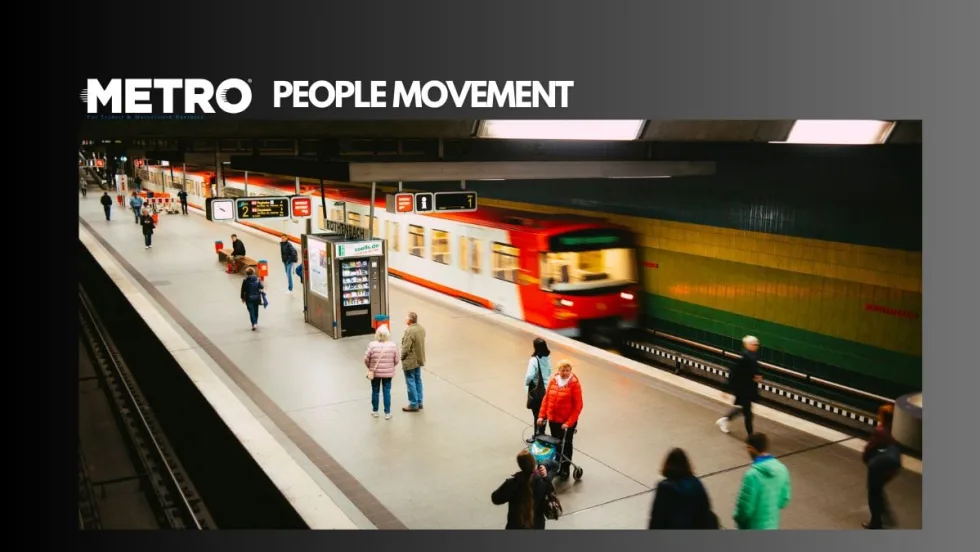
People Movement: Connectpoint Expands Leadership Team, Stadler Names New Group CEO, and More
In this edition, we also spotlight recent personnel moves at Burns, UZURV, and more, highlighting the people taking on new roles across the transportation industry.
Read More →
More Than a Summer Job: Building the Next Generation of Transit Talent
The Delaware River Port Authority and PATCO have transformed their internship program into a hands-on professional development experience that introduces students to the breadth of transportation careers — and creates a pipeline for future employees.
Read More →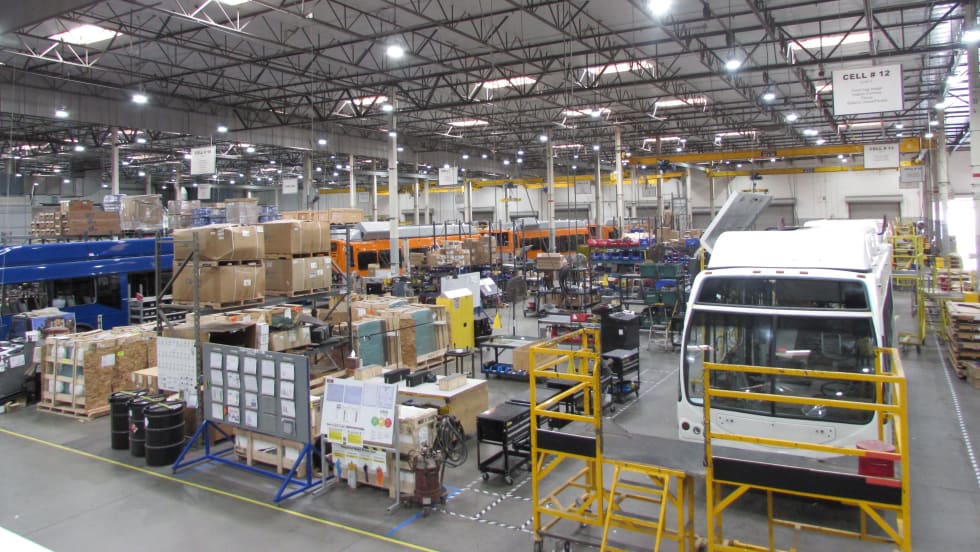
LA Metro Board Awards 220 Battery-Electric Bus Contract to ENC
The contract, which is the largest base award of battery-electric buses by a U.S. transit agency, will be built in Southern California, sustaining good jobs as LA prepares to welcome the world in 2028
Read More →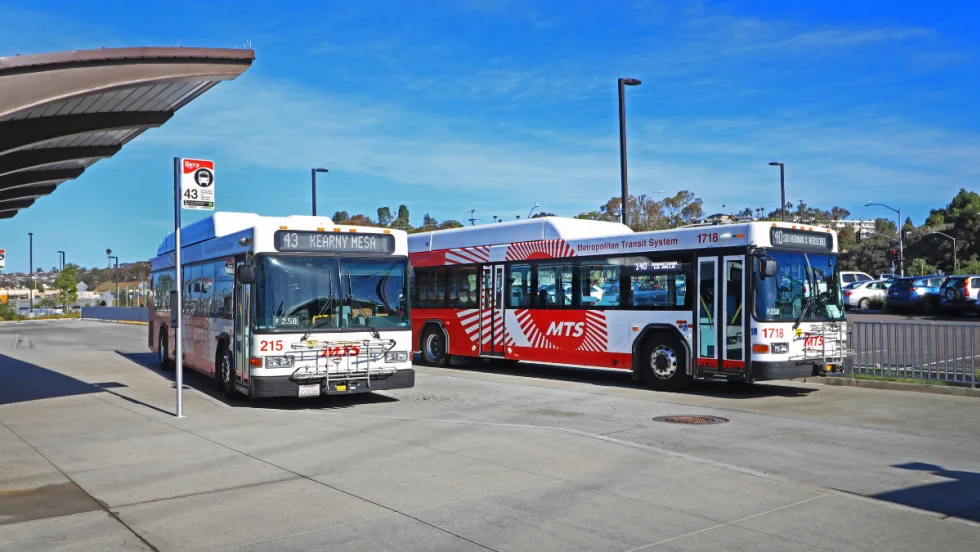
What’s Behind San Diego MTS’s Award-Winning Transit Strategy
Named one of APTA’s 2026 Outstanding Public Transportation Systems with 50 million or more annual passenger trips, California’s San Diego Metropolitan Transit System points to gains in ridership, safety, technology, and reliability as foundations of its success.
Read More →
Public Transit Conference Returning to GFX in 2027, Call for Papers Now Open
The Call for Papers is now open, allowing transit agency professionals and industry experts to help shape the PTC educational program by submitting session ideas for consideration.
Read More →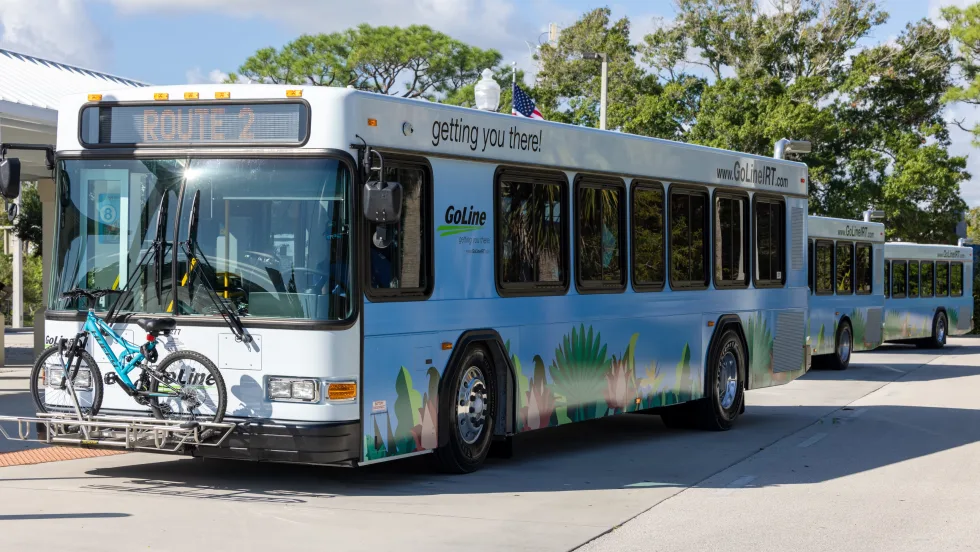
Indian River Transit’s Community-Focused Approach Earns National Recognition
Named APTA’s 2026 Outstanding Public Transportation System in its size category, Florida’s Indian River County transit system continues to grow ridership through fare-free service and a focus on evolving community needs.
Read More →
ENC Lands MATA Contract and More in Biz Briefs
In this edition of Biz Briefs, we spotlight the latest developments shaping the future of mobility.
Read More →From Surviving to Thriving: Building Stronger Transportation Organizations
Bus Business Consultants founder Brian Dickson shares lessons on leadership, organizational health, and creating options for long-term success in a changing transportation industry.
Read More →