



Closing the Gap Between Life and Death
The bond between paratransit drivers and their clients is often broken only by death. How the Regional Transportation Commission in Reno, Nev., and its paratransit service provider, ATC/Vancom, help drivers cope with the passing of their passengers – and their colleagues.
For many paratransit service providers, death is literally right around the corner. The elderly woman who’s shuttled to the hospital for dialysis treatment three times a week isn’t waiting at the door for her Monday morning trip. The driver later learns she died the previous evening. The middle-aged man with the respiratory illness isn’t waiting at the clinic for his return trip home because he suffered cardiac arrest during his treatment. Acknowledging this unavoidable closeness with death, the Regional Transportation Commission (RTC) in Reno, Nev., and ATC/Vancom (contract operator of CitiLift, the RTC’s paratransit service) have offered grief counseling to the ATC staff twice in the past two years, once to help deal with the death of a customer and once for the unexpected passing of a driver earlier this year. CitiLift offers ADA paratransit service to 3,700 eligible people with disabilities. Of those, about three-quarters are 60 or older. CitiLift provides about 830 rides on an average weekday, using 57 drivers. The entire staff totals 74 employees. METRO Editor Steve Hirano spoke with Lea Rogers, RTC’s paratransit administrator, and Dan Fox, ATC’s general manager of CitiLift, about the need for grief counseling programs for paratransit service providers. How did this grief counseling program come about?Dan Fox: I have drivers who routinely go through the newspaper obituaries to see if customers have passed away. The levels of loss from a driver’s perspective can vary greatly. When they do learn of a passing, however, they often come to my office or my operation manager’s office to tell me. They’re not weeping or hysterical, but you can tell that they care. According to our ridership data, an average of seven out of every thousand CitiLift riders die per month. That means that the likelihood of a client death at some time during their career is almost assured. Lea Rogers: Many drivers are really close to their clients. They develop long-term relationships and even friendships with them. So you thought it would be important to provide some counseling to help them deal with the sense of loss?Fox: Yes, one of my supervisors had a conversation with his wife about the passing of one of our passengers. She works in the health care industry and suggested grief counseling. It sounded like a good idea so we followed through on it. How long ago was that?Fox: About two years ago. We decided that grief counseling would be the topic for a safety meeting. We called Washoe Medical Center, which provides treatment for many of our dialysis and oncology clients, and got a referral to Jackie Leonard, a chaplain who worked for Truckee Meadows Police and Fire Chaplain Association. Her work included counseling service professionals whose duties brought them in contact with death and tragedy. Rogers: It’s important to ensure that you retain a trained grief counselor or the whole process can end up with unanticipated or undesirable results. How was the session handled?Fox: Jackie and three co-facilitators had everyone form a circle with their chairs. Then they all had to agree to confidentiality. That is, everything that was said during the meeting stayed in the meeting. Each attendee introduced him or herself and then spoke about their personal feelings about death. For two hours, drivers and managers, young and old, spoke openly about their perspectives of death. It was a very emotional experience. What were the results of this first session?Fox: Very positive. I think it was important that our drivers and managers had the opportunity to share their personal feelings about death and the sense of loss that comes with it. It brought them closer together and helped them understand their roles in their passengers’ lives. Did you ever consider offering this counseling on an annual basis?Fox: No, it’s not something I’d want to do every year. I don’t want it to become a “topic of the month” like proper use of wheelchair restraints. I’d like for it to stand out. Our drivers still remember the first grief counseling meeting we held two years ago. I’d like to offer it on an as-needed basis, such as when there’s a death of a driver or someone close to the operation. Which is something that happened fairly recently.Fox: Yes, in early January one of our drivers died suddenly. Lea and I had discussed offering the program again, so it was on the horizon. The particular circumstances forced my hand. Did you use the same counselors?Fox: No, this time we went through our Employee Assistance Program, which has experience in grief counseling. Was the format the same?Fox: Yes, it was designed as a forum for people to express their feelings about the driver’s death and their own personal feelings about death. How many staff members participated?Fox: There were about 50 people who attended the session. That was about 10 more than attended the first session. What was the outcome of this meeting?Fox: The impact was very powerful. The employees were grateful to have that opportunity. It’s helped them understand the grief process at work and in their personal lives. You mentioned that many of your drivers develop close relationships, even friendships, with their clients. Doesn’t part of your driver training address this issue?Fox: Yes, maintaining a professional detachment is discussed, but human nature comes into play. If you’re taking someone to dialysis three times a week, you learn a lot about that person. In fact, we try to keep the same driver with the same group of customers day in and day out. In that situation, a driver might notice a subtle change in his or her client and possibly alert someone if the change merits further attention. We’ve actually saved the lives of some clients that way. Rogers: Also, we operate door-to-door paratransit service, not curb-to-curb service. So our drivers get a closer glimpse into the personal lives of their passengers. Plus, we run the service every day, 365 days a year. So we see our customers in all seasons. It’s important that we acknowledge that the driver-client relationship is not just about death and sadness. It works in the other direction too. Our drivers are even more impacted when something good happens to their customers. Should this type of meeting be extended to the fixed-route service?Rogers: Transit drivers care as well, but the difference is that everyone who uses CitiLift is disabled. Fox: There’s a strong feeling among our staff of service and giving back to the community. They’re not doing this job for the money. That’s probably a common trait in paratransit throughout the industry.
More Management

Bus Tech Talk: Keeping Transit Technicians Ahead of the Technology Curve
In this episode of Bus Tech Talk, Complete Coach Works’ Business Development Manager Mark Hollenbeck and METRO’s Executive Editor Alex Roman sit down with Obed Mejia, Senior Technical Trainer for Bus Maintenance, at LA Metro to discuss how rapidly evolving bus technology is changing the maintenance shop — and the skills technicians need to keep pace.
Read More →
Michael Schneider Joins Paslay Group to Expand Transportation Practice
The longtime transportation executive will help Paslay Group grow its advisory and program management work across transit, highway, and other infrastructure sectors.
Read More →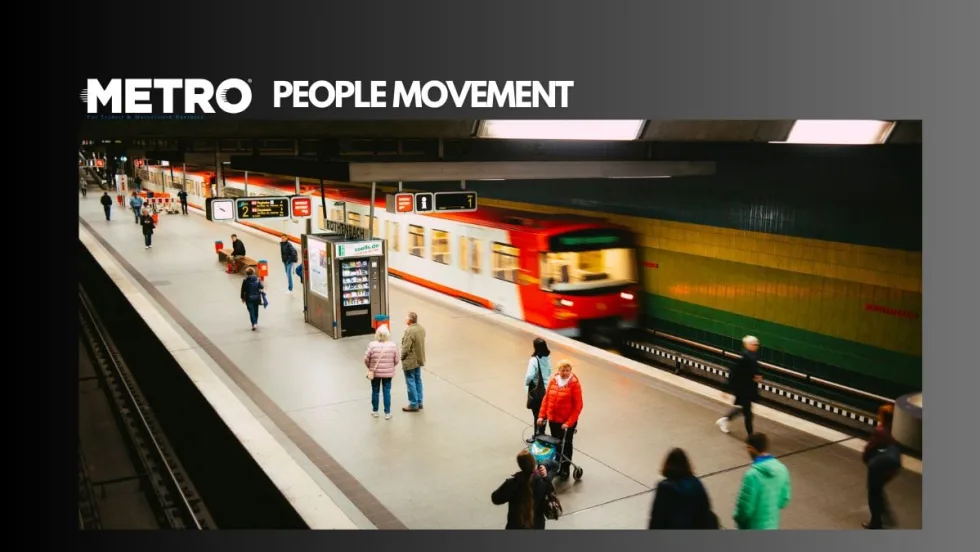
People Movement: Connectpoint Expands Leadership Team, Stadler Names New Group CEO, and More
In this edition, we also spotlight recent personnel moves at Burns, UZURV, and more, highlighting the people taking on new roles across the transportation industry.
Read More →
More Than a Summer Job: Building the Next Generation of Transit Talent
The Delaware River Port Authority and PATCO have transformed their internship program into a hands-on professional development experience that introduces students to the breadth of transportation careers — and creates a pipeline for future employees.
Read More →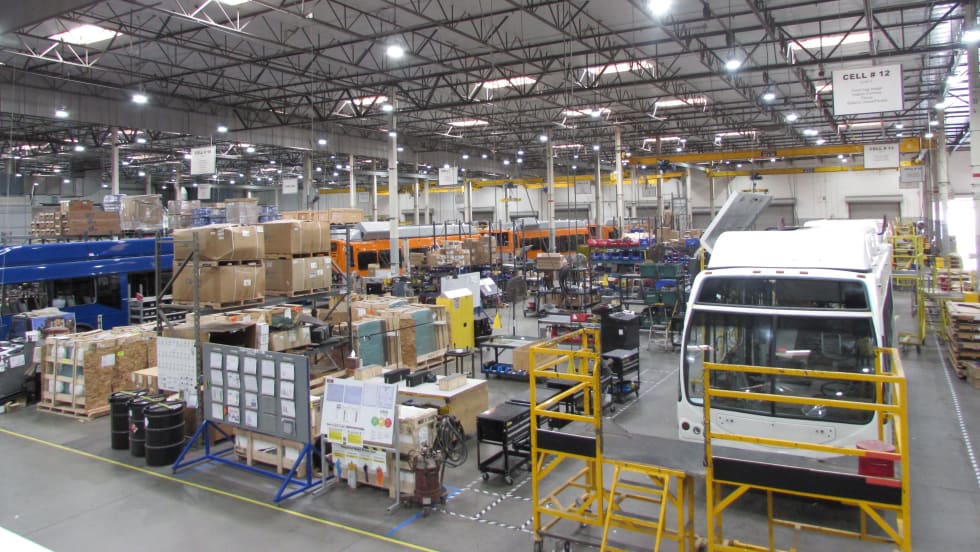
LA Metro Board Awards 220 Battery-Electric Bus Contract to ENC
The contract, which is the largest base award of battery-electric buses by a U.S. transit agency, will be built in Southern California, sustaining good jobs as LA prepares to welcome the world in 2028
Read More →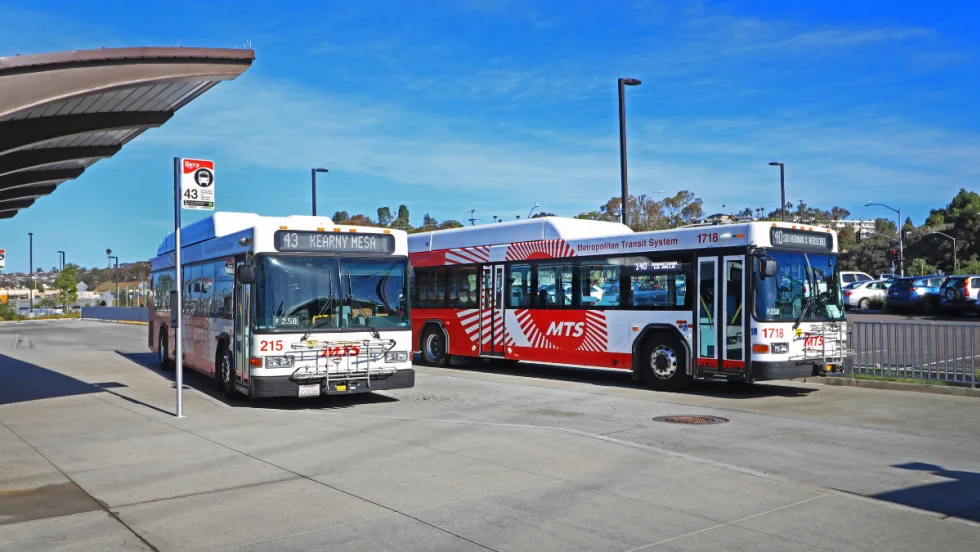
What’s Behind San Diego MTS’s Award-Winning Transit Strategy
Named one of APTA’s 2026 Outstanding Public Transportation Systems with 50 million or more annual passenger trips, California’s San Diego Metropolitan Transit System points to gains in ridership, safety, technology, and reliability as foundations of its success.
Read More →
Public Transit Conference Returning to GFX in 2027, Call for Papers Now Open
The Call for Papers is now open, allowing transit agency professionals and industry experts to help shape the PTC educational program by submitting session ideas for consideration.
Read More →
Indian River Transit’s Community-Focused Approach Earns National Recognition
Named APTA’s 2026 Outstanding Public Transportation System in its size category, Florida’s Indian River County transit system continues to grow ridership through fare-free service and a focus on evolving community needs.
Read More →
ENC Lands MATA Contract and More in Biz Briefs
In this edition of Biz Briefs, we spotlight the latest developments shaping the future of mobility.
Read More →From Surviving to Thriving: Building Stronger Transportation Organizations
Bus Business Consultants founder Brian Dickson shares lessons on leadership, organizational health, and creating options for long-term success in a changing transportation industry.
Read More →