



Curitiba visit underscores FTA’s commitment to BRT
More than 50 federal, state and local transit officials representing 10 U.S. cities, including many members of the Federal Transit Administration (FTA) Bus Rapid Transit (BRT) Consortium, traveled to Curitiba, Brazil, Dec. 10 to 13, 2000.
More than 50 federal, state and local transit officials representing 10 U.S. cities, including many members of the Federal Transit Administration (FTA) Bus Rapid Transit (BRT) Consortium, traveled to Curitiba, Brazil, Dec. 10 to 13, 2000. Like delegations before, they went to learn first hand about Curitiba’s integrated BRT approach. The group was the first such delegation to arrive since the implementation of a Memorandum of Intent (MOI) between the FTA and the state of Paraná, Brazil, signed in October 1999. The MOI was one part of a Latin American trade mission led by former Secretary of Transportation Rodney Slater and attended by former Acting FTA Administrator Nuria Fernandez, Jaime Lerner, governor of Paraná and Heinz Georg Herwig, secretary of transportation of the State of Paraná. The MOI provides a framework of cooperation between the FTA and the State of Paraná on transit-related issues. Effort began 35 years ago Sustainable growth and effective transportation planning are not new to Curitiba. More than 35 years ago, the city undertook the development of a “living master plan”—a holistic approach to managing sustainable growth. It includes the three core areas: urban planning, social and economic development and cultural and environmental presentation. Within the area of urban planning, the city integrates public transit, street networks and land use with transit-friendly zoning, commercial and residential integration and preservation of open space. The result: Curitiba is the most livable city in Brazil and perhaps in all of South America. A highly successful and integrated network of transportation systems—both transit and road networks—effectively transformed the city’s footprint from a dispersed radial pattern to a linear-based, higher density development scheme. More than 70% of the population uses the bus service. Land use, BRT discussed Discussions during the visit comprised two major themes: land use coordination and the urban transportation service itself. The land use discussion included important planning strategies such as zoning, promoting high-density development, preservation of open space, allocation of government space and commercial and residential integration. Discussions on urban transportation focused on BRT type systems and included topics such as integration with land-use patterns, exclusive bus corridors, advances to decrease dwell times, types of vehicles used and privatization. The program included a stop at the Volvo do Brasil, manufacturer of Curitiba’s bi-articulated vehicles. The FTA is sponsoring the BRT Initiative to encourage integration of those innovations as a way to address the problems of bus service. The goal of the program is four-fold: demonstrate BRT as an effective, lower-cost alternative to rail; improve bus services for existing riders; attract more riders to new service; and improve efficiency. Areas for innovations and improvements include intelligent transportation systems technologies, urban design enhancements, traffic engineering treatments, supportive land use policies and new service and marketing strategies. The ultimate goal of the initiative is that the BRT concept will be adopted widely by U.S. transit systems. One mechanism for BRT technology deployment is the FTA’s Joint Partnership Program. It allows those in the industry to partner with the FTA on a 50-50 cost share basis. For details visit the agency’s Website at www.fta.dot.gov/research/implem/implem.htm.
More Management

Bus Tech Talk: Keeping Transit Technicians Ahead of the Technology Curve
In this episode of Bus Tech Talk, Complete Coach Works’ Business Development Manager Mark Hollenbeck and METRO’s Executive Editor Alex Roman sit down with Obed Mejia, Senior Technical Trainer for Bus Maintenance, at LA Metro to discuss how rapidly evolving bus technology is changing the maintenance shop — and the skills technicians need to keep pace.
Read More →
Michael Schneider Joins Paslay Group to Expand Transportation Practice
The longtime transportation executive will help Paslay Group grow its advisory and program management work across transit, highway, and other infrastructure sectors.
Read More →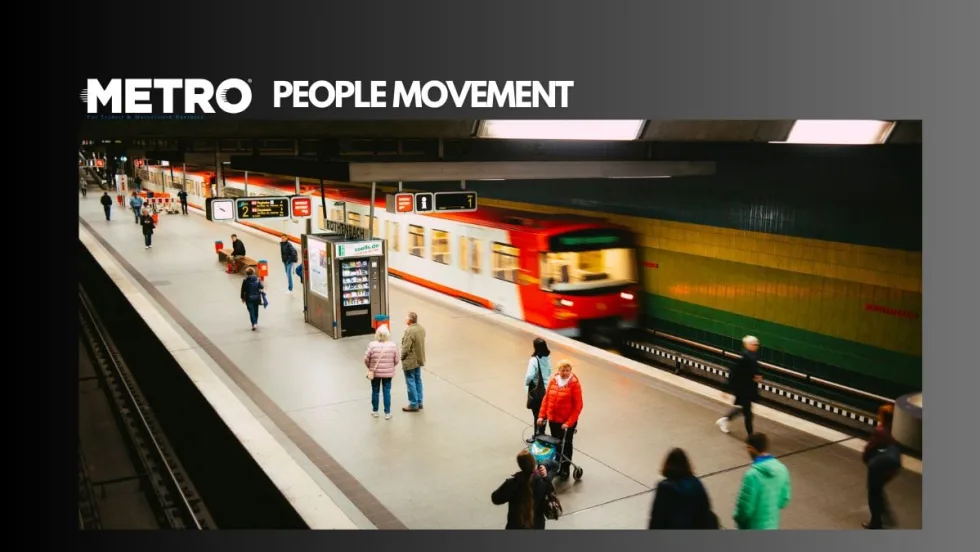
People Movement: Connectpoint Expands Leadership Team, Stadler Names New Group CEO, and More
In this edition, we also spotlight recent personnel moves at Burns, UZURV, and more, highlighting the people taking on new roles across the transportation industry.
Read More →
More Than a Summer Job: Building the Next Generation of Transit Talent
The Delaware River Port Authority and PATCO have transformed their internship program into a hands-on professional development experience that introduces students to the breadth of transportation careers — and creates a pipeline for future employees.
Read More →
LA Metro Board Awards 220 Battery-Electric Bus Contract to ENC
The contract, which is the largest base award of battery-electric buses by a U.S. transit agency, will be built in Southern California, sustaining good jobs as LA prepares to welcome the world in 2028
Read More →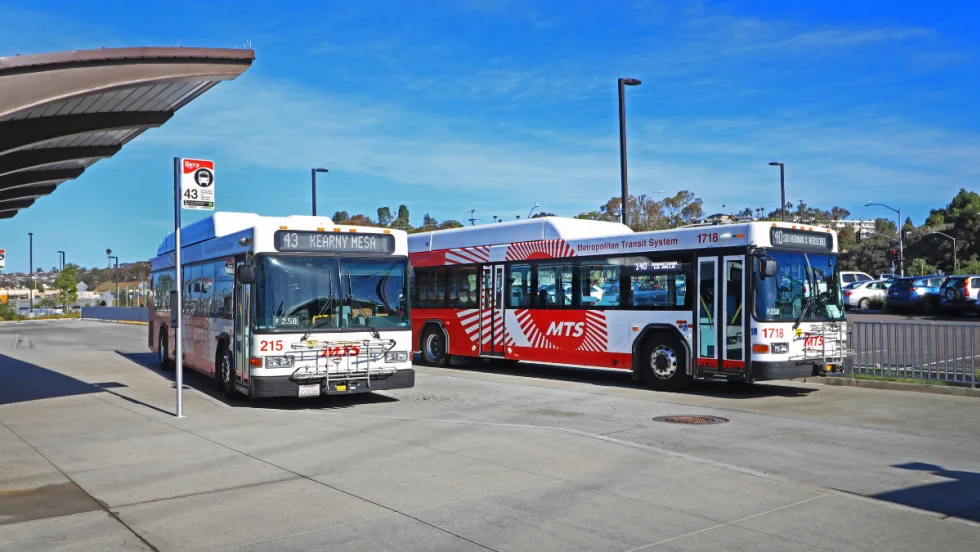
What’s Behind San Diego MTS’s Award-Winning Transit Strategy
Named one of APTA’s 2026 Outstanding Public Transportation Systems with 50 million or more annual passenger trips, California’s San Diego Metropolitan Transit System points to gains in ridership, safety, technology, and reliability as foundations of its success.
Read More →
Public Transit Conference Returning to GFX in 2027, Call for Papers Now Open
The Call for Papers is now open, allowing transit agency professionals and industry experts to help shape the PTC educational program by submitting session ideas for consideration.
Read More →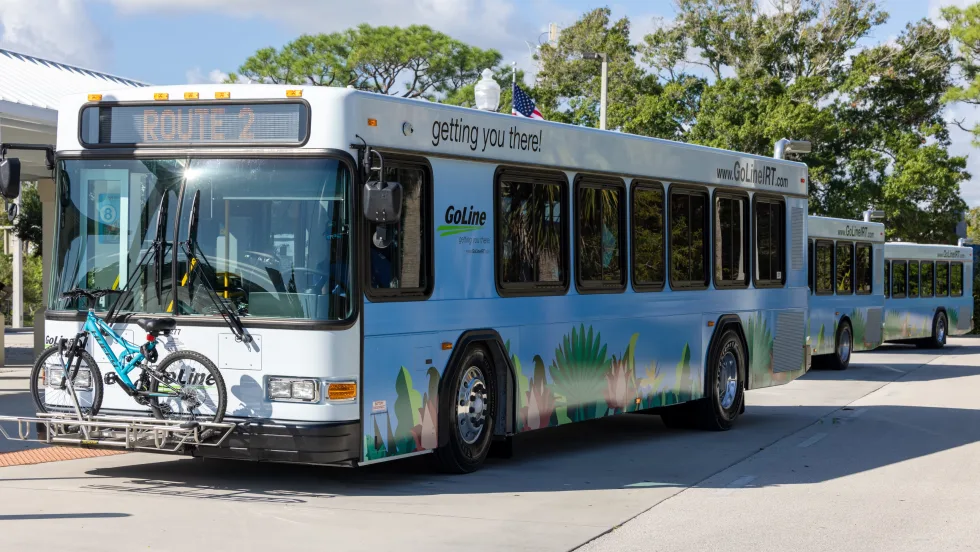
Indian River Transit’s Community-Focused Approach Earns National Recognition
Named APTA’s 2026 Outstanding Public Transportation System in its size category, Florida’s Indian River County transit system continues to grow ridership through fare-free service and a focus on evolving community needs.
Read More →
ENC Lands MATA Contract and More in Biz Briefs
In this edition of Biz Briefs, we spotlight the latest developments shaping the future of mobility.
Read More →From Surviving to Thriving: Building Stronger Transportation Organizations
Bus Business Consultants founder Brian Dickson shares lessons on leadership, organizational health, and creating options for long-term success in a changing transportation industry.
Read More →