



Economic, political climate spell chance for more public-private collaboration
The combination of what appears to be a strong outlook for public transit and the need for motorcoach operators to diversify should spell a unique opportunity for both segments of the public transport industry to work together.
The combination of what appears to be a strong outlook for public transit and the need for motorcoach operators to diversify should spell a unique opportunity for both segments of the public transport industry to work together. Yet, if the two fail to work together as some modest experiments have shown that they can, they might turn into bitter rivals, which will help neither side. Two very important documents contributing to that situation were issued within weeks of each other last winter. The first was a gloomy report sponsored by the United Motorcoach Association, one of two primary industry groups for that segment. It concluded that the recent downturn in traditional motorcoach travel markets would continue for the foreseeable future. Importantly, it suggested that operators diversify by trying to serve the growing commuter market. The second document was released shortly thereafter. It is the Bush Administration’s Fiscal Year 2002 budget proposal which, if adopted (and it looks very likely), will spell very good news for the public transit segment. It suggests that spending will rise in the year beginning Oct. 1, 2001, by nearly half a billion dollars, to $6.7 billion. That’s 7% above the current fiscal year’s already record levels. When you consider the fact that federal spending only accounts for about half of all such expenditures, that means public transit could be buying nearly $13 billion in capital goods and services next year. One of the challenges that the transit segment is facing is showing those record investments quickly “get on the street” in the form of upgraded service. Make no mistake: The public is demanding such service, in part because they are voting for politicians and referenda at all levels of government to achieve these spending levels. It’s also due to the fact that congestion, air quality and other lifestyle issues are appearing higher on voters’ radar screens than ever before. This is where both traditional transit and motorcoach companies can help each other. Motorcoach operators know a thing or two about high-quality, cost-effective service. They emphasize great customer service, safety and sound maintenance, or they don’t stay in business too long, because they are competing not only with many other coach operators but airlines, Amtrak and the private auto as well as their traditional markets. Transit, by the same token, needs to show quality service quickly and it can use motorcoach operators as weapons in its growing arsenal. That can come in the form of service contracts on express runs, just as many transit agencies currently outsource those routes. Or it could come in the form of granting franchises to operate along certain routes or in and out of certain transfer facilities. Although a tried-and-true method of privatization in other nations, it’s not used as much in the U.S., and some institutional and legal obstacles might have to be hurdled in order to take advantage of that strategy in America. Then there are other arrangements, such as brokering tour and charter services (often booking agencies will call transit systems even though it is not a traditional market) and joint marketing for airport-to-downtown service. The point is that there are enormous opportunities for the two communities to work together. This magazine has long argued for better working relationships between transit and the motorcoach segment. I deliberately use “segment” rather than “industry” to describe the two because they both should be considered part of the same industry—public transportation. This philosophy actually underpinned federal policy since the enactment of the Urban Mass Transportation Act nearly four decades ago. Lawmakers chose the term “mass transportation” in that bill to include private operators. It also underpinned another landmark piece of legislation—the one passed in 1991 that has the word “intermodal” in it. It’s time to make that word mean something.
More Management

RTD Launches NextRide App to Consolidate Trip Planning, Fares, Security Reporting
The app expands on RTD’s existing NextRide web application and allows customers to view real-time vehicle locations and service alerts, purchase and store digital fares, and access customer support.
Read More →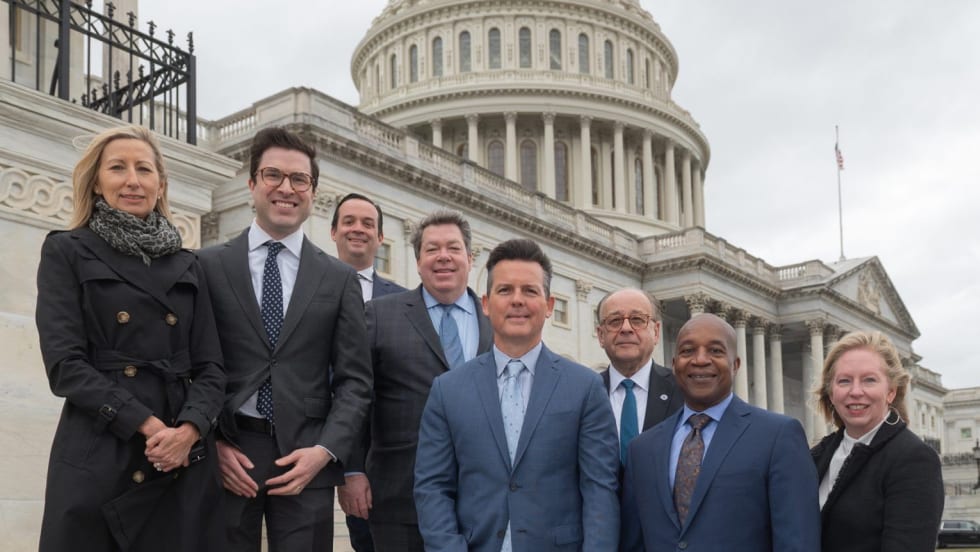
The Business Voice Behind Public Transportation
As chair of APTA’s Business Members Board of Governors, Ray Melleady explains how more than 850 business members are partnering with transit agencies to advance funding, innovation, and industry-wide collaboration.
Read More →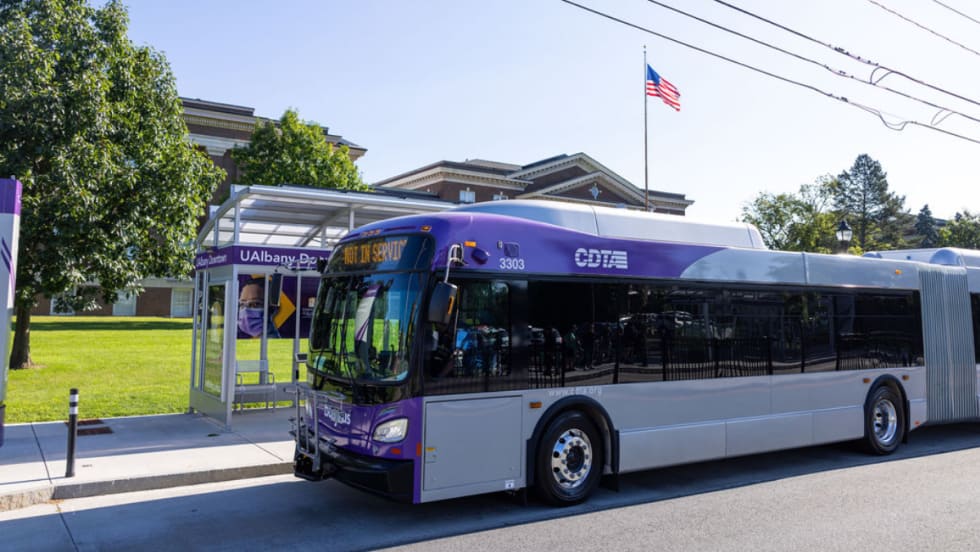
New York’s CDTA Service Rebalancing Boosts Productivity, On-Time Performance
Despite a slight dip in ridership, the agency’s FY2026 results show its service rebalancing strategy is helping the agency carry more riders per service hour while improving reliability.
Read More →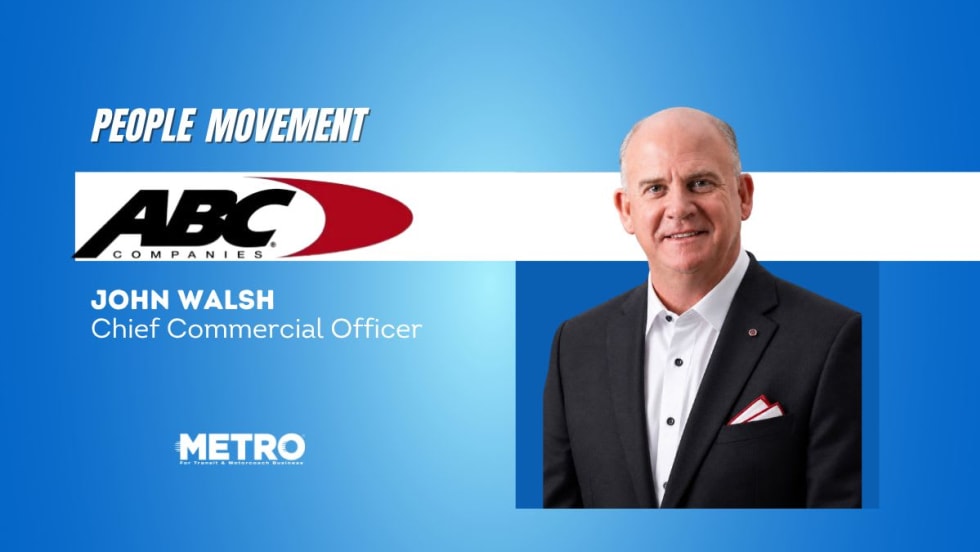
People Movement: ABC Names John Walsh as Chief Commercial Officer
In this edition, METRO also covers recent appointments and announcements at the DART, STV, and more, showcasing the individuals helping to shape the future of transportation.
Read More →
From Surviving to Thriving: Building Stronger Transportation Organizations
Bus Business Consultants founder Brian Dickson shares lessons on leadership, organizational health, and creating options for long-term success in a changing transportation industry.
Read More →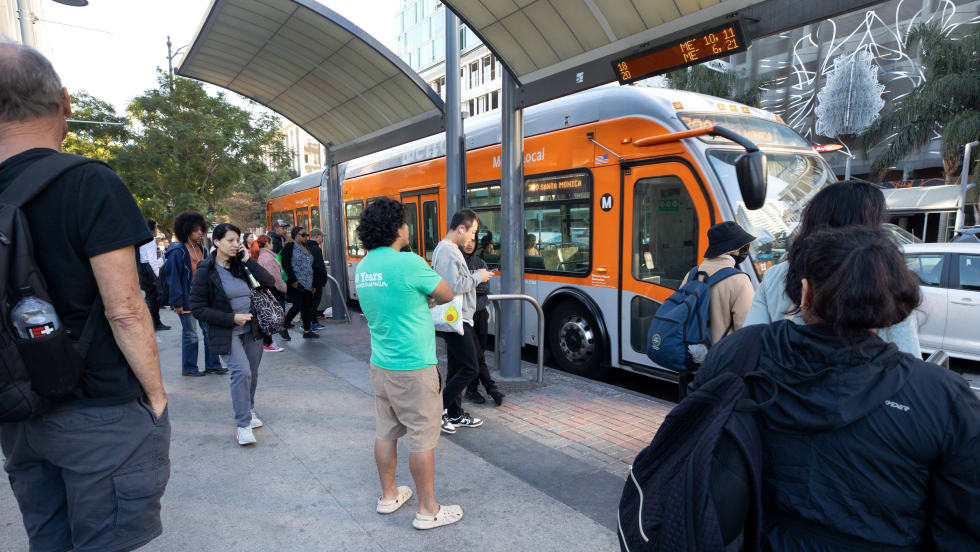
LA Metro Ridership Continues Growth as Rail Gains Accelerate
New rail connections and major events help drive continued ridership gains, with Metro recording its eighth consecutive month of year-over-year rail growth.
Read More →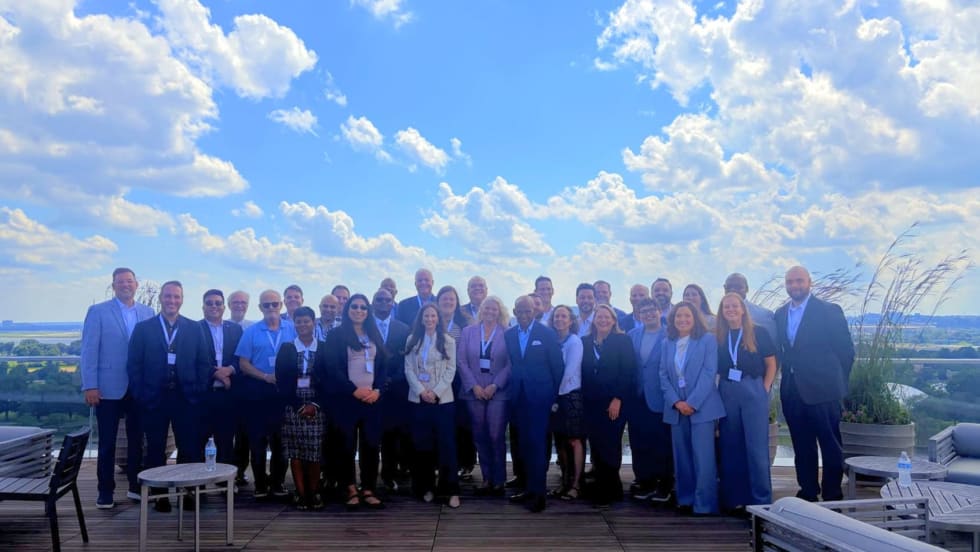
TransDASH Summit Focuses on Measuring What Matters in Transit
Transit agencies unveil a national performance platform designed to benchmark customer experience, safety, community value, and other outcomes.
Read More →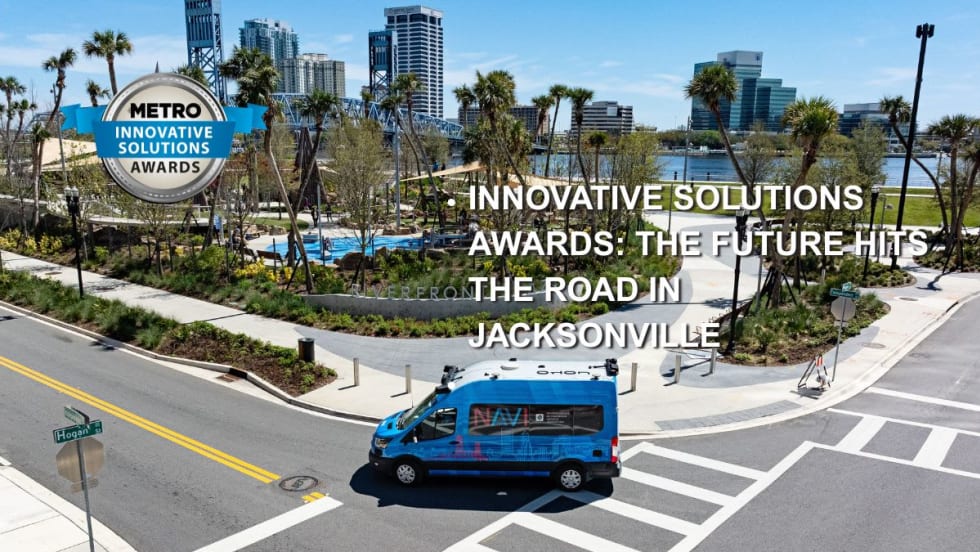
Jacksonville’s NAVI Project Charts a New Course for Autonomous Public Transportation
Through its NAVI program, JTA is showing how autonomous vehicles, intelligent infrastructure, and coordinated operations can work together to deliver everyday public transportation.
Read More →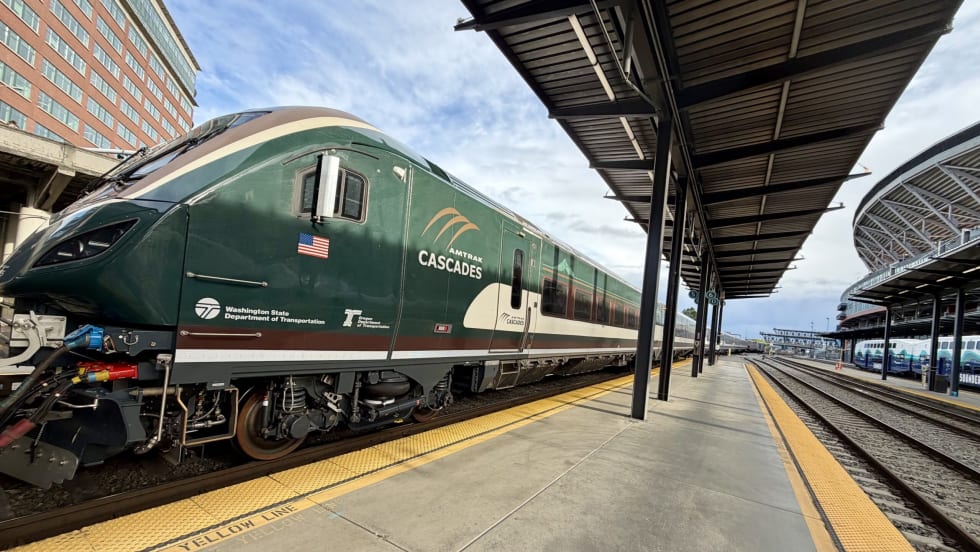
FRA Announces $5.3B in Rail Investments, Including $2B for Amtrak
Funding will support grade-crossing improvements, infrastructure upgrades, and new Amtrak equipment in 23 states.
Read More →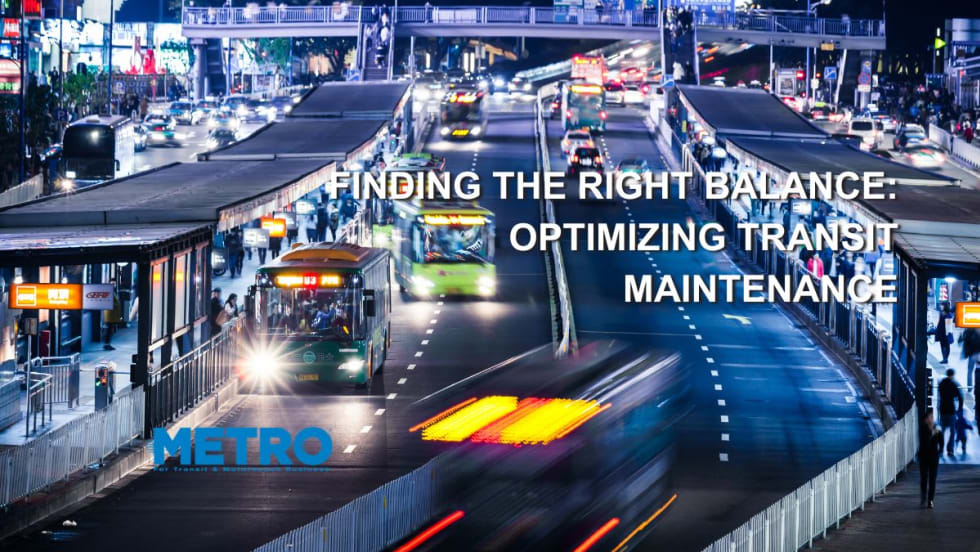
Finding the ‘Happy Medium’: Optimizing Maintenance Without Sacrificing Reliability
The key to maintenance optimization isn’t doing less work—it’s doing the right work at the right time on the right assets.
Read More →