



Finding true security means preparing for the worst
Bomb-sniffing dogs. Explosion-proof trash cans. Chemical-biological sensor systems. These are a few of the security enhancements implemented by transit properties in the wake of the Sept. 11 terror attacks.
Bomb-sniffing dogs. Explosion-proof trash cans. Chemical-biological sensor systems. These are a few of the security enhancements implemented by transit properties in the wake of the Sept. 11 terror attacks. As you might guess, the transit properties adding these safeguards are not located in the hinterlands. They’re in New York City and Washington, D.C., two cities that understand very well the dark possibilities of terrorist attacks. Safety isn’t enough anymore It’s unfortunate that transportation providers can no longer focus simply on passenger and employee safety. Security has become the operative word. The war on terrorism isn’t out there, it’s right here in our back yard. That means it’s on our buses and railcars and in our stations and terminals. Millions of passengers and employees, if not on the front lines, are certainly on the periphery, with the potential of becoming “collateral damage.” Managing Editor Leslie Davis’ in-depth coverage of the transit industry’s response to the Sept. 11 attacks, “Transit Steps Up Security” provides an excellent look at how transit agencies around the country are acknowledging the threat of terrorism. New York and Washington, D.C., have taken the lead in establishing a high-profile means of countering potential terrorist actions, but how should the rest of the country’s transit agencies and private bus operators be responding? With a certainty that one day they too will be in the crosshairs. Even though it’s unlikely that, say, Dubuque, Iowa, will ever become a terrorist target, the transit agency there needs to prepare and practice its emergency response plans with utter sincerity. Developing a strong working relationship and coordinated crisis-response program with local police and fire agencies is a given. Practicing the plan is the variable. It’s crucial that simulations, exercises and drills be held regularly. If you need a sports metaphor: football players don’t just study the playbook, do they? The Utah Transit Authority in Salt Lake City has learned a little about security, with the Winter Olympics coming up in February (For more on the UTA, see Assistant Editor Janna Starcic’s article, “Salt Lake City Goes for the Gold”). Two years’ worth of emergency-response preparation has been supplemented with even greater security planning in the wake of the terrorist attacks, including training of supervisors, managers, security and safety personnel in threat management, explosives incidents and response to chemical, biological and nuclear incidents. How’s that for preparation? Prevention is a worthy goal Whether it’s a terrorist attack using chemical weapons or a car bomb, transit agencies can prepare for such an eventuality. But how much energy should be devoted to prevent such an incident? Bomb-sniffing dogs and explosion-proof trash cans make sense only in cities on high alert for terrorism. In other cities and towns, the most effective preventive measure is a strong communication system among employees, law enforcement and members of the community. Immediate reporting of a suspicious package left in a bus station, for example, will go a long way in preventing casualties. Even if the package turns out to be an old pair of shoes, the public needs to be encouraged to report anything that looks unusual or out of place. Another effective method of preventing terrorism, and crime in general, is a high-visibility security force. As any police officer knows, visibility is the key to deterring crime. In the wake of the Sept. 11 attacks, some agencies are making a point of having police officers ride the buses regularly. This practice not only reduces the potential for crime, it also reassures passengers. In the end, the reassurance of bus and rail passengers and the rest of the traveling public is essential. These are uncertain times, but that doesn’t mean we need to be afraid.
More Management
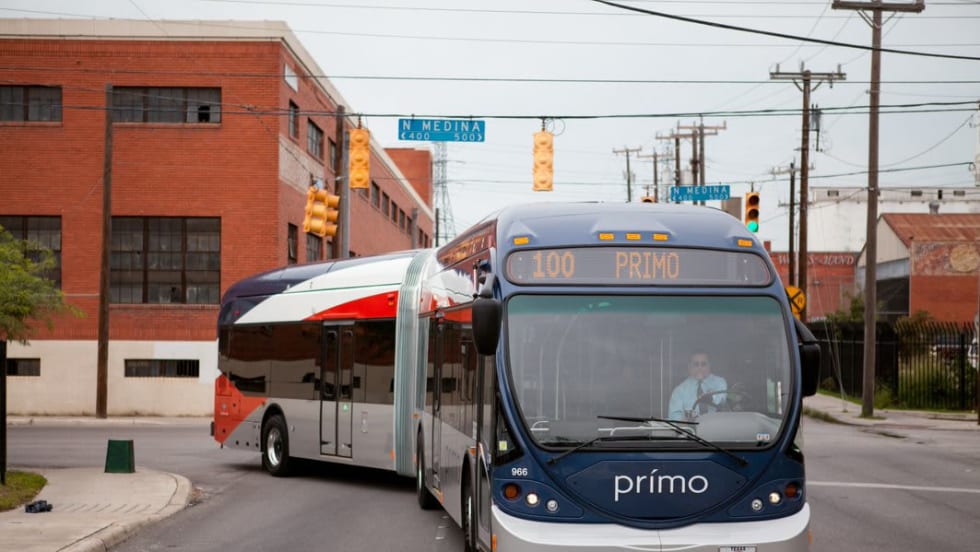
VIA's Silver Line Clears Environmental Review, Advances Toward Construction
The VIA Rapid Green Line is currently under construction, with service expected to begin in April 2028.
Read More →
Modernizing Mobility with CharterUP CEO Armir Harris
From digital transformation to evolving customer demands, CharterUP's Armir Harris offers his perspective on the transportation industry's next chapter.
Read More →
CTTC Enhances Transit Workforce Pipeline Through New Partnerships and Leadership
The group's latest initiatives focus on developing talent, expanding training opportunities and addressing workforce needs across the transit sector.
Read More →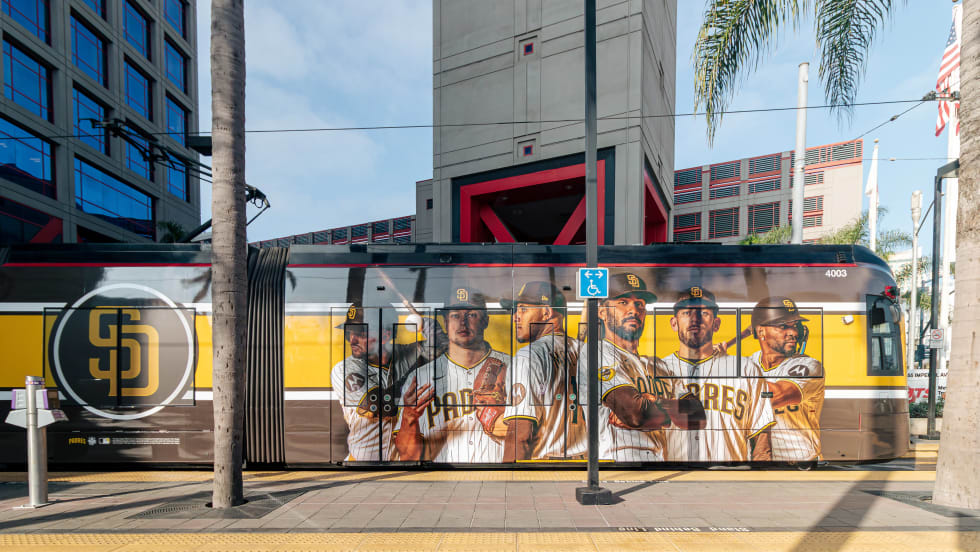
San Diego MTS Keeps Service Intact With New FY 2027 Budget
The approved spending plan avoids route cuts and lays the groundwork for addressing transit funding challenges through the end of the decade.
Read More →
Solving The Driver Shortage: What Transit Agencies Can Learn From the Trucking Industry
See how transit agencies facing persistent driver shortages can learn from the trucking industry’s evolving strategies for recruitment, retention, workplace conditions, and more.
Read More →
FIFA World Cup Matches Are Driving Record Transit Ridership Nationwide
See how World Cup matches are generating record transit demand across North America, with ridership surpassing Super Bowls, concerts, and Olympic-era events.
Read More →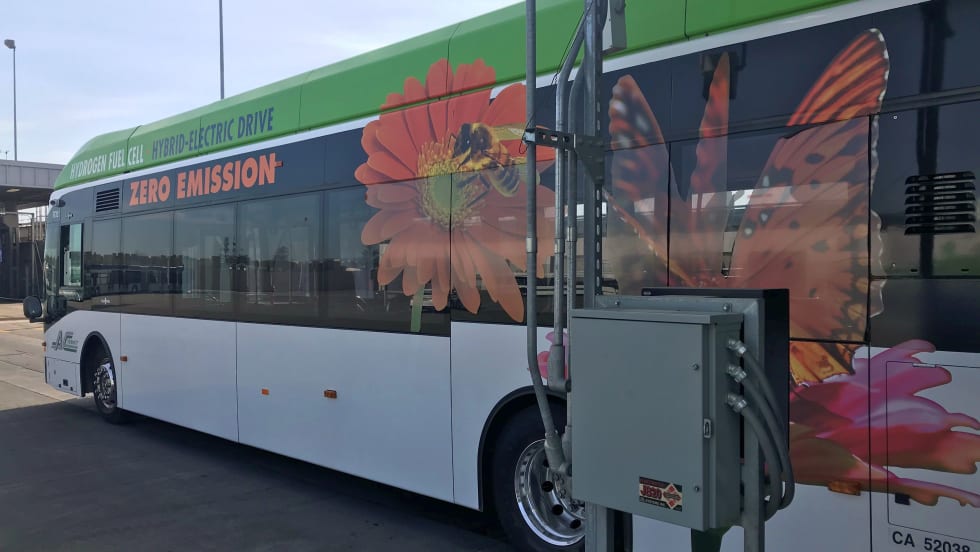
The Hidden Cost of Fuel Data Inaccuracy in Public Transit Fleets
In today's transit environment, accurate fuel and mileage data are critical to reducing costs, minimizing downtime, and improving fleet performance.
Read More →
Virginia's $28.5B Transportation Plan Targets Transit and Rail
Approved by the Commonwealth Transportation Board, the program supports ongoing infrastructure projects while providing new investments in transit, state of good repair and transportation alternatives.
Read More →
Latinos In Transit Seeks Host Organization for 2027 Leadership Summit
The selected host organization will showcase its transit system, projects, and community while welcoming hundreds of industry leaders and emerging professionals during Hispanic Heritage Month.
Read More →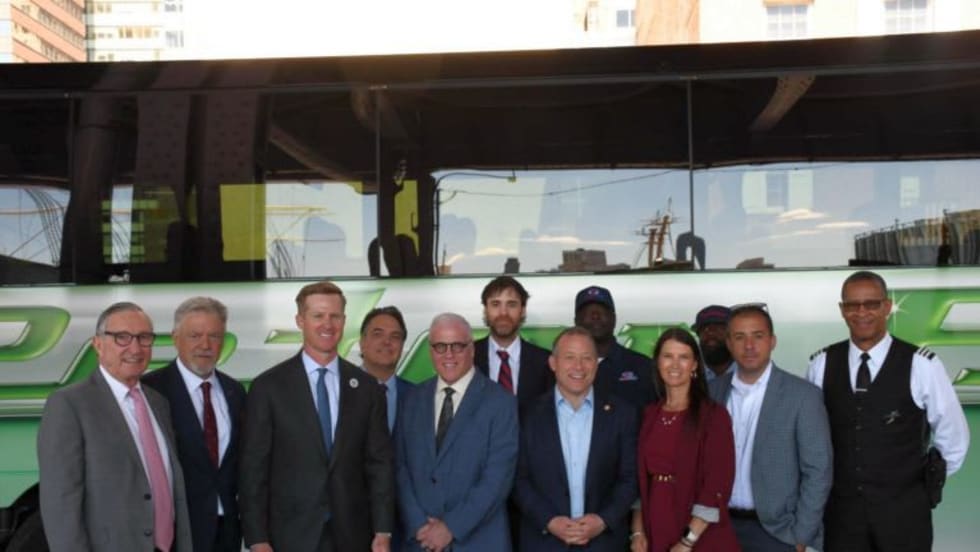
Bipartisan BUSES Act Seeks Changes to New York City's Bus Idling Enforcement Program
Backed by motorcoach operators, the legislation seeks to balance emissions goals with passenger safety by allowing limited idling for inspections, accessibility needs and extreme weather conditions.
Read More →