FlixBus, Greyhound, and the Future of Intercity Travel
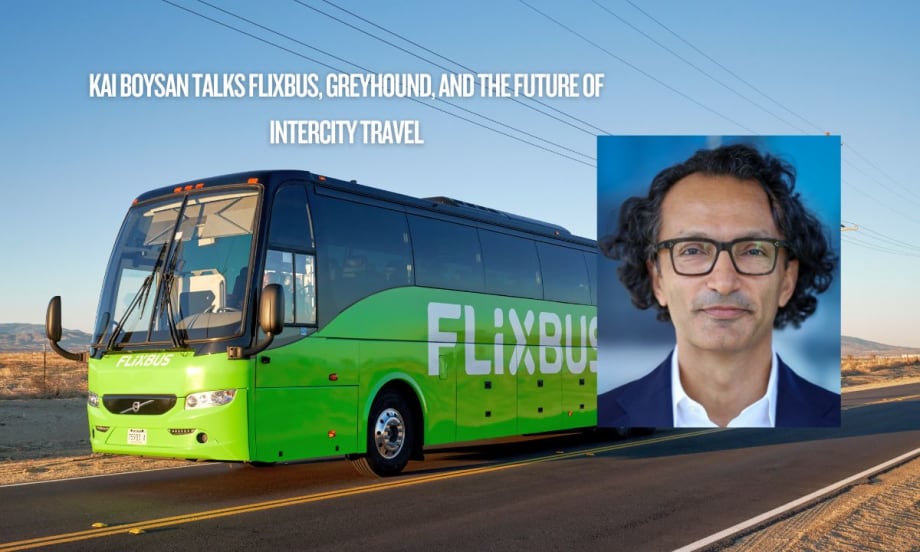
In a recent episode of METROspectives, METRO’s Executive Editor Alex Roman sat down with Kai Boysan, CEO of FlixBus North America, to discuss the company’s growth model, its integration with Greyhound, and what the future holds for intercity bus travel in the U.S. and beyond.
Kai Boysan is quick to point out that FlixBus is not a traditional bus company — it’s a technology platform.
Photo: FlixBus/METRO
5 min to read
Alex Roman interviews Kai Boysan about FlixBus North America's growth strategy and its Greyhound integration.
The discussion highlights FlixBus's plans and objectives for enhancing intercity bus travel in the United States.
Insights are shared on the evolving landscape and potential advancements for the intercity bus travel industry.
*Summarized by AI
For more than a century, intercity bus travel has been a fixture of American mobility, connecting towns large and small, carrying students to universities, workers to job opportunities, and families across state lines. But after decades of underinvestment, the sector fell out of the public eye, often overlooked in favor of airlines or passenger rail.
Today, thanks to new technology, shifting consumer preferences, and a wave of industry innovation, intercity bus lines are experiencing a comeback.
Ad Loading...
At the center of this transformation is FlixBus, the German-based travel technology company that now owns Greyhound and is working to redefine long-distance bus travel in North America.
In a recent episode of METROspectives, METRO’s Executive Editor Alex Roman sat down with Kai Boysan, CEO of FlixBus North America, to discuss the company’s growth model, its integration with Greyhound, and what the future holds for intercity bus travel in the U.S. and beyond.
The FlixBus Model: Global Scale Meets Local Expertise
Boysan is quick to point out that FlixBus is not a traditional bus company — it’s a technology platform.
“Flix is a global travel technology company, active in more than 40 countries,” he explained. “We partner with local bus operators, while we focus on the demand side, forecasting ridership, optimizing schedules, setting pricing strategies, and managing customer service. Our partners handle the supply side: employing drivers, maintaining buses, and providing onboard services. Together, it’s a win-win.”
This model allows FlixBus to combine data-driven efficiency with the local expertise of operators who know their markets best.
Ad Loading...
For bus companies, that means predictable revenue, better utilization of their fleets, and access to cutting-edge digital tools they couldn’t afford to develop independently.
The American market, Boysan acknowledged, is unique. Intercity bus travel has deep roots here, but in recent decades, the industry has lagged behind its global peers.
“The intercity bus in the U.S. hasn’t had the investment or upgrades it desperately needed,” Boysan said. “But we’re seeing a comeback. Ridership is up year over year, and estimates put annual growth around 4%, which is faster than any other ground transport.”
FlixBus sees opportunity not just in major corridors but also in underserved regions, particularly the East Coast, Midwest, and rural areas.
Boysan stressed that buses must become integral to public transportation planning, with seamless connections between intercity, local transit, and other modes.
Ad Loading...
Policy Changes and Trends Driving Change
Policy, Boysan argued, is a critical piece of the puzzle.
He pointed to two areas where improvements are needed:
Rural Bus Programs (5311(f)) – These federal funds have proven highly effective, delivering far more passenger miles per taxpayer dollar than rail, he said. Expanding and better integrating this program could dramatically improve rural-to-urban connectivity.
Access to Intermodal Hubs – By law, intercity buses are entitled to “reasonable access” to public transportation centers, but enforcement is weak. Boysen believes ensuring fair access to intermodal hubs is essential for a connected national network.
“When buses operate from exclusive, off-site terminals, passengers lose out,” Boysan explained. “They may face extra costs just to get to local transit or trains. But when we’re under one roof, like in Los Angeles, DC, Miami, or Boston, everyone benefits. It’s safer, more efficient, and it gives citizens the freedom to choose their mode of travel.”
According to Boysan, several consumer and market trends are reshaping intercity bus demand:
Ad Loading...
Generation Z’s Preferences – Younger travelers are driving less and seeking affordable, sustainable options where they can relax or work en route.
Sustainability – Passengers increasingly demand greener travel, and buses remain one of the most environmentally efficient modes of long-distance transportation.
Affordability – With inflation lingering, intercity buses are often the most budget-friendly alternative to trains or planes.
Technology – From real-time tracking to AI-driven scheduling, passengers expect, and FlixBus delivers, modern digital tools that make bus travel easier and more reliable.
The Greyhound Transformation
Perhaps the most significant milestone for FlixBus in North America was its 2021 acquisition of Greyhound, the iconic American carrier.
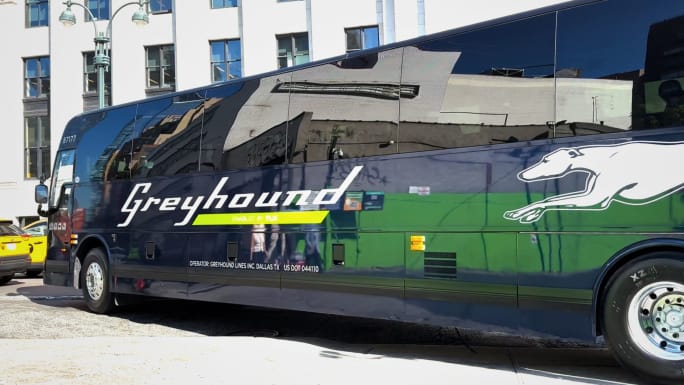
“Greyhound’s technology was outdated and in desperate need of an upgrade,” Boysan said. “We’ve since integrated Greyhound’s vast network into the Flix platform, covering over 1,600 destinations, which is the largest bus network in the country.”
The integration has yielded tangible improvements:
On-time performance above 95%.
Modern booking and customer experience tool.s
Regionalized decision-making, moving away from HQ-based operations.
Operational profitability — a turnaround for Greyhound after years of struggle
Ad Loading...
“Greyhound is now one of the strongest operators in the U.S., functioning like a major bus partner within the Flix platform,” Boysan noted.
“Greyhound is now one of the strongest operators in the U.S., functioning like a major bus partner within the Flix platform,” said Kai Boysan.
Photo: Greyhound
The Competitive Edge, Forecasting What’s Ahead
With airlines plagued by delays and cancellations, and rail capacity limited, buses are becoming increasingly competitive for trips of five to seven hours.
For many routes, they’re not only more affordable but also faster door-to-door when factoring in airport transfers and security waits.
“Buses are not just the cheapest option,” Boysan emphasized. “They’re dependable, sustainable, and increasingly time-competitive.”
Asked about the long-term vision, Boysan was clear.
Ad Loading...
“We want to be top of mind for anybody considering long-distance travel,” he said. “That’s what we achieved in Europe, and we’re on track to do the same in the U.S.”
The path forward includes expanding intercity connections, deepening partnerships with local transit, and continuing to modernize Greyhound under the Flix umbrella.
“The sea change is already here,” Boysan concluded. “Buses are back, and they’re here to stay.”
5 Ways FlixBus is Changing Intercity Travel
Partner-Driven Model: Rather than owning buses, FlixBus partners with local operators —providing technology, scheduling, and marketing while operators handle fleet and drivers.
Global Scale, Local Reach: Active in 40+ countries, FlixBus leverages international expertise while tailoring service to U.S. markets, including underserved regions.
Data & Technology First: From AI-powered demand forecasting to dynamic pricing and real-time tracking, FlixBus emphasizes digital tools to boost efficiency and rider experience.
Greyhound Integration: By merging Greyhound’s iconic network into its platform, FlixBus now serves 1,600+ U.S. destinations with upgraded tech and on-time performance above 95%.
Sustainability & Affordability: As inflation and climate concerns grow, FlixBus positions buses as the most affordable, dependable, and eco-friendly alternative to planes and trains.
This article, generated using OpenAI, was edited for accuracy and style and based on an episode of METROspectives
Quick Answers
The main focus was on FlixBus's growth model, its integration with Greyhound, and the future of intercity bus travel.
Kai Boysan is the CEO of FlixBus North America.
The integration with Greyhound is significant as it combines FlixBus's innovative platform with Greyhound's expansive network, enhancing intercity travel options.
The discussion took place on an episode of METROspectives.
The future of intercity bus travel may involve expanded networks, improved service accessibility, and advanced technological platforms to enhance customer experience.
In METRO's latest installment, we take a look at recent news from Complete Coach Works, Beep, FlixBus, and more partnerships making headlines across the transportation sector.
In METRO's latest installment, we take a look at recent news from Siemens, Prevost, Dodge, and more partnerships making headlines across the transportation sector.
In this edition, we also cover recent appointments and announcements at Pace, CamTran, MCI, and more, showcasing the individuals helping to shape the future of transportation.
In a recent episode of METROspectives, CharterUP Founder/CEO Armir Harris discussed the company’s evolution from an online charter bus marketplace into a technology platform supporting public- and private-sector mobility and much more.
In this edition, METRO also covers recent appointments and announcements at the DART, STV, and more, showcasing the individuals helping to shape the future of transportation.
Bus Business Consultants founder Brian Dickson shares lessons on leadership, organizational health, and creating options for long-term success in a changing transportation industry.
From manufacturers and suppliers to transit agencies and motorcoach operators, these updates offer a snapshot of the projects, partnerships and business moves driving the industry forward.
Preliminary findings show 98% of operators faced premium increases over the past five years, while shrinking insurer participation is putting added pressure on businesses and customers.