



Free rides mean no revenue in Moscow
Too many social welfare recipients in Moscow receiving free rides have drained the nation’s public transportation system’s revenues.

Too many social welfare recipients in Moscow receiving free rides have drained the nation’s public transportation system’s revenues. There are 64 categories of privileged passengers in Moscow, including veterans, the elderly, pensioners, handicapped and employees of the Defense and Interior ministries. The privileged groups account for 60% of all passengers nationwide and more than 75% in Moscow, reported The Moscow Times. In the last decade, the share of paying passengers has decreased from 80% to 40%, reported the paper. As a result, the number of public transportation vehicles has decreased and, without any compensation for carrying the privileged groups, transport companies cannot afford new vehicles. Last year, public transport companies spent about $1.7 billion servicing privileged passengers but received only $1 billion from local and federal budgets, reported the Times. Nonprivileged passengers must also pay 20% more to help offset the cost of servicing the privileged passengers. Since 1990, the number of public transport vehicles has fallen more than 40%, with public transport operating at only 60% capacity and fewer areas being serviced. Of the vehicles currently in service, half should have been already decommissioned for being unsafe, reported the Times. The state budget allocated for the purchase of 4,800 new buses, 686 trolleybuses and 83 trams. The minimum number of vehicles actually needed is 13,500 buses, 1,200 trolleybuses and 600 new trams per year, reported the Times. The Labor and Social Development, Transportation and Railways ministries are working on a federal law to address compensation for transporting privileged passengers.
More Management
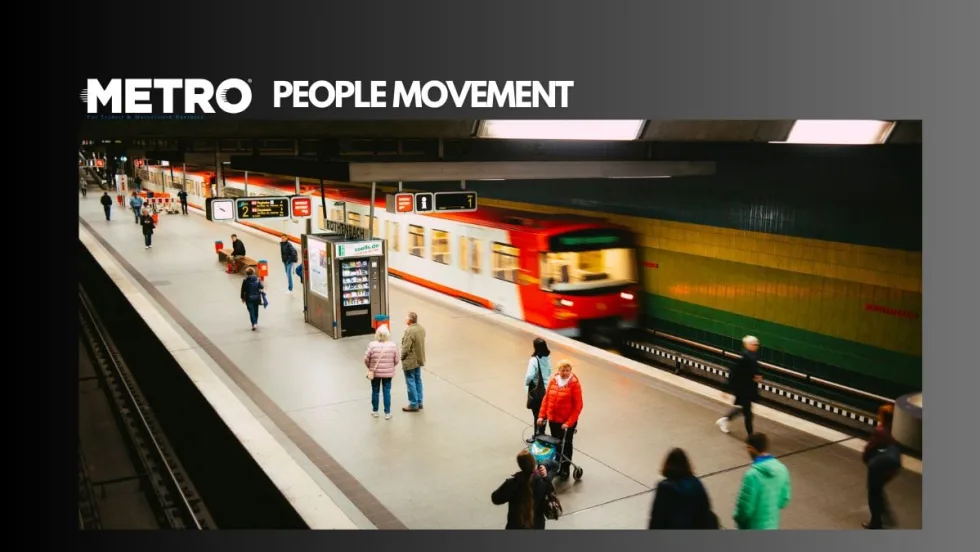
People Movement: Connectpoint Expands Leadership Team, Stadler Names New Group CEO, and More
In this edition, we also spotlight recent personnel moves at Burns, UZURV, and more, highlighting the people taking on new roles across the transportation industry.
Read More →
More Than a Summer Job: Building the Next Generation of Transit Talent
The Delaware River Port Authority and PATCO have transformed their internship program into a hands-on professional development experience that introduces students to the breadth of transportation careers — and creates a pipeline for future employees.
Read More →
LA Metro Board Awards 220 Battery-Electric Bus Contract to ENC
The contract, which is the largest base award of battery-electric buses by a U.S. transit agency, will be built in Southern California, sustaining good jobs as LA prepares to welcome the world in 2028
Read More →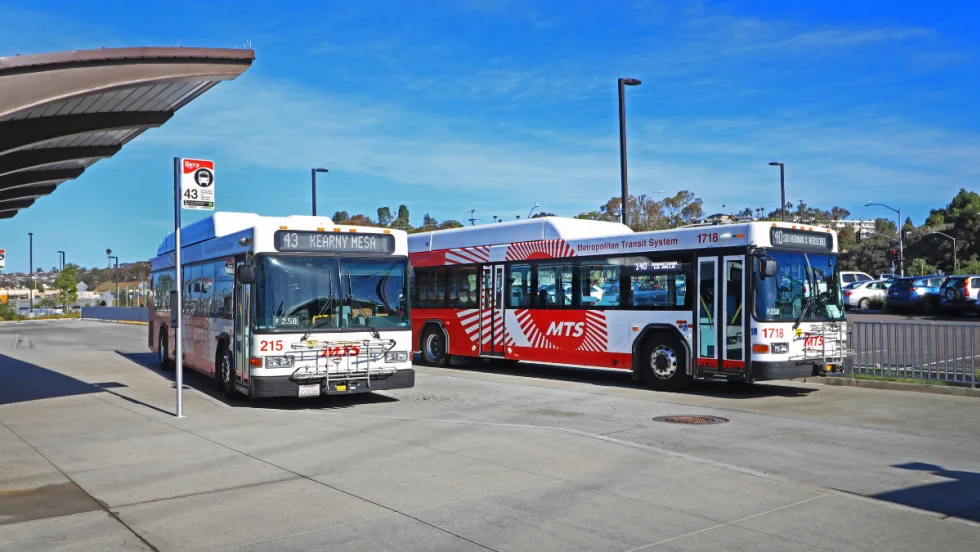
What’s Behind San Diego MTS’s Award-Winning Transit Strategy
Named one of APTA’s 2026 Outstanding Public Transportation Systems with 50 million or more annual passenger trips, California’s San Diego Metropolitan Transit System points to gains in ridership, safety, technology, and reliability as foundations of its success.
Read More →
Public Transit Conference Returning to GFX in 2027, Call for Papers Now Open
The Call for Papers is now open, allowing transit agency professionals and industry experts to help shape the PTC educational program by submitting session ideas for consideration.
Read More →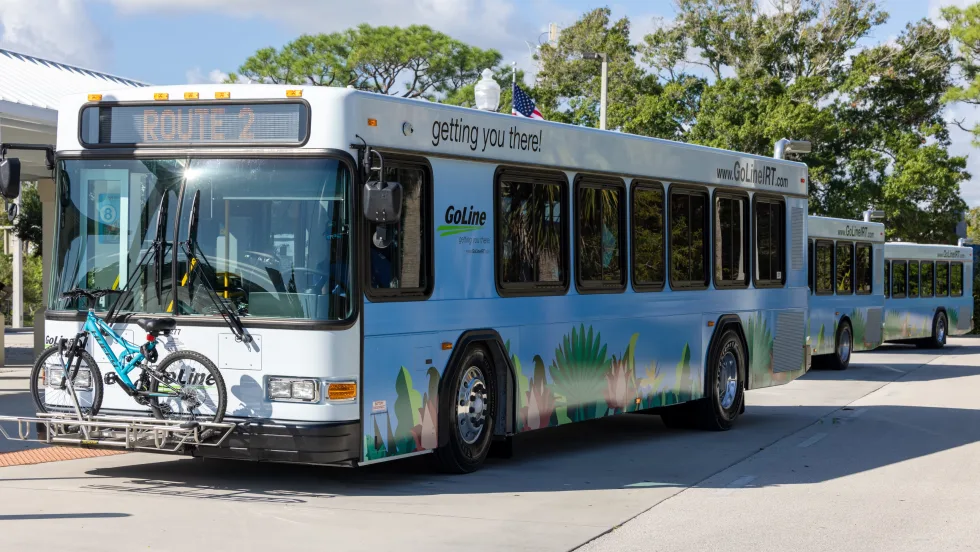
Indian River Transit’s Community-Focused Approach Earns National Recognition
Named APTA’s 2026 Outstanding Public Transportation System in its size category, Florida’s Indian River County transit system continues to grow ridership through fare-free service and a focus on evolving community needs.
Read More →
ENC Lands MATA Contract and More in Biz Briefs
In this edition of Biz Briefs, we spotlight the latest developments shaping the future of mobility.
Read More →
From Surviving to Thriving: Building Stronger Transportation Organizations
Bus Business Consultants founder Brian Dickson shares lessons on leadership, organizational health, and creating options for long-term success in a changing transportation industry.
Read More →
Everett Transit, Community Transit Outline Consolidation Agreement
The proposed agreement calls for a 50% increase in bus service in Everett, a new microtransit zone, continued paratransit service, and the transfer of Everett Transit operations to Community Transit.
Read More →
Strada360’s Steve Lassey on Turning Transit Data Into Better Decisions
From breaking down data silos to preparing for AI, Strada360 CEO Steve Lassey discusses how transit agencies can use technology to improve operations, customer information, and long-term decision-making.
Read More →