




More: USDOT Invests $1.1B to Enhance Safety Infrastructure at Railroad Crossings
USDOT Reboots Key Bridge Contract, Expands Infrastructure Funding Nationwide
Maryland to rebid major bridge contract as the Build America Bureau commits $20 million to accelerate project planning and public-private partnerships across 17 states.
April 30, 2026
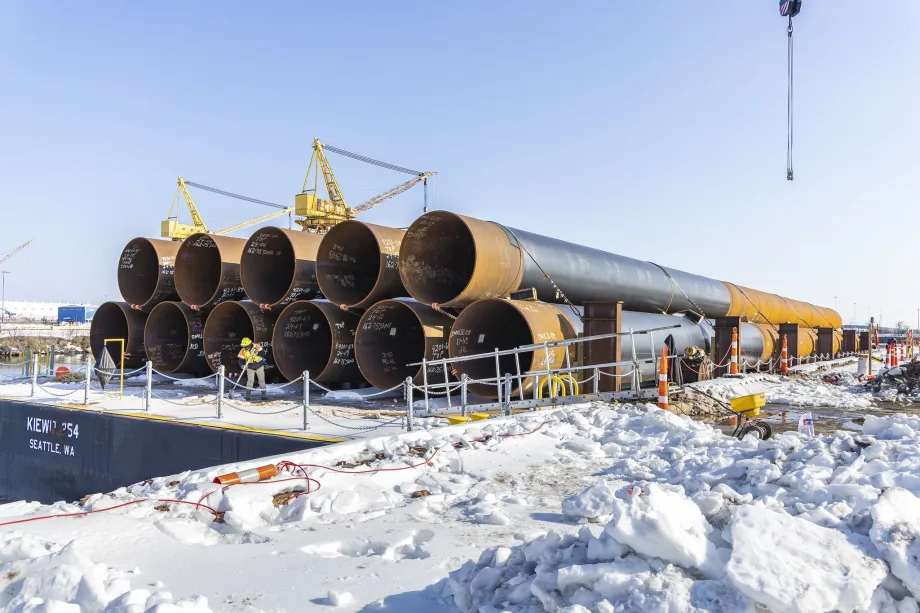
A snowy construction staging area of the Francis Scott Key Bridge rebuild in Maryland on February 3, 2026.
Credit:
Maryland Transportation Authority
2 min to read
The U.S. Department of Transportation (USDOT) recently announced updates on the Francis Scott Key Bridge rebuild in Maryland and new investments to support infrastructure development projects nationwide.
USDOT confirmed that the State of Maryland will seek new construction partners for Phase 2 of the Francis Scott Key Bridge project following a decision to rebid that portion of the contract. The move comes after project cost estimates increased from $1.8 billion to more than $5 billion, prompting additional review of the budget and timeline.
USDOT officials have been engaged with Maryland leaders on the project, including meetings with Governor Wes Moore in late 2025 and early 2026. These discussions resulted in an agreement to accelerate reconstruction efforts and continue work on cost-sharing for the bridge replacement.
In a separate announcement, USDOT’s Build America Bureau is investing $20 million through the Regional Infrastructure Accelerators (RIA) Program to support 20 infrastructure projects across 17 states. The funding is intended to help projects advance through planning and financing stages, including the use of public-private partnerships.
“USDOT is leveraging strong public-private partnerships to help communities upgrade their infrastructure quickly and safely,” said Secretary Sean P. Duffy.
Projects receiving funding include $1.15 million for the New Orleans International Airport to improve connections between the airport and passenger rail lines, and $1.15 million for the City of Winslow, Arizona, to support planning and engineering for its I-40 TradePort hub.
“Strengthening capacity and collaboration at all levels to explore and deliver innovative approaches such as public-private partnerships is essential to addressing America’s infrastructure challenges,” said Build America Bureau Executive Director Morteza Farajian, Ph.D. “The RIA program helps communities navigate complex development challenges. By providing hands-on technical assistance, the program enables project sponsors to deliver projects faster and at a lower cost for the American taxpayer.”
Since its establishment in 2015, the RIA program has invested $54 million in 35 accelerators nationwide.
More Management
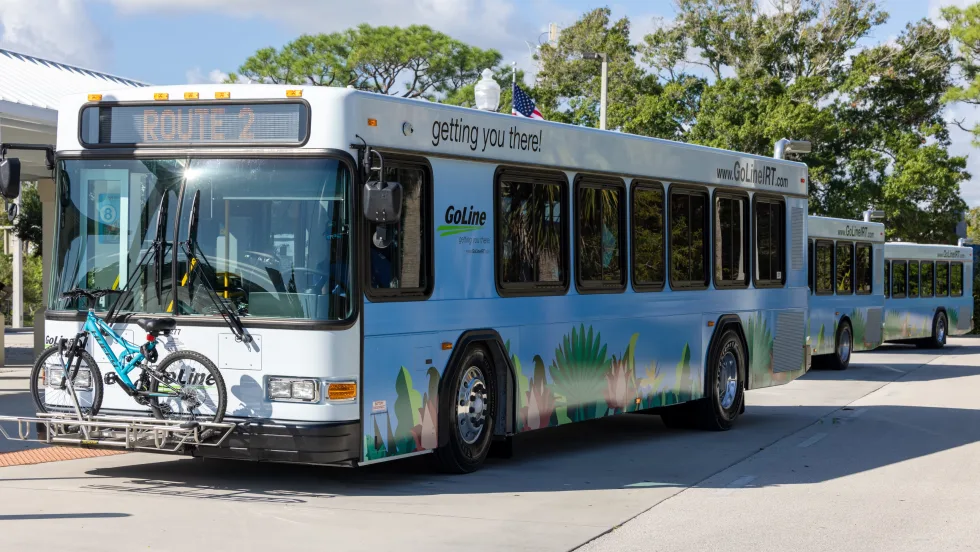
Indian River Transit’s Community-Focused Approach Earns National Recognition
Named APTA’s 2026 Outstanding Public Transportation System in its size category, Florida’s Indian River County transit system continues to grow ridership through fare-free service and a focus on evolving community needs.
Read More →
ENC Lands MATA Contract and More in Biz Briefs
In this edition of Biz Briefs, we spotlight the latest developments shaping the future of mobility.
Read More →
From Surviving to Thriving: Building Stronger Transportation Organizations
Bus Business Consultants founder Brian Dickson shares lessons on leadership, organizational health, and creating options for long-term success in a changing transportation industry.
Read More →

Everett Transit, Community Transit Outline Consolidation Agreement
The proposed agreement calls for a 50% increase in bus service in Everett, a new microtransit zone, continued paratransit service, and the transfer of Everett Transit operations to Community Transit.
Read More →
Strada360’s Steve Lassey on Turning Transit Data Into Better Decisions
From breaking down data silos to preparing for AI, Strada360 CEO Steve Lassey discusses how transit agencies can use technology to improve operations, customer information, and long-term decision-making.
Read More →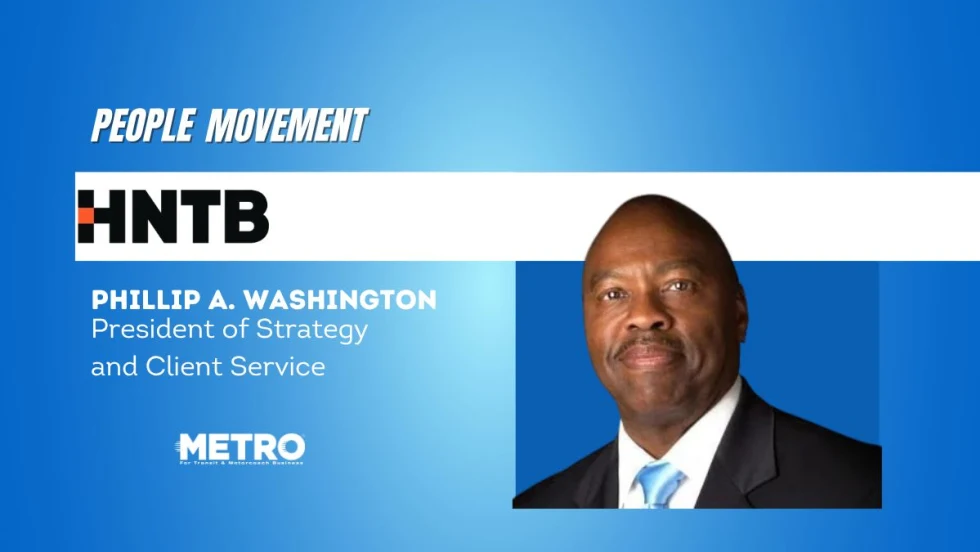
People Movement: Phil Washington Joins HNTB, Denver RTD Launches CEO Search, and More
In this edition, we also spotlight recent personnel moves at STV, the Eno Center for Transportation, and more, highlighting the people taking on new roles across the transportation industry.
Read More →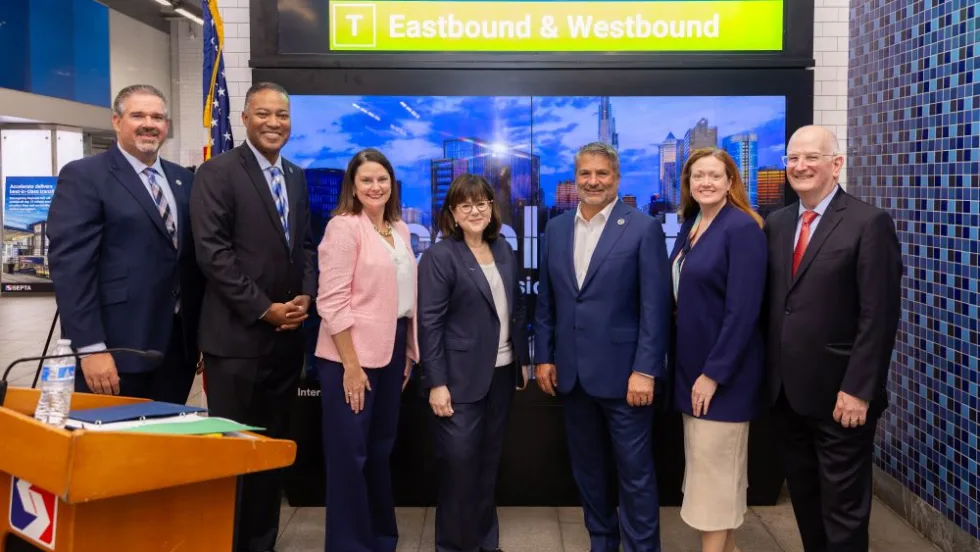
SEPTA Details Accelerate Vision for Transit System
The plan outlines investments in trolley modernization, new Metro and Regional Rail vehicles, accessible stations, and more frequent bus and rail service.
Read More →
FTA Ends Direct Oversight of MBTA Safety Actions
The federal agency closed its remaining special directive to the Massachusetts Department of Public Utilities following a safety review that began in 2022.
Read More →
Report: Transit Bus Manufacturing Supports 34,100 Jobs, $5.1B in GDP
The “Buses Mean Business” report examines the transit bus manufacturing industry’s economic footprint, supply chain, and rising demand for vehicle replacements.
Read More →
LIT Marks 10-Year Milestone at Annual Summit
Hosted by the COTA from September 10 to 13, the Summit carried the theme “Celebrating 10 Years of Excellence, Leadership, and Impact,” with every part of the program honoring the people, agencies, and partners who built LIT over its first decade.
Read More →