



General Manager Survey: Majority Faced with Budget Shortfalls, Escalating Costs
Raising fares and cutting service were top ways transit systems were handling the problem. The average transit executive salary totals $119,000, while the average time spent in the industry was 24 years.

©iStockphoto.com/picha

©iStockphoto.com/picha
Two out of three transit executives responding to METRO's sixth annual General Manager Survey reported their system is facing a budget shortage. While raising fares (66 percent) and cutting service (60 percent) were the top two choices for dealing with these shortages, eliminating positions (51 percent) and delaying projects (47 percent) and vehicle purchases (33 percent) were in close company. Nearly all survey respondents said escalating costs for health care and fuel have pushed them to find solutions. Some implemented wage freezes, fuel surcharges/hedging, tapping reserve funds, cutting benefits and switching insurance. Advertising was the top choice for generating more revenue, with 77 percent.
Four out of five respondents were male (82 percent), while average number of years a respondent worked in the transit industry was 24. The longest tenure was more than 40 years and the shortest reported was five years of service.
Looking at titles, the majority fell under the GM category (34 percent), while executive director was the next highest with 17 percent reporting.
The average annual salary was $119,000, with a median salary of $103,000. The highest salary reported totaled more than $300,000 and the lowest was under $35,000.
Although 65 percent of survey respondents said ridership was up this year, three out of four executives do not ride their systems to work.
Nearly three out of four executives applied for discretionary grants, which they intend to put toward a variety of items, including vehicle purchases, transit center construction and solar panel installation. When asked which technologies they were looking into for their systems, a majority of respondents cited real-time arrival info systems, with video surveillance and automatic vehicle location systems tabbed as the second-most popular choices.
Looking beyond the obvious funding challenge, 26 percent of respondents reported ridership as their greatest challenge, while finding qualified staff (19 percent), keeping up with emerging technology (19 percent) and succession planning (11 percent) were other hurdles cited by transit executives.
To view charts, graphs and more, click here.
More Bus

Everett Transit, Community Transit Outline Consolidation Agreement
The proposed agreement calls for a 50% increase in bus service in Everett, a new microtransit zone, continued paratransit service, and the transfer of Everett Transit operations to Community Transit.
Read More →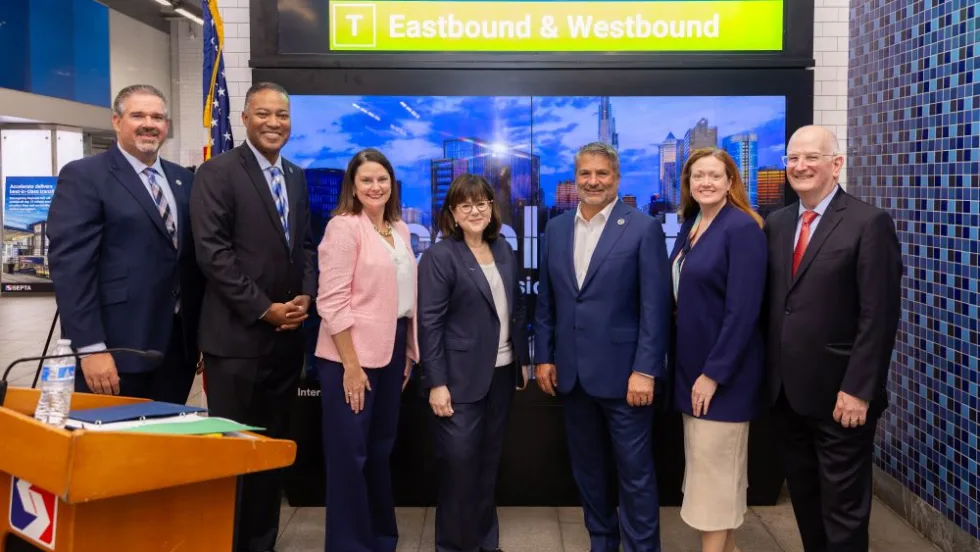
SEPTA Details Accelerate Vision for Transit System
The plan outlines investments in trolley modernization, new Metro and Regional Rail vehicles, accessible stations, and more frequent bus and rail service.
Read More →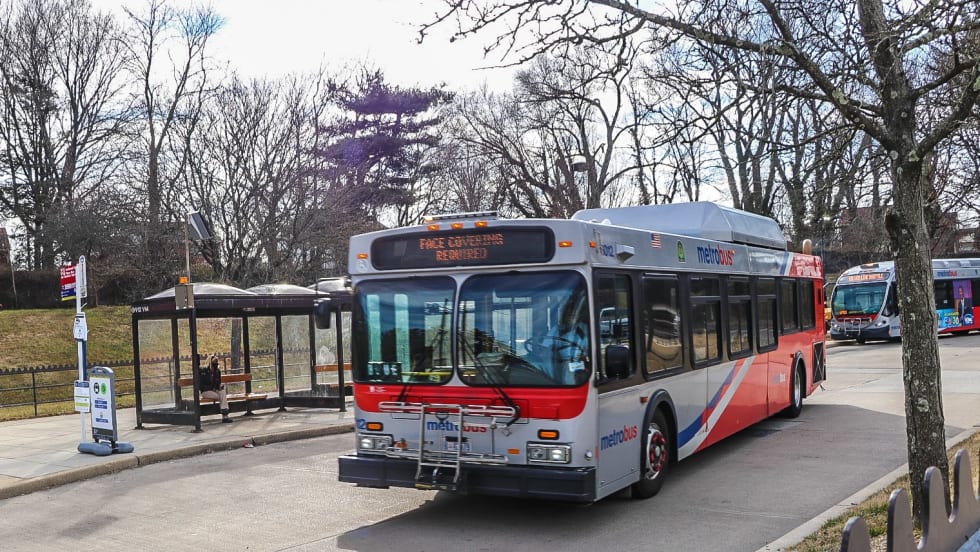
Report: Transit Bus Manufacturing Supports 34,100 Jobs, $5.1B in GDP
The “Buses Mean Business” report examines the transit bus manufacturing industry’s economic footprint, supply chain, and rising demand for vehicle replacements.
Read More →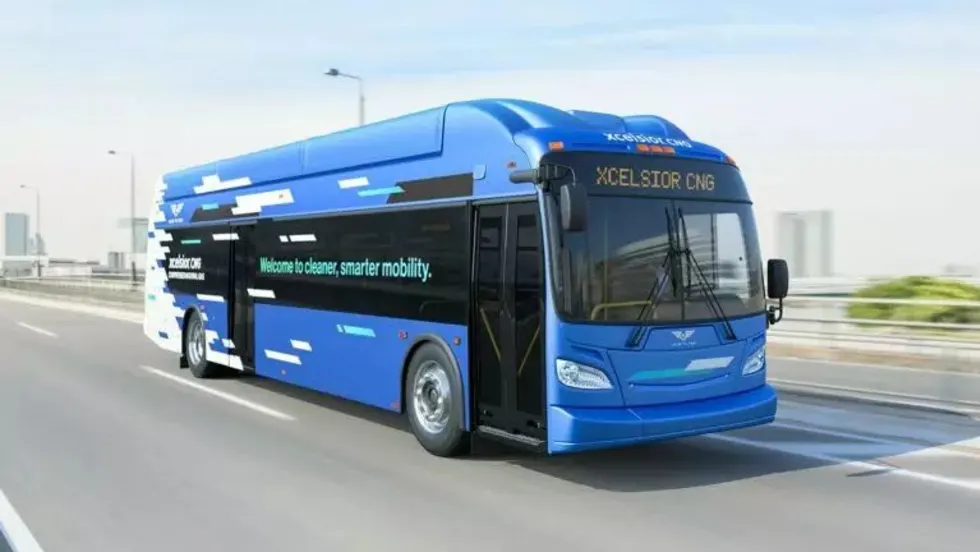
Biz Briefs: New Flyer Delivers in Columbus, Houston, Beep and Freebee Merge, and More
In this edition of Biz Briefs, we spotlight the latest developments shaping the future of mobility.
Read More →
People Movement: Dan Dipert Coaches Adds Third-Generation Leader, Keolis Names New Valley Metro VP/GM, and More
In this edition, we also cover recent appointments and announcements at the Wabtec, SilverRide, HNTB, and more, showcasing the individuals helping to shape the future of transportation.
Read More →
New York MTA Plans Largest Bus Fleet Upgrade in More Than a Decade
The agency is seeking manufacturers for 650 new CNG buses to replace aging vehicles, improve reliability, and advance its broader fleet modernization strategy.
Read More →
Building a Flexible Path to Transit Electrification
John Hroncich discusses BAE Systems’ modular and scalable approach, lessons learned from decades of real-world operations, and how agencies can identify electrification strategies that fit their fleets.
Read More →
Bus Tech Talk: Keeping Transit Technicians Ahead of the Technology Curve
LA Metro’s Obed Mejia discusses technician training, evolving maintenance technology, fleet replacement, and strategies for getting the most out of today’s transit fleets.
Read More →
Biz Briefs: RIPTA Unveils New Frontrunners, Clevland RTA Adds New Siemens, and More
In METRO's latest installment, we take a look at recent news from Siemens, Prevost, Dodge, and more partnerships making headlines across the transportation sector.
Read More →
People Movement: Holly Arnold Joins Transdev and More
In this edition, we also cover recent appointments and announcements at Pace, CamTran, MCI, and more, showcasing the individuals helping to shape the future of transportation.
Read More →