



Inez Evans Benson on Rethinking Transit Through Customer Experience
The WSP leader discusses why agencies must look beyond satisfaction metrics and take a more holistic, community-driven approach to service.

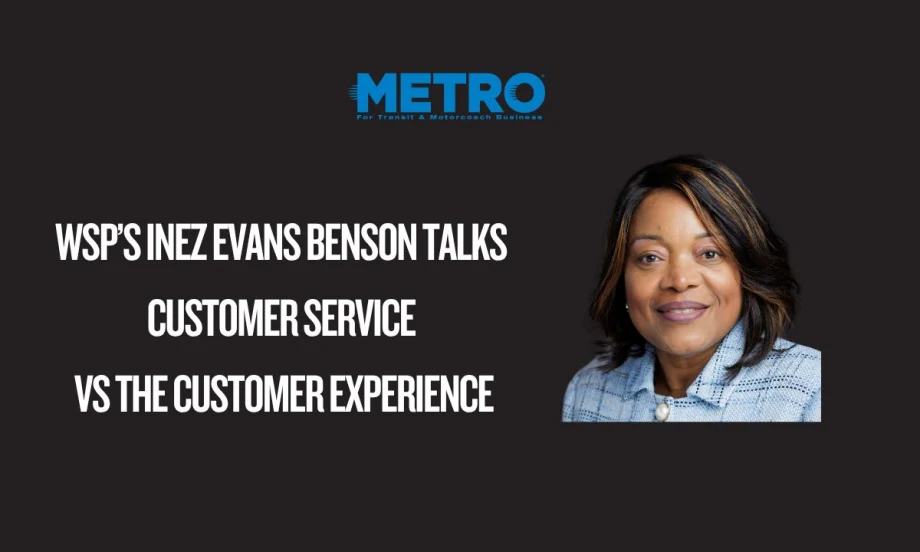
Inez Evans Benson emphasized that there is no universal solution that will work for every community, cautioning agencies against adopting ideas without first engaging their own riders.
WSP/METRO
- Inez Evans Benson emphasizes the importance of moving beyond traditional satisfaction metrics in public transit.
- She advocates for a holistic approach that integrates community engagement in transit planning.
- The focus is on creating a customer experience that addresses broader community needs and expectations.
*Summarized by AI
In a recent episode of METROspectives, Inez Evans Benson, senior VP and deputy transit and rail market leader at WSP, joined METRO Magazine Executive Editor Alex Roman to discuss how transit agencies can better understand and serve their riders.
Drawing on a career that includes leadership roles at IndyGo, California’s Santa Clara Valley Transportation Authority, and Cincinnati Metro, Evans Benson shared insights shaped by years of experience developing major projects and leading organizations through periods of transformation.
Today, she said, her role at WSP allows her to “parlay all of those years of experience into actionable insights for transit agencies.”
Customer Satisfaction vs Customer Experience
A key focus of the conversation was the distinction between customer satisfaction and customer experience. These two concepts are often treated as interchangeable, but represent very different ways of evaluating transit service.
“Customer satisfaction typically refers to how riders rate specific aspects of the service — punctuality, cleanliness, safety,” Evans Benson explained. “But it’s just part of the story.” Customer experience, by contrast, “is so much broader,” encompassing the entire journey from trip planning to interactions with staff and the handling of disruptions, added Evans Benson.
As she noted, “A rider may be satisfied with an individual trip yet still have a poor overall experience if the system is confusing, unreliable, or even stressful.”
That broader perspective becomes especially important when considering the diversity of transit riders and their varying needs.
Evans Benson emphasized that there is no universal solution that will work for every community, cautioning agencies against adopting ideas without first engaging their own riders.
“We come back from conferences excited, thinking we’ve found the golden ticket,” she said. “But did you talk to your community to see what they want?”
Different groups prioritize different elements of service, and “everybody’s going to have or want something different,” she added, whether it’s space for strollers, accessibility features, or a faster commute. Because of this, she encouraged agencies to move beyond traditional surveys and focus on direct engagement.
“It’s better to do customer interviews…having that conversation,” she said, noting that outreach should reflect the full diversity of the community.
Balancing those needs can be challenging, particularly as agencies work within limited resources and competing priorities.
“Satisfying everyone is a tall order,” Evans Benson acknowledged, but she noted that meaningful engagement can help agencies identify common priorities and make more informed decisions. Rather than trying to meet every request, agencies should focus on understanding what will have the greatest impact.
“What will it take to get you to ride transit?” she said, pointing to the importance of engaging both existing riders and potential users. Consultants such as WSP, she added, often support agencies in facilitating those conversations and translating feedback into actionable strategies.
Tools to Enhance the Customer Experience
The discussion also highlighted the range of approaches agencies are using to enhance the customer experience, from infrastructure improvements to technology and human-centered strategies.
Evans Benson pointed to innovations like beacon sensors that help visually impaired riders navigate systems, as well as mobile payments, real-time information, and onboard connectivity. Some agencies are also experimenting with rewards and gamification programs to encourage engagement.
At the same time, she emphasized that smaller, low-cost efforts can be just as impactful. “How can you even put a price tag on a smile?” she said, pointing to the role of operators and frontline employees in shaping the rider experience. Improvements to lighting, safety perception, and even ambient elements like music can also influence how riders feel about the system.
The pandemic further reshaped how agencies think about customer experience and their role within the community. While ridership has traditionally been a primary measure of success, shifting travel patterns and increased competition from rideshare services prompted agencies to reconsider what riders value most.
“Frequency was probably the number one thing that people were looking for,” Evans Benson said, along with access to technology and reliable information.
During the pandemic, transit systems became critical lifelines, with some agencies even using buses as mobile internet hubs. These experiences reinforced the idea that transit agencies are “thinking broader than just the routes that they’re serving,” she said, and instead focusing on how they can support the community as an integrated partner.
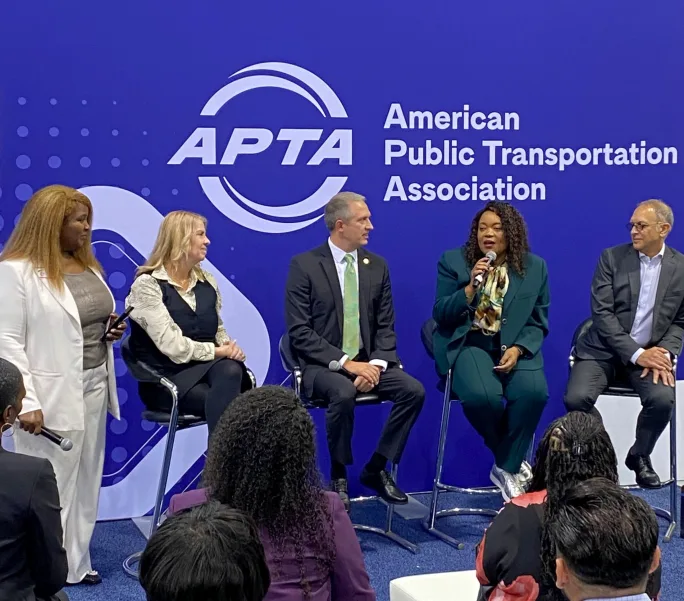
Drawing on a career that includes leadership roles at IndyGo, California’s Santa Clara Valley Transportation Authority, and Cincinnati Metro, Inez Evans Benson shared insights shaped by years of experience developing major projects and leading organizations through periods of transformation.
WSP
Listening is Key
For agencies looking to improve, Evans Benson stressed that the starting point is simple: listen.
“You cannot do this without talking to your community,” she said. That means going beyond boardrooms and engaging directly with riders where they are.
Evans Benson pointed to an example from her time at IndyGo, where feedback led to redesigned bus seating that better accommodated grocery carts and strollers. “It’s really drilling down and understanding what resonates,” she said.
Ultimately, improving customer experience requires consistency, transparency, and a sustained commitment to riders.
“It’s about providing that consistent level of care and concern,” Evans-Benson said, “and making sure the community’s voice is always part of the process.”
This article, generated using OpenAI, was edited for accuracy and style and based on an episode of METROspectives
Quick Answers
Inez Evans Benson is a leader at WSP, focusing on innovative perspectives in public transit and customer experience.
*Summarized by AI
More Management
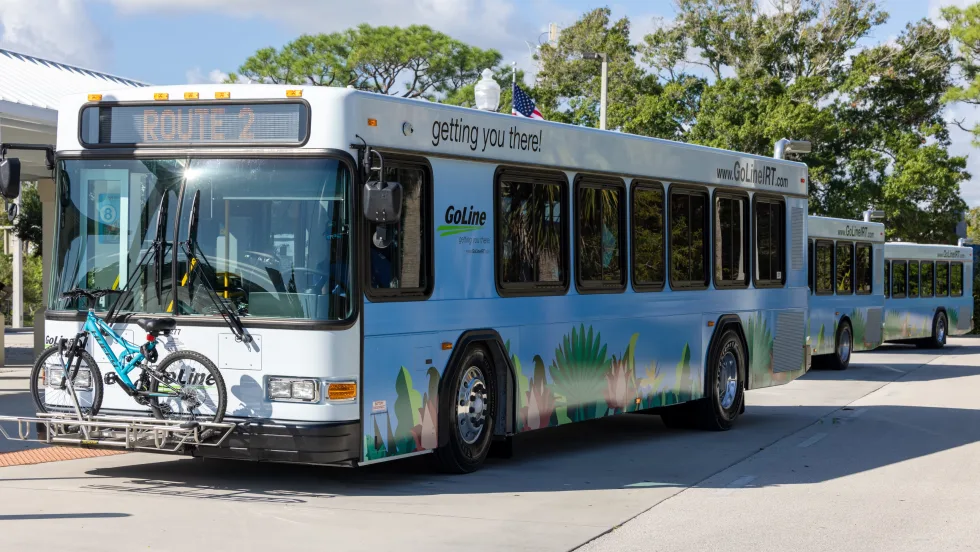
Indian River Transit’s Community-Focused Approach Earns National Recognition
Named APTA’s 2026 Outstanding Public Transportation System in its size category, Florida’s Indian River County transit system continues to grow ridership through fare-free service and a focus on evolving community needs.
Read More →
ENC Lands MATA Contract and More in Biz Briefs
In this edition of Biz Briefs, we spotlight the latest developments shaping the future of mobility.
Read More →
From Surviving to Thriving: Building Stronger Transportation Organizations
Bus Business Consultants founder Brian Dickson shares lessons on leadership, organizational health, and creating options for long-term success in a changing transportation industry.
Read More →

Everett Transit, Community Transit Outline Consolidation Agreement
The proposed agreement calls for a 50% increase in bus service in Everett, a new microtransit zone, continued paratransit service, and the transfer of Everett Transit operations to Community Transit.
Read More →
Strada360’s Steve Lassey on Turning Transit Data Into Better Decisions
From breaking down data silos to preparing for AI, Strada360 CEO Steve Lassey discusses how transit agencies can use technology to improve operations, customer information, and long-term decision-making.
Read More →
People Movement: Phil Washington Joins HNTB, Denver RTD Launches CEO Search, and More
In this edition, we also spotlight recent personnel moves at STV, the Eno Center for Transportation, and more, highlighting the people taking on new roles across the transportation industry.
Read More →
SEPTA Details Accelerate Vision for Transit System
The plan outlines investments in trolley modernization, new Metro and Regional Rail vehicles, accessible stations, and more frequent bus and rail service.
Read More →
FTA Ends Direct Oversight of MBTA Safety Actions
The federal agency closed its remaining special directive to the Massachusetts Department of Public Utilities following a safety review that began in 2022.
Read More →
Report: Transit Bus Manufacturing Supports 34,100 Jobs, $5.1B in GDP
The “Buses Mean Business” report examines the transit bus manufacturing industry’s economic footprint, supply chain, and rising demand for vehicle replacements.
Read More →
LIT Marks 10-Year Milestone at Annual Summit
Hosted by the COTA from September 10 to 13, the Summit carried the theme “Celebrating 10 Years of Excellence, Leadership, and Impact,” with every part of the program honoring the people, agencies, and partners who built LIT over its first decade.
Read More →